Multi-Channel Social Media Marketing: The Ultimate Guide for 2025
TL;DR
In today’s ever-evolving digital market, achieving success in multi‑channel social media marketing is essential for businesses that want to connect with their target audience across multiple platforms.
In today’s ever-evolving digital market, achieving success in multi‑channel social media marketing is essential for businesses that want to connect with their target audience across multiple platforms. By using various social media channels from Facebook and Instagram to LinkedIn and TikTok you can create a unified brand presence, drive meaningful engagement and ultimately boost conversions. In this comprehensive guide, we’ll walk you through the fundamentals, strategies, best practices and tools you need to master multi‑channel social media marketing.
Introduction
As digital marketing channels multiply and customer behavior becomes more diverse, a single‑channel approach no longer suffices. Today’s consumers expect to interact with brands wherever they are, be it on Instagram, Twitter, YouTube or emerging platforms like TikTok. This reality makes multi‑channel social media marketing not just a luxury but a necessity for staying competitive. In this guide, we’ll explore how you can craft a comprehensive, effective strategy that reaches your audience through the right channels with the right message.
Understanding Multi‑Channel Social Media Marketing
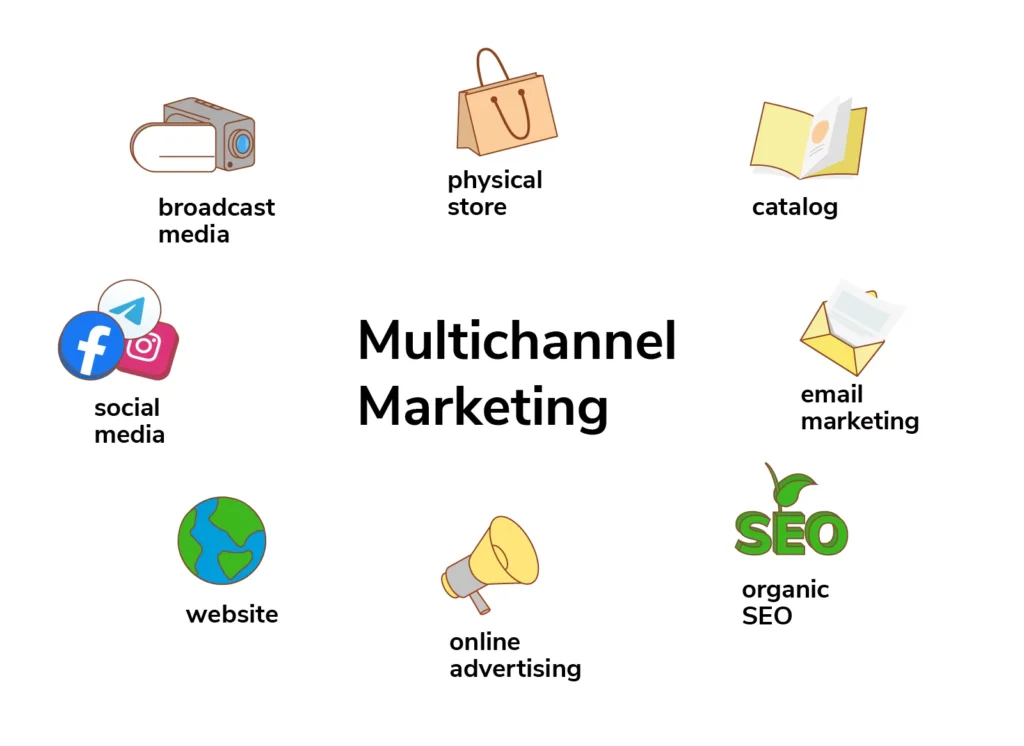
Multi‑channel social media marketing involves using several digital channels to engage with your audience. Unlike a one‑dimensional approach, this strategy ensures that your brand message is consistent yet adapted to the nuances of each platform. By doing so, you create a smooth customer journey where prospects discover, research and ultimately convert via the medium that best suits their needs.
Key components include:
–Consistent Messaging: Tailor your voice to each platform while keeping a unified brand identity.
–Diverse Content Formats: From short‑form videos on TikTok to in‑depth articles on LinkedIn, use the format that resonates most with your audience.
–Integrated Analytics: Monitor performance across channels to refine your approach.
Why It’s Essential for Modern Brands
In an era where customers interact with brands on multiple devices and platforms, adopting multi‑channel social media marketing is crucial. Here’s why:
–Increased Reach: Engage potential customers where they are whether they’re browsing Facebook, watching YouTube or scrolling through Instagram.
–Enhanced Engagement: A multi‑channel approach improves your chances of capturing attention and driving interactions by delivering specific content.
–Stronger Brand Presence: Consistent communication across channels reinforces your brand identity and builds trust.
–Improved Conversion Rates: When your audience encounters your message repeatedly on different platforms, they’re more likely to take action.
Developing Your Multi‑Channel Social Media Marketing Strategy
Crafting an effective multi‑channel social media marketing strategy involves several key steps:
1. Define Your Audience
Understand who your customers are by analyzing demographics, interests, and online behaviors. Use tools like Google Analytics and social media insights to gather this data. A clear audience profile will inform which channels to focus on and how to tailor your messaging.
2. Choose the Right Channels
Not every platform will work for your brand. Research where your target audience spends their time:
–Facebook & Instagram: Ideal for visually‑rich content and community engagement.
–LinkedIn: Best for B2B connections and professional insights.
–TikTok & YouTube: Perfect for short‑form and long‑form video content that entertains and educates.
3. Create Specific Content
Avoid simply cross-posting the same content across platforms. Instead, adapt your message to each platform’s strengths:
–Facebook: Blend long‑form posts with engaging images and videos.
–Instagram: Focus on high‑quality visuals, stories and reels.
–Twitter (X): Keep it concise with real‑time updates.
–LinkedIn: Share industry insights, articles and professional updates.
–YouTube & TikTok: Develop video content that informs, entertains and inspires.
4. Use Scheduling & Analytics Tools
Utilize content calendars and scheduling tools (such as Hootsuite, Buffer or Sprout Social) to plan and automate posts. Simultaneously, monitor your performance with analytics tools to optimize your strategy in real time.
Best Practices and Tips for Social Media Marketing
Successful multi‑channel social media marketing doesn’t happen by accident. Here are some proven tips:
–Tailor Your Content: Customize your content for each platform rather than using a one‑size‑fits‑all approach.
–Maintain Consistency: Ensure that your brand voice and core messaging remain consistent across all channels.
–Engage Actively: Respond to comments, messages and interactions to build a loyal community.
–Monitor Trends: Stay updated with platform-specific trends and algorithm changes to adjust your strategy.
–Test and Learn: Continuously experiment with posting times, content types and ad formats to find what works best for your audience.
–Utilize Data: Use analytics tools to track performance, measure ROI and refine your strategy over time.
Tools and Technology to Enhance Your Strategy in Social Media Marketing
Implementing a reliable multi‑channel social media marketing campaign is easier when you use the right tools:
–Scheduling Tools: Buffer, Hootsuite, Sprout Social.
–Analytics Platforms: Google Analytics, Facebook Insights, SEMrush.
–Content Creation Software: Canva, Adobe Creative Suite, Final Cut Pro.
–Social Listening Tools: Mention, Brandwatch, Hootsuite Insights.
These tools help streamline your process from planning to execution to measurement ensuring that you can manage multiple channels effectively.
Measuring Success: Analytics & KPIs
To gauge the effectiveness of your multi‑channel social media marketing strategy, establish key performance indicators (KPIs) such as:
–Engagement Rate: Likes, shares, comments and overall interaction.
–Reach and Impressions: The total number of people who see your posts.
–Conversion Rates: The percentage of users who take desired actions (e.g., sign-ups, purchases).
–Traffic Metrics: Website visits and referral traffic from social platforms.
–Return on Investment (ROI): Overall campaign effectiveness measured by revenue growth relative to marketing spend.
Regularly review these metrics and adjust your strategy accordingly to ensure continuous improvement.
Conclusion
Mastering multi‑channel social media marketing is key to thriving in today’s competitive digital environment. By understanding the fundamentals, developing a specific strategy, utilizing the right tools and continuously optimizing your efforts, you can effectively engage your audience across multiple platforms and drive business growth.
Remember, the goal is to deliver consistent, high‑quality content that resonates with your audience while using data and keyword optimization to boost your search engine ranking. Whether you’re a small business or a large enterprise, this comprehensive guide to multi‑channel social media marketing will help you connect with customers, build brand loyalty and achieve measurable success.
At Balistro, we specialize in helping businesses grow through effective digital marketing strategies. From Google Ads to Meta Ads, we deliver data-driven campaigns that maximize your ROI and drive real results. If you’re looking to boost your online presence, generate leads, or scale your e-commerce business, our expert team is here to help. Contact us today to learn more about how we can support your advertising needs!
Ready to Grow Your Business?
Book a free 30-minute strategy call with Balistro. We’ll audit your marketing and show you exactly where your biggest growth opportunities are.
Why Social Media Marketing Is Essential for Brand Visibility
Social media platforms collectively reach over 500 million users in India, making them the largest audience pool for brand discovery and engagement. For D2C brands, social media is often the first touchpoint in the customer journey — where potential customers discover products through content, ads, influencer recommendations, and peer reviews.
The shift toward short-form video content on platforms like Instagram Reels, YouTube Shorts, and LinkedIn has created new opportunities for brands to reach audiences organically. Video content generates 1200% more shares than text and image content combined (Source: WordStream), making it the most powerful format for building brand awareness and engagement.
Beyond brand building, social media platforms have evolved into sophisticated advertising ecosystems. Meta’s advanced targeting capabilities, LinkedIn’s professional audience data, and YouTube’s intent-based targeting allow brands to reach precisely the right audience at every stage of the buyer journey. Brands that master both organic and paid social media create a powerful growth flywheel.
Building an Effective Social Media Strategy
- Platform Selection: Choose platforms where your target audience is most active. D2C brands: Instagram, Facebook, YouTube. B2B brands: LinkedIn, YouTube, Twitter/X. Don’t spread too thin — it’s better to excel on 2-3 platforms than be mediocre on 5-6.
- Content Pillars & Calendar: Define 4-5 content pillars that align with your brand expertise and audience interests. Create a content calendar mixing educational content (40%), entertaining/engaging content (30%), promotional content (20%), and user-generated content (10%). Plan content batches weekly for efficient production.
- Community Building: Social media is a two-way channel. Respond to comments promptly, engage with your audience’s content, participate in relevant conversations, and build genuine relationships. Brands with active community management see 3-5x higher engagement rates.
- Paid Social Strategy: Complement organic efforts with targeted paid campaigns. Use lookalike audiences based on your best customers, retarget website visitors and engagers, and test new audience segments regularly. Start with ₹500-1000/day per platform and scale based on results.
- Analytics & Optimization: Track engagement rate, reach, link clicks, and conversion metrics. Identify top-performing content types and posting times. A/B test content formats, copy styles, and CTAs. Optimize based on data, not assumptions about what your audience wants.
Social Media Mistakes That Hurt Your Brand
- Inconsistent posting: Irregular posting signals an inactive brand and hurts algorithmic visibility. Establish a consistent posting schedule — 3-5 times per week for Instagram, 2-3 times for LinkedIn, daily for Twitter — and stick to it using scheduling tools.
- Only posting promotional content: Followers unfollow brands that only sell. Follow the 80/20 rule: 80% of content should educate, entertain, or inspire, and only 20% should be directly promotional. Build value first, and your audience will be receptive to offers.
- Ignoring engagement and comments: Social media is social — brands that don’t respond to comments and DMs miss relationship-building opportunities. Engage with your community daily, respond within 2-4 hours, and make followers feel valued.
- Not using video content: Platforms heavily prioritize video content in their algorithms. Brands that avoid video miss the biggest organic reach opportunity available. Start with simple, authentic video content — it doesn’t need to be professionally produced to perform well.
- Buying followers or engagement: Fake followers destroy your engagement rate, damage algorithmic distribution, and erode brand credibility. Focus on building a genuine audience through valuable content and strategic paid promotion. 1,000 real followers are worth more than 100,000 fake ones.
Frequently Asked Questions
How often should I post on social media?
Optimal posting frequency varies by platform: Instagram 3-5 times per week (plus daily Stories), LinkedIn 2-3 times per week, Facebook 3-5 times per week, and Twitter/X 1-3 times per day. Quality and consistency matter more than frequency — it’s better to post 3 excellent posts per week than 7 mediocre ones.
Which social media platform is best for B2B marketing?
LinkedIn is the most effective social media platform for B2B marketing, with 80% of B2B leads from social media coming through LinkedIn. YouTube is valuable for educational content and product demonstrations. Twitter/X works well for thought leadership and industry conversations. For most B2B brands in India, a LinkedIn-first strategy supplemented by YouTube content is the optimal approach.
How do I increase my social media engagement rate?
Improve engagement by: posting consistently at optimal times (use analytics to find when your audience is most active), using a mix of content formats (especially video and carousels), asking questions and encouraging interaction, responding to every comment, using relevant hashtags strategically, and collaborating with other brands and creators in your niche.
Ready to Grow Your Business?
At Balistro Consultancy, we help D2C and B2B brands achieve measurable marketing results through data-driven strategies. Whether you need Google Ads management, Facebook advertising, SEO services, or email marketing, our team of certified specialists is ready to help you grow.
Book a free consultation call to discuss your marketing goals and discover how Balistro can drive real results for your brand.