Content Marketing in the Digital Age: How to Boost Your Business with Effective Digital Strategies
TL;DR
Introduction In today’s digital age, the way consumers interact with brands has evolved dramatically.
Introduction
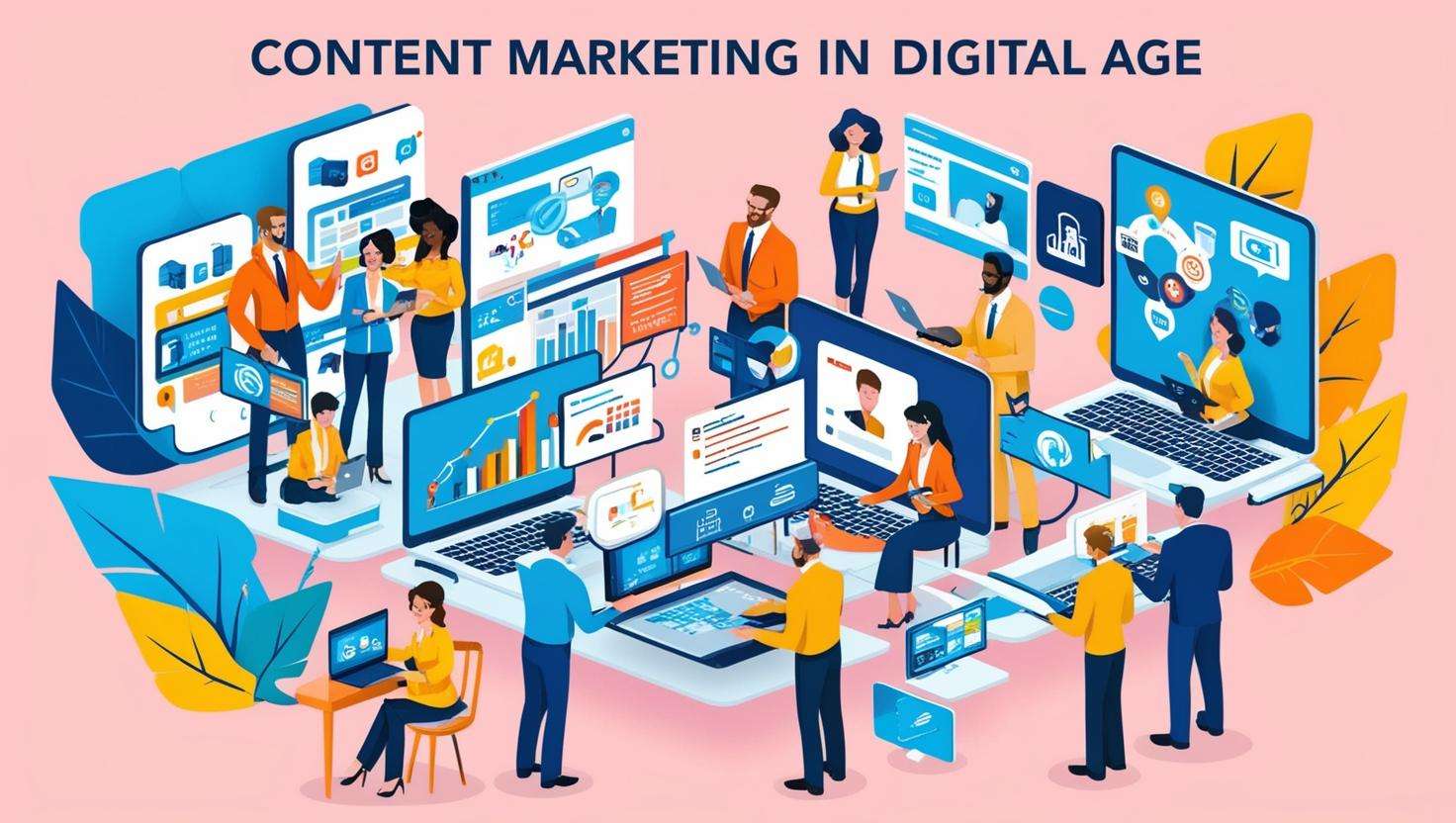
In today’s digital age, the way consumers interact with brands has evolved dramatically. Traditional advertising no longer holds the same influence, which is why content marketing has emerged as a powerful tool for businesses to connect, engage and convert their target audiences. In this blog post, we explore its importance and how a reliable digital strategy can transform your business growth. Whether you’re looking to learn content marketing strategies or improve digital marketing content, this guide covers all the essential aspects for effective content creation and distribution.
What is Content Marketing?
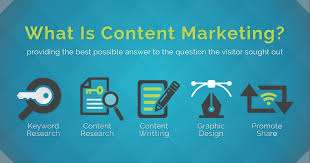
It is a strategic approach focused on creating and distributing valuable, relevant and consistent content to attract and retain a clearly defined audience – with the objective of driving profitable customer action. Unlike traditional advertising, content marketing emphasizes the importance of storytelling, education and engagement. In the realm of digital content marketing, businesses are increasingly investing in blog posts, videos, social media posts, infographics and more, as part of their overall content strategy.
Why Content Marketing Matters in the Digital Age
1. Shifting Consumer Behavior
As consumers shift from passive advertising to actively seeking information online, It becomes indispensable. Today’s audience is looking for more than just a product, they want to connect with brands that provide value, insights and authentic experiences. By using content marketing, companies can build trust and establish themselves as industry thought leaders.
2. Enhancing SEO and Online Visibility
One of the key benefits of content marketing is its impact on SEO. High-quality, keyword-optimized content helps your website rank better in search engine results. Using targeted phrases such as “digital content marketing” and “SEO content marketing,” businesses can improve their organic search visibility and drive more qualified traffic to their sites.
3. Cost-Effective Marketing Strategy
Compared to traditional advertising, It is a cost-effective solution. By investing in a well-planned content strategy, companies can create evergreen content that continues to generate leads and conversions over time. This approach not only maximizes return on investment but also nurtures long-term relationships with customers.
Benefits of a Strong Content Marketing Strategy
1. Increased Brand Awareness and Trust
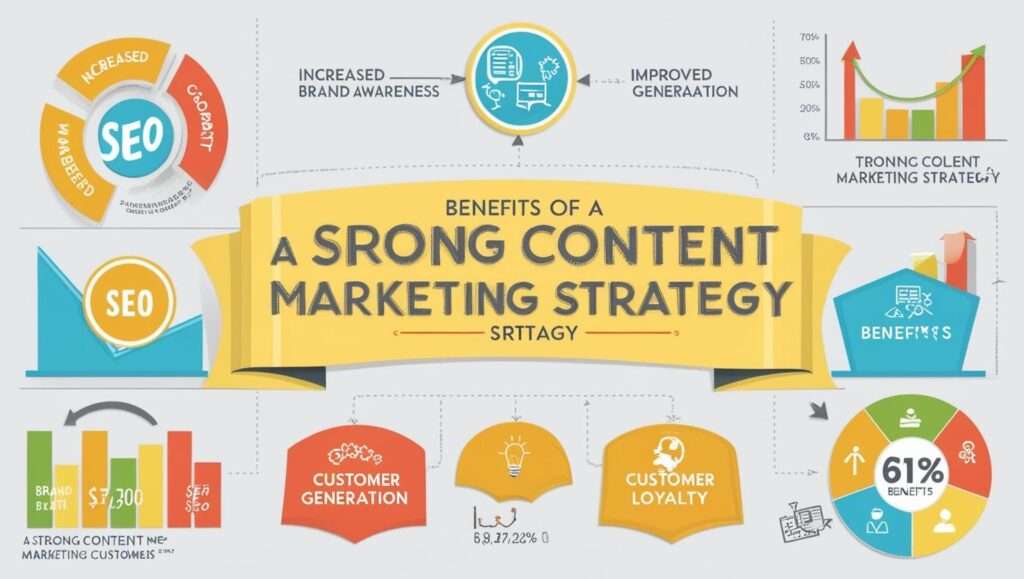
A consistent content marketing strategy helps build brand recognition and trust. By delivering valuable information that addresses your audience’s pain points, you position your brand as a reliable resource. This is crucial in a competitive digital market where customers have endless options.
2. Improved Engagement and Customer Loyalty
Engaging content encourages your audience to interact with your brand. Whether it’s through blog comments, social media shares or email subscriptions, content marketing fosters a sense of community. This engagement translates into loyal customers who are more likely to advocate for your brand.
3. Higher Conversion Rates
When executed correctly, It can guide potential customers through the sales funnel. By offering solutions, tips and insights, your content can nurture leads and eventually convert them into paying customers. The strategic use of long tail keywords helps attract highly targeted traffic that is ready to convert.
4. Enhanced SEO Performance
Quality content that adheres to Google’s guidelines, including proper keyword density and readability, significantly boosts your SEO efforts. Incorporating primary keywords throughout your content can help your website rank higher on search engine results pages (SERPs). Additionally, optimizing with secondary and intent-based keywords further strengthens your online presence.
How to Create an Effective Content Marketing Strategy
1. Conduct In-Depth Keyword Research
Before creating any content, start by researching keywords with high monthly searches and low competition. Categorize these keywords into primary, secondary, long tail and intent-based groups. This method ensures that you’re targeting a broad range of search queries, from general topics like content marketing to specific phrases.
2. Understand Your Audience and Their Intent
Creating buyer personas is essential for any content marketing strategy. Identify your target audience’s needs, challenges and online behavior. Use intent-based keywords to ensure your content aligns with what your audience is actively searching for.
3. Develop a Content Calendar
A well-planned content calendar helps maintain consistency, a critical factor in successful digital content marketing. Outline topics, assign deadlines and schedule posts regularly. This approach ensures that you are continuously delivering fresh, valuable content that meets both user intent and SEO guidelines.
4. Produce High-Quality, SEO-Optimized Content
Quality is king in content marketing. Craft well-researched articles, engaging videos and informative infographics that resonate with your audience. Use primary keywords frequently but naturally, ensuring that the focus keyword maintains a good density threshold without feeling forced. Include meta titles, descriptions, header tags and internal/external links to further boost your SEO performance.
5. Measure and Refine Your Strategy
Use analytics tools to track the performance of your content marketing efforts. Monitor metrics such as organic traffic, engagement rates and conversion rates. This data is crucial for understanding what works and where you can improve. Adjust your content calendar, update old posts and experiment with new formats to stay ahead in the digital age.
SEO Best Practices for Content Marketing
On-Page SEO Techniques for Content Marketing
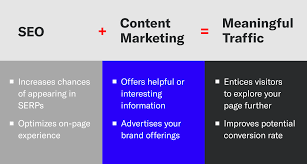
–Title Tags & Meta Descriptions: Ensure your titles and meta descriptions are compelling and include your primary keywords.
–Header Tags: Use H1, H2 and H3 tags to break down your content. This not only improves readability but also helps search engines understand your content hierarchy.
–Keyword Density: Maintain a good keyword density for your focus keyword.
–Alt Text for Images: Use descriptive alt text that includes relevant keywords to improve accessibility and SEO.
Off-Page SEO Strategies for Content Marketing
–Link Building: Develop relationships with other reputable sites to gain high-quality backlinks. This reinforces your site’s authority and improves your overall ranking.
–Social Sharing: Encourage readers to share your content on social media platforms. Social signals can indirectly impact your search engine rankings.
Readability and User Experience
–Short Paragraphs: Use concise paragraphs and bullet points to break up large blocks of text.
–Engaging Media: Incorporate images, videos and infographics to complement your written content.
–Mobile Optimization: Ensure your website is responsive. With an increasing number of users accessing content via mobile devices, a mobile-friendly site is essential for both user experience and SEO.
The Future in the Digital Age
As technology continues to evolve, so does the market of content marketing. Here are a few trends to watch:
–Artificial Intelligence: AI tools are revolutionizing how content is created and personalized. From automated writing assistants to predictive analytics, AI is becoming an integral part of digital content marketing strategies.
–Video and Interactive Content: With video consumption on the rise, integrating video content and interactive elements into your content marketing plan can significantly boost engagement.
–Voice Search Optimization: As voice search becomes more prevalent, optimizing your content for conversational keywords is crucial. This means focusing on natural language queries that your target audience might use.
–Content Personalization: Tailoring content to individual user preferences is no longer optional, it’s a necessity. Advanced data analytics allow brands to deliver highly personalized experiences, improving customer satisfaction and conversion rates.
Conclusion
In the digital age, content marketing isn’t just an option it’s a vital component of any successful marketing strategy. By investing in a strong content strategy and focusing on creating valuable, engaging and SEO-optimized content, businesses can enhance their online visibility, build lasting relationships with customers and drive sustainable growth.
Whether you’re a seasoned marketer or just starting to explore the world of digital marketing, the principles outlined in this post provide a roadmap to using content marketing effectively. Embrace the power of storytelling, invest in continuous learning and stay adaptable to emerging trends to ensure your digital content marketing efforts deliver long-term success.
Ready to transform your digital strategy? Start integrating these techniques today and watch your business soar in the digital age.
At Balistro, we specialize in helping businesses grow through effective digital marketing strategies. From Google Ads to Meta Ads, we deliver data-driven campaigns that maximize your ROI and drive real results. If you’re looking to boost your online presence, generate leads, or scale your e-commerce business, our expert team is here to help. Contact us today to learn more about how we can support your advertising needs!
Ready to Grow Your Business?
Book a free 30-minute strategy call with Balistro. We’ll audit your marketing and show you exactly where your biggest growth opportunities are.
Why Content Marketing Is the Foundation of Digital Growth
Content marketing generates 3x more leads per dollar spent compared to traditional marketing (Source: DemandMetric). Companies that maintain active blogs generate 67% more leads than those that don’t (Source: HubSpot). In the age of AI search and answer engines, high-quality content is also the primary way brands get cited in AI-generated responses.
For Indian businesses, content marketing serves multiple strategic purposes: it drives organic search traffic through SEO, establishes brand expertise and E-E-A-T signals, nurtures prospects through the buyer journey, and provides fuel for social media and email marketing channels. A strong content strategy amplifies the effectiveness of every other marketing channel.
The evolution of AI content tools has made production faster, but it has also raised the quality bar. Google’s Helpful Content Update rewards original, expert-driven content that provides genuine value. Brands that invest in truly helpful, experience-backed content are winning in both traditional search and AI-powered search engines.
Building a Content Marketing Strategy That Drives Results
- Keyword & Topic Research: Use tools like Ahrefs, SEMrush, or Google Keyword Planner to identify topics your audience is actively searching for. Map topics to buyer journey stages — informational queries for awareness, comparison queries for consideration, and transactional queries for decision stage.
- Content Calendar Development: Plan content 30-90 days ahead with a mix of formats: blog posts (2-4 per week), long-form guides (1-2 per month), case studies (1-2 per quarter), infographics, and video content. Align content themes with business goals, seasonal trends, and campaign schedules.
- Quality-First Content Creation: Every piece of content should be comprehensive, original, and genuinely helpful. Include real data, expert insights, practical examples, and actionable recommendations. Aim for content that is the best resource available on the topic — not just another surface-level article.
- Distribution & Promotion: Great content needs distribution. Share across social media, include in email newsletters, repurpose into different formats, and build internal links from related pages. For high-value content, invest in paid promotion to reach wider audiences.
- Performance Tracking & Iteration: Track content performance through organic traffic, time on page, scroll depth, social shares, and conversion metrics. Identify top-performing content patterns and create more of what works. Update and refresh existing content quarterly to maintain relevance and rankings.
Content Marketing Mistakes That Waste Time and Budget
- Publishing thin, low-value content: In 2026, quality decisively beats quantity. One comprehensive, expert-driven article outperforms ten shallow posts. Focus on creating content that thoroughly answers user questions and provides insights competitors don’t offer.
- Ignoring search intent: Creating content that doesn’t match what users actually want when they search leads to high bounce rates and low rankings. Study the top-ranking content for your target keywords and ensure your content satisfies the same (or better) user intent.
- No content distribution strategy: Publishing content without promoting it is like opening a store with no signs. Build a systematic distribution process across email, social media, and paid channels to ensure every piece of content reaches its intended audience.
- Not repurposing content: A single blog post can become a LinkedIn article, Instagram carousel, email newsletter, YouTube video, and podcast episode. Brands that repurpose content across formats get 3-5x more value from every piece they create.
- Forgetting the CTA: Every piece of content should guide readers toward a next step — subscribing to a newsletter, downloading a resource, requesting a consultation, or exploring a service page. Without clear CTAs, content drives awareness but not conversions.
Frequently Asked Questions
How often should I publish blog content?
For most businesses, 2-4 quality blog posts per week is optimal for building organic traffic. However, quality always trumps quantity — one comprehensive, well-researched article per week is better than daily thin content. Consistency matters more than volume, so establish a sustainable publishing cadence you can maintain long-term.
How long should a blog post be for SEO?
The optimal blog post length for SEO in 2026 is 1,800-2,500 words for most topics. Longer content tends to rank better because it covers topics more comprehensively. However, the best length is whatever it takes to thoroughly cover the topic — some subjects require 3,000+ words while others are best served by 1,500 focused words. Prioritize depth and value over arbitrary word counts.
Should I use AI to write my blog content?
AI tools like Claude are excellent for accelerating content creation — generating outlines, first drafts, and research summaries. However, the best-performing content combines AI efficiency with human expertise, original insights, and brand voice. Use AI as a productivity tool, not a replacement for genuine expertise and editorial judgment.
Ready to Grow Your Business?
At Balistro Consultancy, we help D2C and B2B brands achieve measurable marketing results through data-driven strategies. Whether you need Google Ads management, Facebook advertising, SEO services, or email marketing, our team of certified specialists is ready to help you grow.
Book a free consultation call to discuss your marketing goals and discover how Balistro can drive real results for your brand.