
Sending the same email to your entire list is one of the most common email marketing mistakes. Different subscribers have different needs, interests, and buying stages — and treating them all the same results in low engagement and high unsubscribe rates. Email segmentation is the practice of dividing your list into smaller groups and sending targeted messages to each. The results are consistently impressive: segmented campaigns generate up to 760% more revenue than non-segmented ones.
Why Segmentation Outperforms Broadcast Emails
When you send relevant content to subscribers, they open more, click more, and buy more. It is that simple. Segmented emails perform better because they feel personal. The subscriber feels understood rather than spammed.
Beyond revenue, segmentation also protects your deliverability. ISPs (Gmail, Outlook) use engagement signals to decide whether your emails go to the inbox or spam. A list full of disengaged subscribers — receiving irrelevant emails — will gradually damage your sender reputation and reduce inbox placement across your entire list.
Segment by Purchase History
One of the most profitable segments is purchase-based. Customers who bought Product A are excellent candidates for a cross-sell or upsell sequence. First-time buyers need a different nurture sequence than repeat customers. High-value customers deserve VIP treatment.
Set up automatic segments that update dynamically: “Purchased in last 90 days”, “Purchased 3+ times”, “Last purchase was >6 months ago” (win-back segment). Each segment should trigger a specific email sequence tailored to their relationship with your brand.
- First-time buyers: onboarding + cross-sell sequence
- Repeat buyers: loyalty rewards + early access
- Lapsed buyers (90+ days): win-back campaign
- High spenders: VIP programme invitations
Segment by Engagement Level
Engagement-based segmentation is critical for list health. Your most engaged subscribers (opened in last 30 days) should receive your full sending frequency. Less engaged subscribers (opened 31–90 days ago) should receive less frequent, re-engagement focused emails.

Subscribers who have not opened in 90+ days need a targeted re-engagement campaign — a compelling reason to stay subscribed. If they still do not engage after 2–3 re-engagement emails, remove them from your list. A smaller, engaged list is always more valuable than a large, inactive one.
Segment by Lead Source and Behaviour
How someone joined your list tells you a lot about what they want. A subscriber who downloaded a “Google Ads guide” is interested in paid advertising. One who signed up for a “free SEO audit” needs SEO-focused content. Tagging subscribers by their entry point allows you to send highly relevant welcome sequences.
Behavioural triggers add another layer: segment subscribers who clicked a specific link, visited a specific page, or abandoned a cart. These intent signals are powerful — they tell you exactly where the subscriber is in their decision-making process, so you can send precisely the right message at the right time.
Segment by Demographics and Preferences
If you have customer demographic data (industry, company size, location, job title), use it. A CFO and a marketing manager at the same company have very different concerns — and the same email will not resonate with both.
Preference centres allow subscribers to self-select the content they want. Offer options like “industry news”, “product updates”, “tips and tutorials”, or “promotional offers” and let them choose. Self-selected segmentation produces the highest engagement because you are literally giving people exactly what they asked for.
Work With a Team That Gets Results
Email segmentation is not complicated — it is systematic. Start with one meaningful segment this week (purchase history or engagement level) and build from there. Explore our Email Marketing services and find out how Balistro can help your business grow faster.
Why Email Marketing Delivers the Highest ROI in Digital Marketing
Email marketing consistently delivers $36-$42 for every $1 spent, making it the highest-ROI digital marketing channel available (Source: Litmus, 2025). Unlike social media where organic reach continues to decline, email gives you direct access to your audience’s inbox — a channel you own and control.
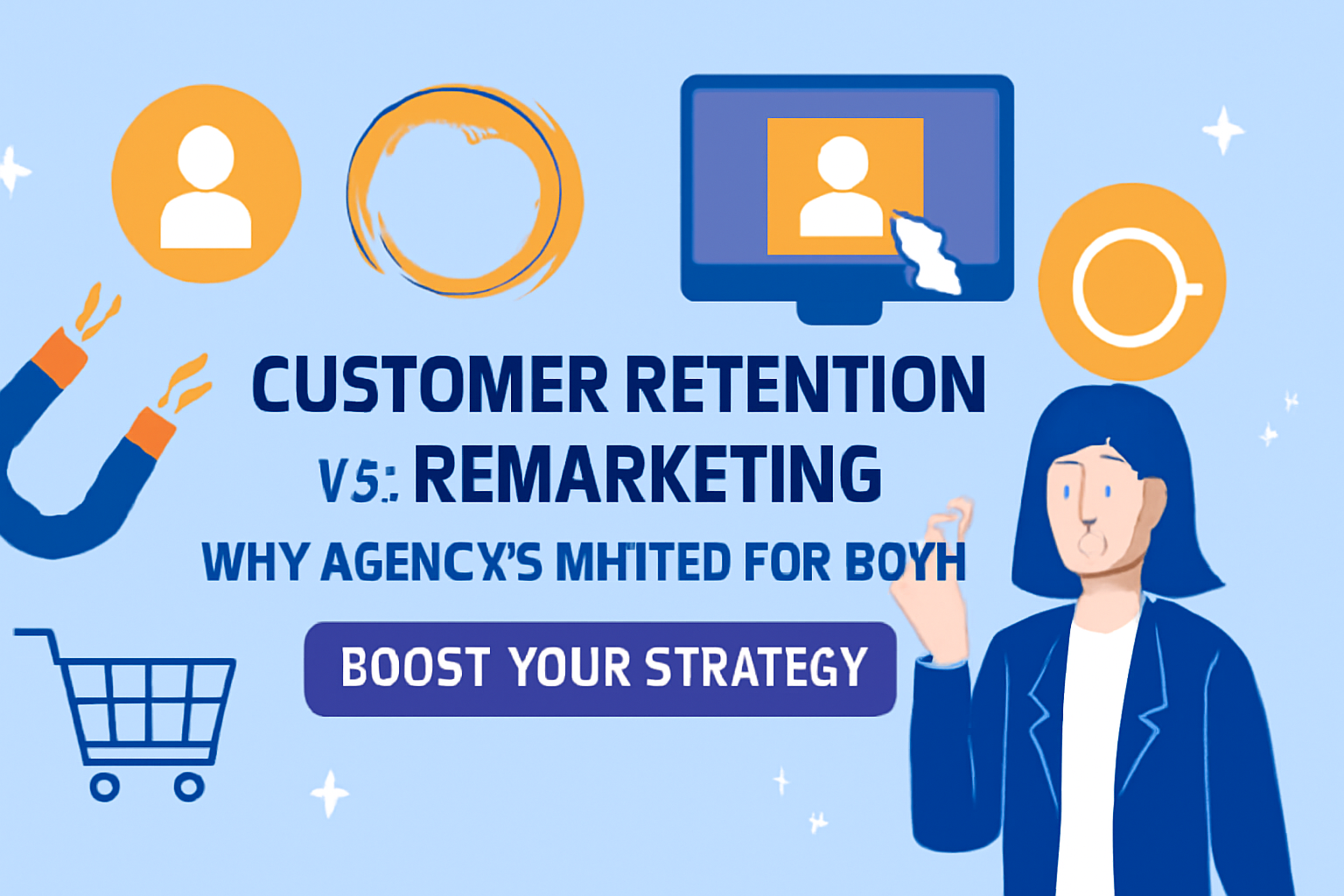
For D2C brands, email marketing is the backbone of customer retention. Acquiring a new customer costs 5-7x more than retaining an existing one, and email automation workflows — welcome series, abandoned cart recovery, post-purchase follow-ups, and win-back campaigns — drive repeat purchases at minimal incremental cost.
The integration of AI into email marketing platforms has made personalization at scale possible. Dynamic content, send-time optimization, predictive segmentation, and AI-generated subject lines are helping brands deliver highly relevant messages that cut through inbox clutter. Brands leveraging these capabilities are seeing 25-40% higher open rates and 2-3x improvement in click-through rates.
Building a Revenue-Generating Email Marketing System
Effective email marketing goes far beyond sending promotional blasts. Here’s how to build an email system that generates consistent revenue:
- Platform Selection & Setup: Choose a platform that matches your needs — Klaviyo for D2C/e-commerce, HubSpot for B2B, or Mailchimp for SMBs. Set up proper authentication (SPF, DKIM, DMARC) to ensure deliverability. Implement tracking across your website for behavioral triggers.
- List Building & Segmentation: Build your email list through website pop-ups, lead magnets, checkout opt-ins, and social media. Segment subscribers by behavior (purchase history, browse activity, engagement level), demographics, and lifecycle stage. Never buy email lists — they destroy deliverability and violate regulations.
- Automation Workflows: Set up these essential automated flows: Welcome Series (3-5 emails introducing your brand), Abandoned Cart (3 emails over 24-72 hours), Post-Purchase (thank you, review request, cross-sell), Browse Abandonment (for interested non-buyers), and Win-Back (re-engage dormant subscribers after 60-90 days).
- Campaign Strategy: Beyond automation, send 2-4 campaign emails per week including product launches, educational content, promotions, and social proof. Use A/B testing on subject lines, send times, content layout, and CTAs to continuously improve performance.
- Deliverability Management: Monitor bounce rates (keep under 2%), complaint rates (under 0.1%), and engagement metrics. Clean your list quarterly by removing consistently unengaged subscribers. Maintain a healthy sender reputation to ensure your emails reach the inbox, not the spam folder.
Email Marketing Mistakes That Kill Engagement and Revenue
- Sending the same email to everyone: Unsegmented email blasts generate 760% less revenue than segmented campaigns (Source: Campaign Monitor). Segment your audience by purchase behavior, engagement level, and preferences to deliver relevant content that drives action.
- Ignoring mobile optimization: With 61.9% of emails opened on mobile devices, non-responsive email design guarantees lost revenue. Use single-column layouts, large tap targets (44x44px minimum), and concise copy optimized for small screens.
- No welcome automation: Welcome emails see 4x higher open rates and 5x higher click rates than regular campaigns. Brands without a welcome series miss the highest-engagement window to convert subscribers into customers.
- Over-sending or under-sending: Too many emails cause unsubscribes; too few make subscribers forget you. Find the right cadence through testing — typically 2-4 emails per week for D2C and 1-2 per week for B2B — and let engagement data guide adjustments.
- Weak subject lines: Your subject line determines whether your email gets opened. A/B test every campaign with different subject line approaches — questions, urgency, personalization, curiosity gaps, and benefit-driven hooks. Aim for 6-10 words and under 50 characters for mobile optimization.
Frequently Asked Questions
What is a good email open rate?
The average email open rate across industries is 21.33% (Source: Mailchimp). A good open rate depends on your industry — e-commerce averages 15-20%, while B2B professional services see 20-25%. Balistro’s email campaigns consistently achieve 28-35% open rates through strategic segmentation, compelling subject lines, and optimal send-time testing.
How do I reduce email unsubscribe rates?
Keep unsubscribe rates below 0.5% by: segmenting your list to send relevant content, respecting subscriber preferences for frequency and content type, providing a preference center instead of only an unsubscribe option, and ensuring every email delivers genuine value — whether educational content, exclusive offers, or entertaining storytelling.
What is the best time to send marketing emails?
There’s no universal best time — it depends on your audience. However, studies show Tuesday through Thursday between 9-11 AM and 1-3 PM tend to perform well for B2B audiences. D2C brands often see strong results on weekday evenings and weekends. Use your email platform’s send-time optimization feature to automatically deliver emails when each subscriber is most likely to engage.
Ready to Grow Your Business?
At Balistro Consultancy, we help D2C and B2B brands achieve measurable marketing results through data-driven strategies. Whether you need Google Ads management, Facebook advertising, SEO services, or email marketing, our team of certified specialists is ready to help you grow.
Book a free consultation call to discuss your marketing goals and discover how Balistro can drive real results for your brand.
Advanced Email Marketing Strategies for Revenue Growth
Email marketing in 2026 has evolved far beyond simple batch-and-blast campaigns. AI-powered personalization enables brands to deliver uniquely relevant content to each subscriber based on their browsing behavior, purchase history, engagement patterns, and predicted interests — dramatically improving both open rates and conversion rates.
Behavioral trigger emails represent the highest-value segment of any email marketing program. Automated flows triggered by specific user actions — product views, cart additions, checkout starts, post-purchase milestones, and re-engagement triggers — generate 320% more revenue per email than standard campaigns because they deliver perfectly timed, contextually relevant messages.
List health management has become increasingly sophisticated with the integration of predictive analytics. Modern email platforms can predict which subscribers are likely to churn, which are ready to purchase, and which need re-engagement — allowing brands to proactively adjust their email strategy for each subscriber segment before engagement declines.
Interactive email elements — including polls, surveys, countdown timers, image carousels, and even in-email shopping experiences — are driving significantly higher engagement rates. Brands that incorporate interactive elements see 73% higher click-through rates compared to standard email layouts, as these features create a more engaging and frictionless subscriber experience.
Email deliverability has become more complex as inbox providers implement increasingly sophisticated filtering algorithms. Maintaining strong sender reputation requires consistent engagement metrics, proper authentication (SPF, DKIM, DMARC), regular list cleaning, and adherence to evolving privacy regulations including GDPR and India’s upcoming data protection framework.