The Bold New Face of Marketing: Top 2024 Trends in AI, Video, and Sustainability
TL;DR
It’s difficult to predict exactly what marketing trends will be popular in 2023, as the field is constantly evolving and new technologies and techniques are being developed.
Marketing is evolving at an unprecedented pace, and as we explore 2024, it’s clear that understanding current trends is essential for businesses and marketers. A striking statistic reveals that revenue from AI software is projected to reach $126 billion by the end of this year, indicating a significant shift in how marketing strategies are being formulated and executed. This blog will explore key trends observed in 2024 and offer predictions for the future, providing insights that can help marketers stay ahead of the curve.
Overview of Marketing Trends in 2024
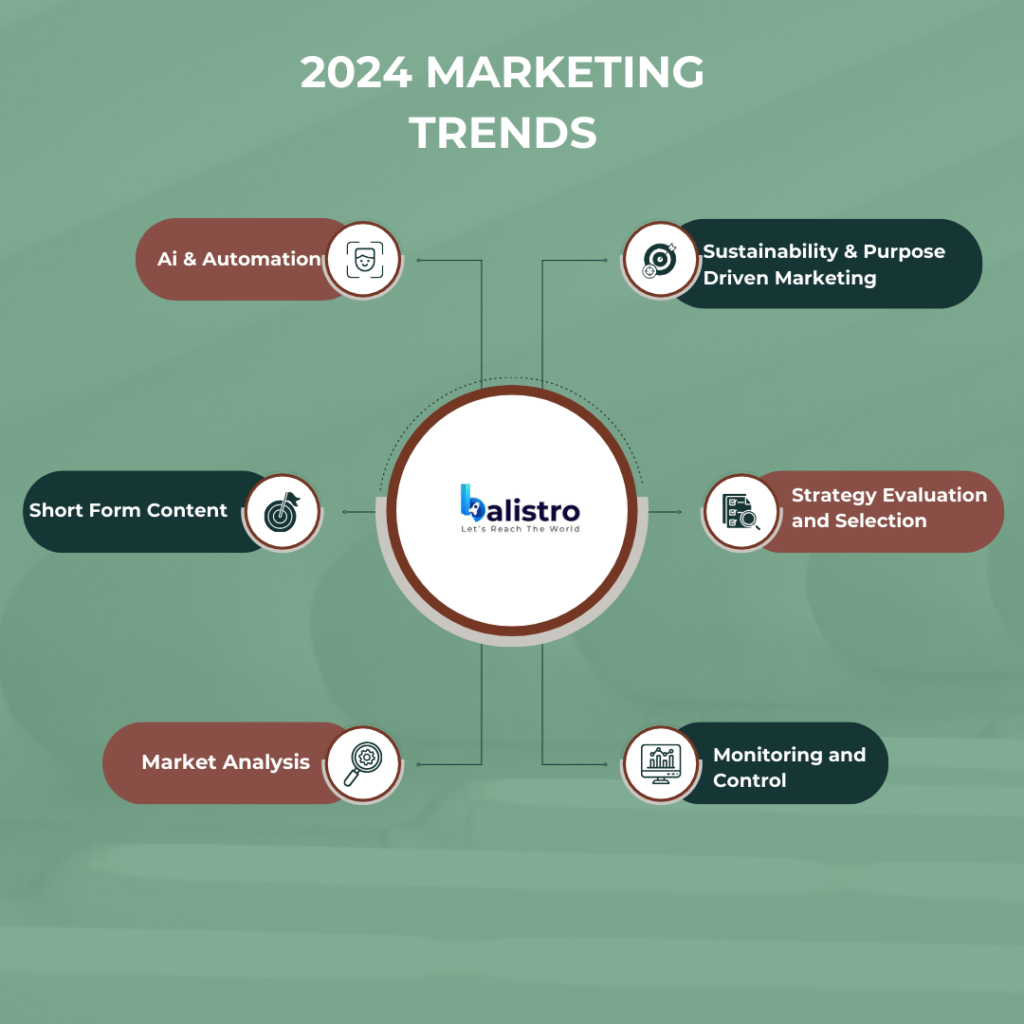
– The Impact of AI and Automation
Generative AI is revolutionizing content creation and customer engagement. Marketers are increasingly using AI tools to personalize experiences at scale, leading to improved customer satisfaction and engagement rates. For instance, AI can analyze vast amounts of data to predict customer behavior, allowing for more targeted marketing strategies. Automation tools are also streamlining marketing tasks, enabling teams to focus on strategic initiatives rather than repetitive processes.
The Rise of Short-form Video Content
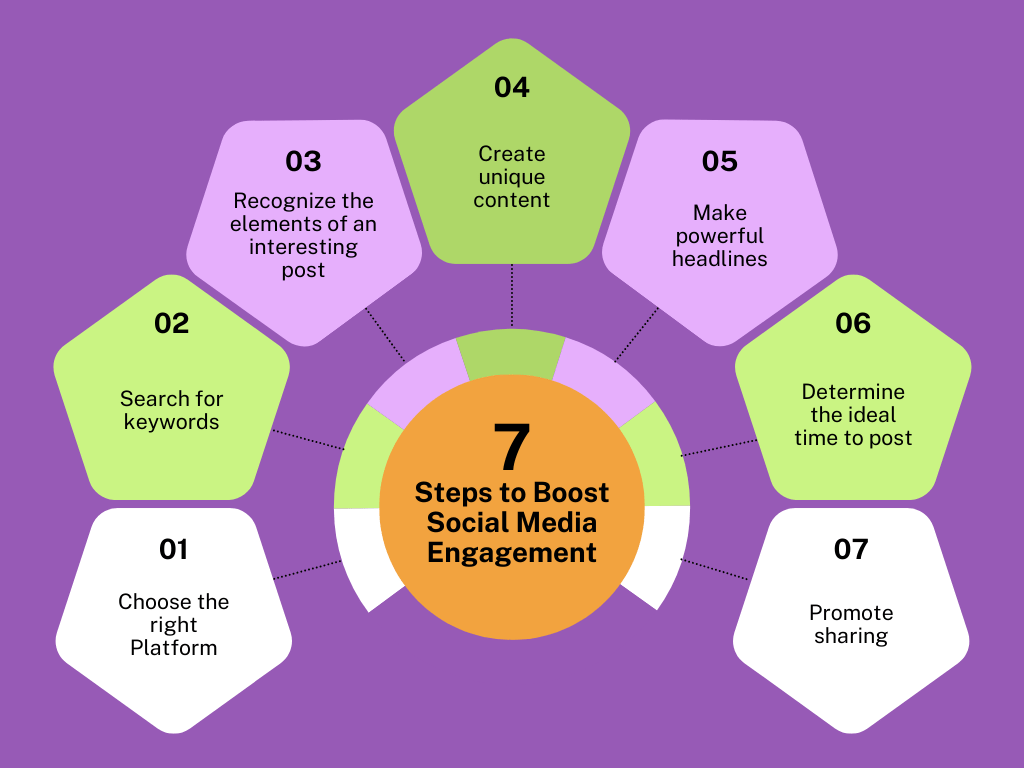
Platforms like TikTok and Instagram Reels have solidified short-form video content as a dominant marketing strategy. These platforms boast high engagement rates, with some studies showing that short videos can lead to a 1200% increase in shares compared to text and image-based content. Brands are recognizing the ROI potential of video marketing, with many reporting substantial increases in brand awareness and customer engagement.
First-party Data Utilization
With the decline of third-party cookies, marketers are shifting towards first-party data strategies. This involves collecting consent-based data directly from consumers through interactions on websites or apps. Businesses are now focusing on building trust with their customers to encourage data sharing, which is essential for personalized marketing efforts. This shift not only enhances data quality but also aligns with growing consumer privacy concerns.
Sustainability and Purpose-driven Marketing
Today’s consumers expect brands to adopt ethical practices. Companies that successfully implement sustainable marketing strategies not only meet consumer expectations but also enhance brand loyalty. For example, brands like Patagonia have built their identity around environmental sustainability, which resonates deeply with their target audience. This trend signifies a broader movement towards purpose-driven marketing where authenticity plays a crucial role.
Community Engagement and User-Generated Content (UGC)
Authenticity in brand-consumer relationships is becoming increasingly important. Successful UGC campaigns foster community engagement by encouraging customers to share their experiences with a brand. For instance, Coca-Cola’s “Share a Coke” campaign effectively utilized UGC by inviting consumers to find bottles with their names on them, creating a personal connection with the product. This strategy not only boosts brand visibility but also cultivates a sense of community among consumers.
Key Insights from Early 2024
– Notable Campaigns and Case Studies
Several campaigns have exemplified current trends in early 2024. For instance, Nike’s use of AI-driven personalization in their email marketing has led to increased conversion rates by delivering specific content based on individual preferences. Similarly, brands like Airbnb have harnessed short-form video content to showcase unique listings, resulting in higher engagement levels across social media platforms.
– Consumer Behavior Shifts
Consumer preferences are evolving rapidly in response to these trends. There is a noticeable shift towards brands that prioritize sustainability and ethical practices. Consumers are more likely to engage with brands that align with their values, making it essential for marketers to integrate these principles into their strategies.
Future Expectations for Marketing
– Continued Integration of AI Technologies
As we look ahead, the integration of AI technologies will further influence marketing strategies. Predictive analytics will become more sophisticated, enabling marketers to anticipate consumer needs and tailor their approaches accordingly. The use of AI chatbots will also expand, providing real-time customer support and enhancing user experience.
– Evolving Search Engine Dynamics
Advancements in search engine technology will necessitate changes in SEO strategies. As search engines become more adept at understanding user intent through AI, marketers will need to focus on optimizing content for conversational queries rather than traditional keyword targeting.
– Emphasis on Cultural Relevance
Brands will increasingly focus on aligning their messaging with societal trends and cultural moments. This approach not only enhances brand relevance but also fosters deeper connections with consumers who value authenticity and relatability.
– New Social Media Platforms on the Horizon
Emerging social media platforms may disrupt current dynamics by offering new avenues for engagement. Marketers should remain vigilant about these developments and be prepared to adapt their strategies accordingly.
TL;DR
As we explore the marketing trends of 2024, several key themes emerge that are reshaping the market:
– AI and Automation: Generative AI enhances content creation and customer engagement while automation tools streamline marketing tasks.
– Short-form Video Content: Platforms like TikTok and Instagram Reels drive high engagement through effective video marketing.
– First-party Data Utilization: A shift from third-party cookies emphasizes consent-based data collection and consumer trust.
– Sustainability and Purpose-driven Marketing: Consumers expect ethical practices from brands, leading to increased loyalty.
– Community Engagement and User-Generated Content (UGC): Authenticity in brand-consumer relationships is vital.
As we look ahead, marketers must adapt to these trends by integrating AI technologies, evolving SEO strategies, aligning messaging with cultural relevance, and staying alert to emerging social media platforms.
How do you foresee the evolution of marketing beyond 2024? What trends do you think will emerge as game-changers?
At Balistro, we specialize in helping businesses grow through effective digital marketing strategies. From Google Ads to Meta Ads, we deliver data-driven campaigns that maximize your ROI and drive real results. If you’re looking to boost your online presence, generate leads, or scale your e-commerce business, our expert team is here to help. Contact us today to learn more about how we can support your advertising needs!
Ready to Grow Your Business?
Book a free 30-minute strategy call with Balistro. We’ll audit your marketing and show you exactly where your biggest growth opportunities are.
Why Strategic Digital Marketing Is Essential for Business Growth in India
India’s digital advertising market is projected to reach ₹62,000 crore by 2026, growing at 25% CAGR (Source: Dentsu Digital Report). This explosive growth means more businesses are competing for digital attention than ever before. Without a strategic digital marketing approach, brands risk being invisible to their target audience.
The most successful brands in India’s digital market don’t rely on a single channel — they build integrated marketing ecosystems. Brands using 3+ digital channels see 287% higher purchase rates than single-channel campaigns (Source: Omnisend). This multi-channel approach, when executed strategically, creates multiple touchpoints throughout the customer journey.
For D2C and B2B brands specifically, digital marketing has become the primary growth driver. With 78% of Indian businesses increasing their digital marketing budgets in 2025, competitive demands not just presence but excellence across search, social, email, and content channels.
Building an Integrated Digital Marketing Strategy
- Customer Research & Persona Development: Start with deep customer research — analyze your existing customer data, conduct surveys, review search queries, and study competitor audiences. Build detailed buyer personas including demographics, pain points, digital behavior, and preferred content formats.
- Channel Strategy & Prioritization: Not every channel is right for every business. D2C brands should prioritize Meta Ads, Google Shopping, email marketing, and SEO. B2B brands focus on Google Search, LinkedIn, content marketing, and email nurturing. Start with 2-3 core channels and expand based on data.
- Content Strategy & Calendar: Develop a content strategy that supports every stage of the funnel — awareness (blog posts, social content), consideration (case studies, comparison guides), and decision (product pages, testimonials). Create a monthly content calendar with themes aligned to business goals and seasonal opportunities.
- Paid Media Strategy: Structure paid campaigns by funnel stage with appropriate budgets. Allocate 40% to prospecting (awareness), 30% to remarketing (consideration), and 30% to conversion campaigns. Use cross-channel remarketing to nurture prospects across platforms.
- Measurement & Optimization: Implement comprehensive tracking across all channels. Build a unified dashboard that shows the complete customer journey. Use data to continuously optimize — shift budget to top-performing channels, refine targeting, and improve creative based on performance insights.
Digital Marketing Mistakes That Stunt Business Growth
- No clear strategy or goals: Running ads and posting content without a coherent strategy wastes budget and effort. Define specific, measurable goals for each channel — traffic, leads, revenue — and build campaigns that directly support those objectives.
- Channel silos: Running each marketing channel independently creates disconnected customer experiences and misses cross-channel optimization opportunities. Integrate your channels so email supports paid media, content supports SEO, and social supports brand building in a cohesive ecosystem.
- Chasing trends over fundamentals: New platforms and tactics are exciting, but sustainable growth comes from mastering fundamentals — compelling messaging, strong offers, excellent landing pages, and data-driven optimization. Build a strong foundation before experimenting with emerging channels.
- Underinvesting in retention: Most brands overspend on acquisition and underinvest in retention. Retaining existing customers costs 5-7x less than acquiring new ones. Build email automation, loyalty programs, and post-purchase experiences that maximize customer lifetime value.
- Not investing in brand: Performance marketing drives immediate results, but brand building creates long-term competitive advantage. Strong brands enjoy higher conversion rates, lower acquisition costs, and greater pricing power. Allocate at least 20-30% of marketing budget to brand-building activities.
Frequently Asked Questions
How much should a small business spend on digital marketing in India?
Small businesses in India should allocate 7-15% of revenue to digital marketing, with a minimum of ₹25,000-50,000 per month for meaningful impact. Start with the channels most likely to drive immediate revenue — Google Ads for intent-based traffic and social media ads for awareness — then expand as you see returns.
What is the most effective digital marketing channel for B2B?
For B2B companies in India, Google Search Ads and LinkedIn are typically the most effective channels for lead generation. Content marketing and SEO build long-term authority and organic lead flow. Email marketing nurtures leads through longer B2B sales cycles. The optimal mix depends on your industry, target audience, and sales process.
How do I measure digital marketing success?
Measure success against your business objectives: revenue growth, customer acquisition cost (CAC), return on ad spend (ROAS), organic traffic growth, conversion rates, and customer lifetime value (CLV). Avoid vanity metrics like impressions or followers unless they directly correlate with business outcomes. Set up proper attribution to understand which channels drive real results.
Ready to Grow Your Business?
At Balistro Consultancy, we help D2C and B2B brands achieve measurable marketing results through data-driven strategies. Whether you need Google Ads management, Facebook advertising, SEO services, or email marketing, our team of certified specialists is ready to help you grow.
Book a free consultation call to discuss your marketing goals and discover how Balistro can drive real results for your brand.
Building a Sustainable Digital Marketing Growth Engine
Sustainable digital marketing growth requires building systems and processes that compound over time, rather than relying on short-term campaign tactics. The most successful brands treat digital marketing as an integrated ecosystem where each channel amplifies the effectiveness of every other channel.
The concept of compounding returns in digital marketing is most clearly demonstrated through SEO and content marketing. Every piece of quality content published, every backlink earned, and every technical improvement made contributes to an ever-growing foundation of organic visibility. Unlike paid advertising — which stops delivering the moment you stop paying — organic growth compounds over months and years.
Marketing technology integration is often the difference between good and great marketing performance. When your CRM, email platform, ad platforms, analytics tools, and website work together smoothly, you gain a unified view of the customer journey that enables truly personalized marketing at scale. The investment in proper martech integration pays dividends through improved targeting accuracy, better attribution, and more efficient workflows.
Brand building and performance marketing are not opposing strategies — they are complementary forces that, when balanced correctly, create a powerful growth flywheel. Strong brands enjoy higher click-through rates on ads, better organic rankings, more referral traffic, and higher conversion rates. Allocating 20-30% of digital marketing budget to brand-building activities creates long-term competitive advantages that protect against market fluctuations.
Customer retention and lifetime value optimization represent the most underleveraged growth opportunity for most digital businesses. Acquiring a new customer costs 5-7x more than retaining an existing one, yet most brands spend the vast majority of their marketing budget on acquisition. Building reliable retention marketing programs — including email automation, loyalty programs, and customer success initiatives — dramatically improves overall marketing ROI.