Traditional Marketing vs. Digital Marketing: Which Approach Drives Better Results?
TL;DR
In today’s fast-moving digital era, businesses face a critical decision: traditional marketing vs. digital marketing. While both methods have distinct benefits, choosing the right approach depends on your business goals and audience.
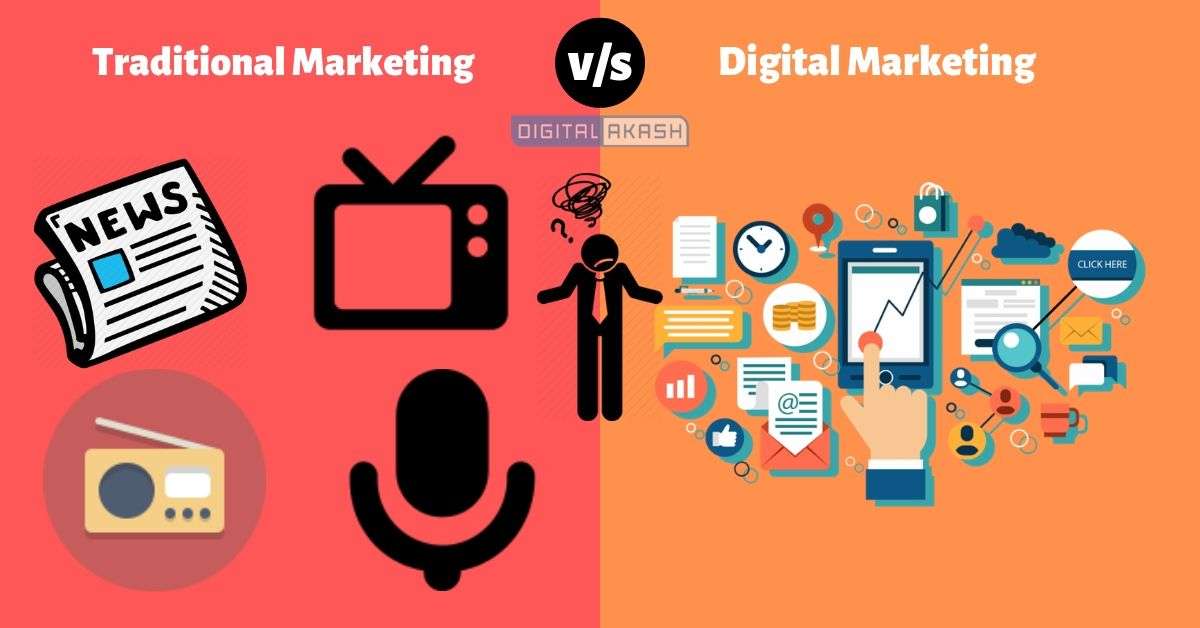
In today’s fast-moving digital era, businesses face a critical decision: traditional marketing vs. digital marketing. While both methods have distinct benefits, choosing the right approach depends on your business goals and audience. Understanding the differences between traditional and digital marketing, as well as their unique advantages, can help you make an informed decision. Let’s explore what is traditional marketing, what is digital marketing and why many businesses are shifting toward digital strategies.
What Is Traditional Marketing?
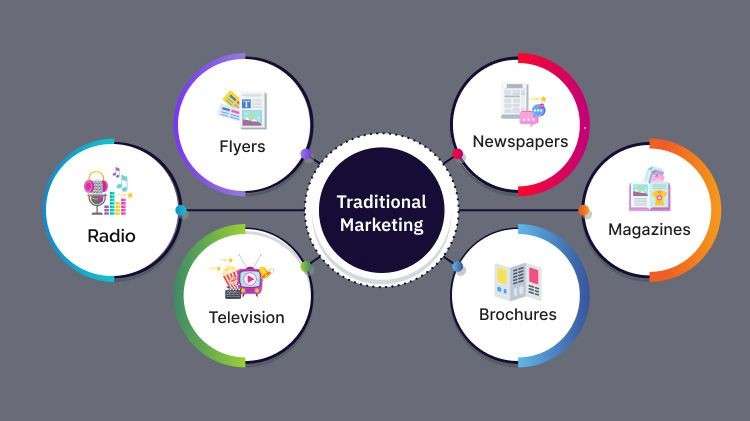
Traditional marketing encompasses time-tested advertising methods that businesses have used for decades. These include:
– Print Media: Newspapers, magazines, brochures and flyers
– Broadcast Media: Television and radio advertisements
– Outdoor Advertising: Billboards, posters and banners
– Direct Mail: Physical mailers, postcards and catalogs
Benefits of Traditional Marketing
-Tangible Presence: Printed materials provide a physical connection, offering longevity and recall value.
-Local Reach: Effective for targeting specific regions or communities, especially through localized ads.
-Familiarity: Trusted by many consumers, especially older generations.
Challenges of Traditional Marketing
-Difficulty Measuring ROI: Tracking the effectiveness of campaigns can be challenging without direct feedback.
-High Costs: Television ads, print campaigns and billboards demand significant investment.
-Limited Targeting: Broad messaging makes it difficult to reach specific audience segments.
What Is Digital Marketing?
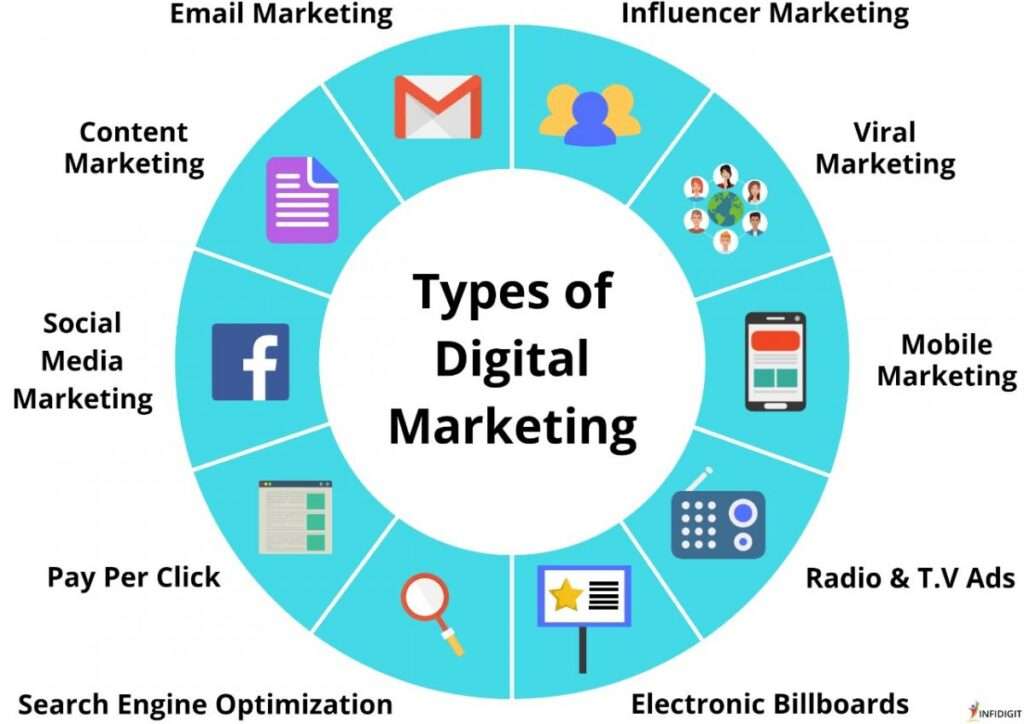
Digital marketing uses online platforms and technologies to connect with audiences in real time. Common channels include:
-Social Media: Facebook, Instagram, LinkedIn and Twitter
-Search Engines: SEO (Search Engine Optimization) and PPC (Pay-Per-Click) campaigns
-Email Marketing: Personalized campaigns for direct audience engagement
-Content Marketing: Blogs, videos and infographics
-Websites: Optimized platforms designed for engagement and conversions
Digital Marketing Advantages
-Cost-Effectiveness: Campaigns like PPC ads and social media promotions are budget-friendly and scalable.
-Precision Targeting: Use demographics, behaviors and location for laser-focused advertising.
-Measurable Results: Tools like Google Analytics provide real-time insights into campaign performance.
-Global Reach: Connect with audiences worldwide, breaking geographical barriers.
-Interactive Engagement: Encourage two-way communication through comments, shares and messages.
Drawbacks of Digital Marketing
–Technical Expertise Required: Successful campaigns require knowledge of tools and optimization strategies.
–Online Competition: The digital space is crowded, making it harder to capture attention.
Key Differences Between Traditional and Digital Marketing
| Aspect | Traditional Marketing | Digital Marketing |
| Medium of Communication | Offline: TV, radio, newspapers, billboards | Online: Social media, websites, email |
| Targeting | Broad and regional | Highly precise and customizable |
| Cost | Expensive | Cost-effective with flexible budgets |
| Measuring Results | Indirect and challenging | Real-time analytics and detailed tracking |
| Engagement | One-way communication | Two-way interactive engagement |
| Speed | Longer planning and execution | Quick setup and instant campaigns |
Why Digital Marketing Is Better Than Traditional Marketing?
Technological advancements and changing consumer habits have positioned digital marketing as a superior choice for many businesses. Here’s why:
-Wider Reach and Accessibility: Digital campaigns can instantly connect with global audiences, ensuring 24/7 accessibility.
-Cost-Effectiveness: Affordable options like PPC and email campaigns make it accessible for small businesses.
-Targeted Campaigns: Unlike the one-size-fits-all approach of traditional ads, digital marketing tailors messages to individual preferences.
-Real-Time Adjustments: Digital campaigns can be paused, modified or optimized based on performance metrics.
–Engagement and Feedback: Encourages interaction through likes, comments and shares, providing immediate feedback.
Benefits of Digital Marketing for Small Businesses
For small businesses, what are the benefits of digital marketing? Here’s why it’s a major shift:
– Data-Driven Insights: Monitor performance and make informed decisions with analytics.
– Budget-Friendly Options: Run campaigns without overspending.
– Global Exposure: Reach audiences beyond geographical limits.
– Targeted Advertising: Ensure your budget is spent on high-converting audiences.
Conclusion
The debate over traditional marketing vs. digital marketing boils down to your business needs and audience preferences. While traditional marketing offers familiarity and a tangible presence, the benefits of digital marketing like cost-effectiveness, global reach and real-time engagement make it a superior choice for modern businesses. By understanding what is the difference between traditional and digital marketing, you can craft a strategy that maximizes growth and customer engagement.
Whether you’re using traditional methods or embracing the advantages of digital marketing, adapting to the evolving marketing market is key to staying ahead in today’s competitive world.
At Balistro, we specialize in helping businesses grow through effective digital marketing strategies. From Google Ads to Meta Ads, we deliver data-driven campaigns that maximize your ROI and drive real results. If you’re looking to boost your online presence, generate leads, or scale your e-commerce business, our expert team is here to help. Contact us today to learn more about how we can support your advertising needs!
Ready to Grow Your Business?
Book a free 30-minute strategy call with Balistro. We’ll audit your marketing and show you exactly where your biggest growth opportunities are.
Why Strategic Digital Marketing Is Essential for Business Growth in India
India’s digital advertising market is projected to reach ₹62,000 crore by 2026, growing at 25% CAGR (Source: Dentsu Digital Report). This explosive growth means more businesses are competing for digital attention than ever before. Without a strategic digital marketing approach, brands risk being invisible to their target audience.
The most successful brands in India’s digital market don’t rely on a single channel — they build integrated marketing ecosystems. Brands using 3+ digital channels see 287% higher purchase rates than single-channel campaigns (Source: Omnisend). This multi-channel approach, when executed strategically, creates multiple touchpoints throughout the customer journey.
For D2C and B2B brands specifically, digital marketing has become the primary growth driver. With 78% of Indian businesses increasing their digital marketing budgets in 2025, competitive demands not just presence but excellence across search, social, email, and content channels.
Building an Integrated Digital Marketing Strategy
- Customer Research & Persona Development: Start with deep customer research — analyze your existing customer data, conduct surveys, review search queries, and study competitor audiences. Build detailed buyer personas including demographics, pain points, digital behavior, and preferred content formats.
- Channel Strategy & Prioritization: Not every channel is right for every business. D2C brands should prioritize Meta Ads, Google Shopping, email marketing, and SEO. B2B brands focus on Google Search, LinkedIn, content marketing, and email nurturing. Start with 2-3 core channels and expand based on data.
- Content Strategy & Calendar: Develop a content strategy that supports every stage of the funnel — awareness (blog posts, social content), consideration (case studies, comparison guides), and decision (product pages, testimonials). Create a monthly content calendar with themes aligned to business goals and seasonal opportunities.
- Paid Media Strategy: Structure paid campaigns by funnel stage with appropriate budgets. Allocate 40% to prospecting (awareness), 30% to remarketing (consideration), and 30% to conversion campaigns. Use cross-channel remarketing to nurture prospects across platforms.
- Measurement & Optimization: Implement comprehensive tracking across all channels. Build a unified dashboard that shows the complete customer journey. Use data to continuously optimize — shift budget to top-performing channels, refine targeting, and improve creative based on performance insights.
Digital Marketing Mistakes That Stunt Business Growth
- No clear strategy or goals: Running ads and posting content without a coherent strategy wastes budget and effort. Define specific, measurable goals for each channel — traffic, leads, revenue — and build campaigns that directly support those objectives.
- Channel silos: Running each marketing channel independently creates disconnected customer experiences and misses cross-channel optimization opportunities. Integrate your channels so email supports paid media, content supports SEO, and social supports brand building in a cohesive ecosystem.
- Chasing trends over fundamentals: New platforms and tactics are exciting, but sustainable growth comes from mastering fundamentals — compelling messaging, strong offers, excellent landing pages, and data-driven optimization. Build a strong foundation before experimenting with emerging channels.
- Underinvesting in retention: Most brands overspend on acquisition and underinvest in retention. Retaining existing customers costs 5-7x less than acquiring new ones. Build email automation, loyalty programs, and post-purchase experiences that maximize customer lifetime value.
- Not investing in brand: Performance marketing drives immediate results, but brand building creates long-term competitive advantage. Strong brands enjoy higher conversion rates, lower acquisition costs, and greater pricing power. Allocate at least 20-30% of marketing budget to brand-building activities.
Frequently Asked Questions
How much should a small business spend on digital marketing in India?
Small businesses in India should allocate 7-15% of revenue to digital marketing, with a minimum of ₹25,000-50,000 per month for meaningful impact. Start with the channels most likely to drive immediate revenue — Google Ads for intent-based traffic and social media ads for awareness — then expand as you see returns.
What is the most effective digital marketing channel for B2B?
For B2B companies in India, Google Search Ads and LinkedIn are typically the most effective channels for lead generation. Content marketing and SEO build long-term authority and organic lead flow. Email marketing nurtures leads through longer B2B sales cycles. The optimal mix depends on your industry, target audience, and sales process.
How do I measure digital marketing success?
Measure success against your business objectives: revenue growth, customer acquisition cost (CAC), return on ad spend (ROAS), organic traffic growth, conversion rates, and customer lifetime value (CLV). Avoid vanity metrics like impressions or followers unless they directly correlate with business outcomes. Set up proper attribution to understand which channels drive real results.
Ready to Grow Your Business?
At Balistro Consultancy, we help D2C and B2B brands achieve measurable marketing results through data-driven strategies. Whether you need Google Ads management, Facebook advertising, SEO services, or email marketing, our team of certified specialists is ready to help you grow.
Book a free consultation call to discuss your marketing goals and discover how Balistro can drive real results for your brand.
Building a Sustainable Digital Marketing Growth Engine
Sustainable digital marketing growth requires building systems and processes that compound over time, rather than relying on short-term campaign tactics. The most successful brands treat digital marketing as an integrated ecosystem where each channel amplifies the effectiveness of every other channel.
The concept of compounding returns in digital marketing is most clearly demonstrated through SEO and content marketing. Every piece of quality content published, every backlink earned, and every technical improvement made contributes to an ever-growing foundation of organic visibility. Unlike paid advertising — which stops delivering the moment you stop paying — organic growth compounds over months and years.
Marketing technology integration is often the difference between good and great marketing performance. When your CRM, email platform, ad platforms, analytics tools, and website work together smoothly, you gain a unified view of the customer journey that enables truly personalized marketing at scale. The investment in proper martech integration pays dividends through improved targeting accuracy, better attribution, and more efficient workflows.
Brand building and performance marketing are not opposing strategies — they are complementary forces that, when balanced correctly, create a powerful growth flywheel. Strong brands enjoy higher click-through rates on ads, better organic rankings, more referral traffic, and higher conversion rates. Allocating 20-30% of digital marketing budget to brand-building activities creates long-term competitive advantages that protect against market fluctuations.
Customer retention and lifetime value optimization represent the most underleveraged growth opportunity for most digital businesses. Acquiring a new customer costs 5-7x more than retaining an existing one, yet most brands spend the vast majority of their marketing budget on acquisition. Building reliable retention marketing programs — including email automation, loyalty programs, and customer success initiatives — dramatically improves overall marketing ROI.