Audience Targeting Successful Case Studies
TL;DR
In today’s competitive digital market, understanding your audience is the key to unlocking effective communication and building long-lasting customer relationships. By diving deep into case studies, we reveal how strategic targeting can drive engagement, conversion, and loyalty.
In today’s competitive digital market, understanding your audience is the key to unlocking effective communication and building long-lasting customer relationships. By diving deep into case studies, we reveal how strategic targeting can drive engagement, conversion, and loyalty. In this post, we examine two standout examples—Nike and Netflix—that demonstrate how real-life brands have used audience targeting and digital marketing transformation to excel in their industries.
Why Audience Targeting Matters
Effective audience targeting is more than just splitting your market into segments—it’s about understanding the underlying needs, behaviors, and aspirations of your customers. Precise targeting not only boosts engagement and conversion rates but also enhances customer loyalty. When messages are built for specific segments, brands can overcome generic advertising fatigue and connect with consumers on a personal level.
Data-driven strategies now allow companies to analyze customer interactions in real time and adjust campaigns to meet evolving preferences. These insights are key to crafting content that resonates, drives demand, and delivers measurable results.
Case Study 1: Nike – A Success Story in Audience Targeting
Background
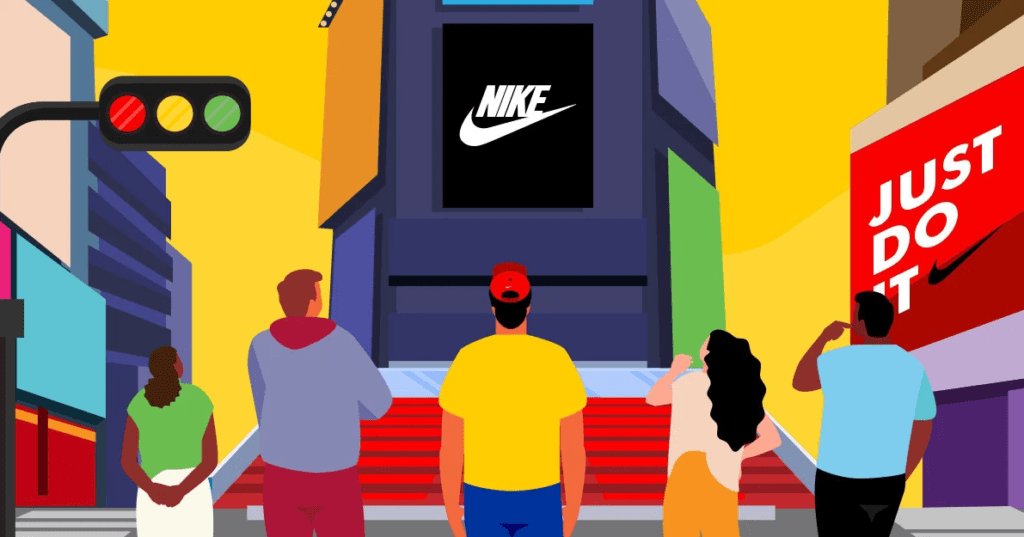
Nike, the globally recognized sportswear giant, has evolved from its humble beginnings to become a leader in athletic apparel and footwear. In recent years, facing a competitive market and shifting consumer demographics, Nike refined its audience targeting to better connect with diverse consumer segments—ranging from professional athletes to everyday fitness enthusiasts.
Strategy for Audience Targeting
Nike adopted a multi-channel approach backed by advanced data analytics. The company segmented its audience based on demographics (age, gender, income), psychographics (lifestyle, interests), and behavior (purchase frequency, brand engagement). For example, Nike’s targeted campaigns for its women’s division included personalized messaging and product innovation, such as the “Dream Crazy” campaign that celebrated female athleticism with specific visuals and inspiring narratives.
Key elements of Nike’s strategy included:
–Data-Driven Segmentation: Using analytics to identify niche segments within a broad market.
–Multi-Channel Outreach: Integrating digital channels (social media, email, mobile apps) with traditional sponsorships and influencer endorsements.
–Personalized Content: Crafting messages that resonate with each segment, such as campaigns emphasizing empowerment for women and performance for serious athletes.
–Agile Campaign Optimization: Continuously monitoring performance metrics to tweak messaging and creative content in real time.
Results
Nike’s refined targeting strategy led to remarkable improvements:
-A significant increase in online engagement—up by over 35% during key campaign periods.
-Sales growth saw a boost of approximately 25% in targeted product lines.
-Enhanced brand loyalty and positive media sentiment reinforced Nike’s market leadership.
These results not only reaffirmed Nike’s ability to connect with its audience but also set a benchmark for effective digital audience targeting.
Case Study 2: Netflix – Transforming Digital Marketing
Background
Netflix began as a DVD rental service and has since evolved into a global streaming powerhouse. Confronted with the challenges of transitioning from physical rentals to on-demand streaming, Netflix needed to overhaul its marketing approach to engage a digitally savvy and diverse audience worldwide.
Strategy for Audience Targeting
Netflix transformed its digital marketing by adopting a data-driven, customer-centric approach:
–Personalization Through Analytics: Netflix utilizes advanced algorithms to track viewing habits and preferences. This data fuels its recommendation system, ensuring that content is hyper-personalized for each user.
–A/B Testing and Iteration: The company continuously tests various content strategies and user interfaces to maximize viewer engagement and retention.
–Cross-Platform Integration: By combining social media engagement, email marketing, and native app experiences, Netflix delivers a smooth viewing experience that caters to a global audience.
–Innovative Content Formats: Initiatives like interactive storytelling and dynamic thumbnails are used to create a more engaging, “gamified” browsing experience that sets Netflix apart from traditional broadcasters.
Results
Netflix’s strategic digital transformation has driven outstanding outcomes:
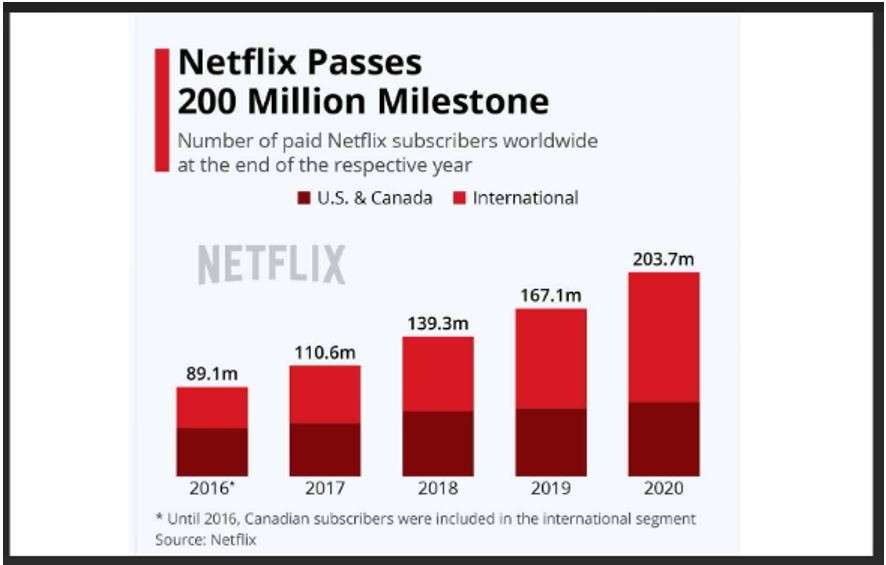
-Subscriber growth soared to over 220 million globally, with significant gains in international markets.
-Enhanced personalization led to increased average viewing times and higher retention rates.
-Revenue growth accelerated dramatically—from $5.5 billion in 2014 to nearly $25 billion in 2020—underscoring the success of its digital marketing overhaul. These results illustrate how using data and innovative digital marketing techniques can transform a brand’s engagement with its audience.
Key Lessons Learned related to Audience Targeting
From these case studies, several key takeaways emerge:
–Use Data for Deeper Insights: Reliable analytics allow brands to understand customer behavior and tailor messaging effectively.
–Embrace Multi-Channel Strategies: Integrating digital and traditional channels ensures a comprehensive reach and reinforces brand messaging.
–Personalization is Crucial: Customizing content to meet the unique needs of each audience segment drives higher engagement and conversion.
–Continuous Optimization: Agile campaign management enables brands to adjust strategies in real time, ensuring sustained success in dynamic markets.
How to Apply These Insights to Your Marketing Strategy
To replicate similar successes:
–Invest in Analytics Tools: Implement platforms that offer real-time data insights to understand and segment your audience.
–Develop Detailed Customer Personas: Use your data to create profiles that capture customer demographics, interests, and behaviors.
–Design Specific Campaigns: Craft messages and offers for each persona, ensuring relevance across channels.
–Integrate Across Platforms: Ensure your digital marketing is cohesive, from social media to email to in-app experiences.
–Test and Optimize: Use A/B testing and performance metrics to refine campaigns continuously.
Conclusion
The journeys of Nike and Netflix illustrate the transformative power of targeted marketing and digital innovation. Nike’s success in reaching diverse consumer segments and Netflix’s overhaul of its digital marketing approach underscore that understanding your audience—and then reaching them where they are—can lead to exceptional results. Whether you’re refining your audience targeting or transforming your digital strategy, these case studies provide actionable insights to improve your marketing efforts.
FAQs
What is audience targeting?
Audience targeting is the process of segmenting consumers based on their demographics, behaviors, and interests to deliver more relevant marketing messages.
How do case studies help improve audience targeting strategies?
Case studies offer real-world examples and actionable insights that demonstrate effective strategies and lessons learned, enabling marketers to refine their own approaches.
What are the key metrics to evaluate the success of audience targeting?
Key metrics include click-through rates, conversion rates, customer lifetime value, and overall return on investment, which indicate how effectively a campaign reaches its intended audience.
At Balistro, we specialize in helping businesses grow through effective digital marketing strategies. From Google Ads to Meta Ads, we deliver data-driven campaigns that maximize your ROI and drive real results. If you’re looking to boost your online presence, generate leads, or scale your e-commerce business, our expert team is here to help. Contact us today to learn more about how we can support your advertising needs!
Ready to Grow Your Business?
Book a free 30-minute strategy call with Balistro. We’ll audit your marketing and show you exactly where your biggest growth opportunities are.
Why Strategic Digital Marketing Is Essential for Business Growth in India
India’s digital advertising market is projected to reach ₹62,000 crore by 2026, growing at 25% CAGR (Source: Dentsu Digital Report). This explosive growth means more businesses are competing for digital attention than ever before. Without a strategic digital marketing approach, brands risk being invisible to their target audience.
The most successful brands in India’s digital market don’t rely on a single channel — they build integrated marketing ecosystems. Brands using 3+ digital channels see 287% higher purchase rates than single-channel campaigns (Source: Omnisend). This multi-channel approach, when executed strategically, creates multiple touchpoints throughout the customer journey.
For D2C and B2B brands specifically, digital marketing has become the primary growth driver. With 78% of Indian businesses increasing their digital marketing budgets in 2025, competitive demands not just presence but excellence across search, social, email, and content channels.
Building an Integrated Digital Marketing Strategy
- Customer Research & Persona Development: Start with deep customer research — analyze your existing customer data, conduct surveys, review search queries, and study competitor audiences. Build detailed buyer personas including demographics, pain points, digital behavior, and preferred content formats.
- Channel Strategy & Prioritization: Not every channel is right for every business. D2C brands should prioritize Meta Ads, Google Shopping, email marketing, and SEO. B2B brands focus on Google Search, LinkedIn, content marketing, and email nurturing. Start with 2-3 core channels and expand based on data.
- Content Strategy & Calendar: Develop a content strategy that supports every stage of the funnel — awareness (blog posts, social content), consideration (case studies, comparison guides), and decision (product pages, testimonials). Create a monthly content calendar with themes aligned to business goals and seasonal opportunities.
- Paid Media Strategy: Structure paid campaigns by funnel stage with appropriate budgets. Allocate 40% to prospecting (awareness), 30% to remarketing (consideration), and 30% to conversion campaigns. Use cross-channel remarketing to nurture prospects across platforms.
- Measurement & Optimization: Implement comprehensive tracking across all channels. Build a unified dashboard that shows the complete customer journey. Use data to continuously optimize — shift budget to top-performing channels, refine targeting, and improve creative based on performance insights.
Digital Marketing Mistakes That Stunt Business Growth
- No clear strategy or goals: Running ads and posting content without a coherent strategy wastes budget and effort. Define specific, measurable goals for each channel — traffic, leads, revenue — and build campaigns that directly support those objectives.
- Channel silos: Running each marketing channel independently creates disconnected customer experiences and misses cross-channel optimization opportunities. Integrate your channels so email supports paid media, content supports SEO, and social supports brand building in a cohesive ecosystem.
- Chasing trends over fundamentals: New platforms and tactics are exciting, but sustainable growth comes from mastering fundamentals — compelling messaging, strong offers, excellent landing pages, and data-driven optimization. Build a strong foundation before experimenting with emerging channels.
- Underinvesting in retention: Most brands overspend on acquisition and underinvest in retention. Retaining existing customers costs 5-7x less than acquiring new ones. Build email automation, loyalty programs, and post-purchase experiences that maximize customer lifetime value.
- Not investing in brand: Performance marketing drives immediate results, but brand building creates long-term competitive advantage. Strong brands enjoy higher conversion rates, lower acquisition costs, and greater pricing power. Allocate at least 20-30% of marketing budget to brand-building activities.
Frequently Asked Questions
How much should a small business spend on digital marketing in India?
Small businesses in India should allocate 7-15% of revenue to digital marketing, with a minimum of ₹25,000-50,000 per month for meaningful impact. Start with the channels most likely to drive immediate revenue — Google Ads for intent-based traffic and social media ads for awareness — then expand as you see returns.
What is the most effective digital marketing channel for B2B?
For B2B companies in India, Google Search Ads and LinkedIn are typically the most effective channels for lead generation. Content marketing and SEO build long-term authority and organic lead flow. Email marketing nurtures leads through longer B2B sales cycles. The optimal mix depends on your industry, target audience, and sales process.
How do I measure digital marketing success?
Measure success against your business objectives: revenue growth, customer acquisition cost (CAC), return on ad spend (ROAS), organic traffic growth, conversion rates, and customer lifetime value (CLV). Avoid vanity metrics like impressions or followers unless they directly correlate with business outcomes. Set up proper attribution to understand which channels drive real results.
Ready to Grow Your Business?
At Balistro Consultancy, we help D2C and B2B brands achieve measurable marketing results through data-driven strategies. Whether you need Google Ads management, Facebook advertising, SEO services, or email marketing, our team of certified specialists is ready to help you grow.
Book a free consultation call to discuss your marketing goals and discover how Balistro can drive real results for your brand.