
Brands that post consistently on social media outperform those that post reactively — every single time. But consistency doesn’t mean posting randomly. It means having a strategic plan: what you post, where you post it, how often, and for what purpose.
A social media content calendar solves the biggest challenge every brand faces: ‘What do we post today?’ This guide gives you the framework to plan a month of content in one day and build a sustainable content engine for your brand.

Why Random Posting Kills Your Social Media Growth
Posting without a plan leads to: last-minute scrambling that produces low-quality content, inconsistent brand voice and visual identity, missed opportunities to align content with launches/seasons/trends, over-posting promotional content and alienating your audience, and no data to learn from because there’s no pattern to analyse.
A content calendar fixes all of these by forcing strategic thinking upfront — so execution becomes mechanical.
Step 1: Choose Your Platforms Strategically
Don’t try to be everywhere. Each platform requires different content formats, different posting frequencies, and different audience mindsets. Focus on 2-3 platforms max. Selection framework:
- Instagram: Visual products, lifestyle brands, D2C, fashion, food, fitness — B2C focused
- LinkedIn: B2B services, professional services, thought leadership, hiring — business decision-makers
- Facebook: Community building, local businesses, 25-45 age group in India, running ads
- YouTube: Long-form education, product deep dives, tutorials — high intent audience
- X (Twitter): News-adjacent brands, tech, commentary, real-time engagement
Step 2: Define Your Content Pillars
Content pillars are 4-5 core themes your brand consistently covers. Everything you post fits under one of these pillars — giving your content a coherent identity. Example pillars for a digital marketing agency:
- Educational tips (marketing tutorials, how-tos, explainers)
- Case studies and results (client wins, before/after data)
- Industry insights (trends, news commentary)
- Behind-the-scenes (team, culture, process)
- Promotional (service highlights, offers, partnerships)
Step 3: Set the Right Content Mix
Follow the 70-20-10 rule: 70% value content (educational, entertaining, inspiring — no direct sale), 20% brand content (personality, behind-the-scenes, culture), 10% promotional (direct product/service pitches, offers, CTAs). Most brands get this backwards — too much promotional content, not enough value. Value content builds the trust that makes promotional content convert.
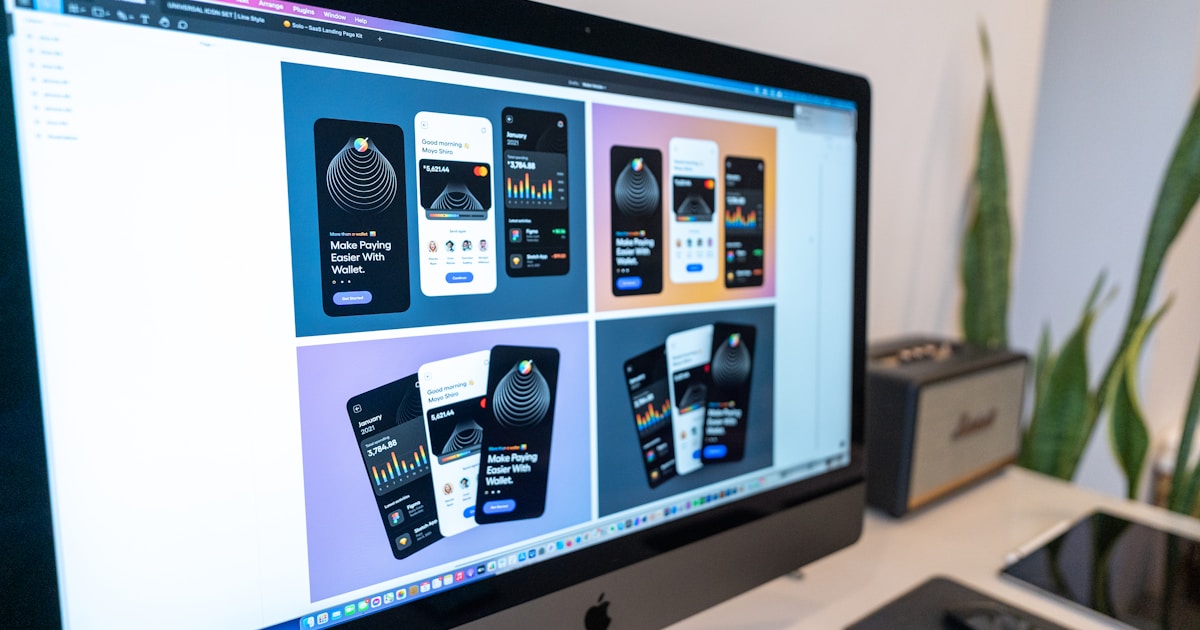
Step 4: Plan Your Monthly Calendar
Use this monthly planning framework: Week 1: review previous month’s top-performing content (replicate what worked), Week 2-3: standard pillars rotation (educational, brand, engagement), Week 4: push promotional content while audience is warm from 3 weeks of value delivery.
Monthly calendar template columns: Date | Platform | Pillar | Format (Reel/Carousel/Static/Story) | Topic/Caption | Hashtags | Creative (image/video file name) | Status (Draft/Approved/Scheduled/Published). Use Google Sheets, Notion, or tools like Buffer or Hootsuite.
Step 5: Batch Create and Schedule
Pick one day per week (or per month for smaller teams) for content creation. Batch filming: film 5-10 Reels in one session with outfit/background changes. Batch design: use Canva templates to quickly produce 10-15 carousels/statics. Batch captions: write all captions in one focused writing session. Then use a scheduling tool (Buffer, Later, or Meta Business Suite for free) to schedule everything at once.
Content Repurposing: One Idea, Many Formats
A single insight can become: a LinkedIn post → Instagram carousel → Instagram Reel → email newsletter section → YouTube Short → blog post. This is how small teams consistently produce high-volume content without burning out. Build a repurposing step into every content creation workflow.
Ready to Grow Your Business?
At Balistro Consultancy, we help Indian brands build effective social media and digital marketing strategy systems that deliver measurable results. Talk to our team today — free first consultation.
Why Content Marketing Is the Foundation of Digital Growth
Content marketing generates 3x more leads per dollar spent compared to traditional marketing (Source: DemandMetric). Companies that maintain active blogs generate 67% more leads than those that don’t (Source: HubSpot). In the age of AI search and answer engines, high-quality content is also the primary way brands get cited in AI-generated responses.
For Indian businesses, content marketing serves multiple strategic purposes: it drives organic search traffic through SEO, establishes brand expertise and E-E-A-T signals, nurtures prospects through the buyer journey, and provides fuel for social media and email marketing channels. A strong content strategy amplifies the effectiveness of every other marketing channel.
The evolution of AI content tools has made production faster, but it has also raised the quality bar. Google’s Helpful Content Update rewards original, expert-driven content that provides genuine value. Brands that invest in truly helpful, experience-backed content are winning in both traditional search and AI-powered search engines.
Building a Content Marketing Strategy That Drives Results
- Keyword & Topic Research: Use tools like Ahrefs, SEMrush, or Google Keyword Planner to identify topics your audience is actively searching for. Map topics to buyer journey stages — informational queries for awareness, comparison queries for consideration, and transactional queries for decision stage.
- Content Calendar Development: Plan content 30-90 days ahead with a mix of formats: blog posts (2-4 per week), long-form guides (1-2 per month), case studies (1-2 per quarter), infographics, and video content. Align content themes with business goals, seasonal trends, and campaign schedules.
- Quality-First Content Creation: Every piece of content should be comprehensive, original, and genuinely helpful. Include real data, expert insights, practical examples, and actionable recommendations. Aim for content that is the best resource available on the topic — not just another surface-level article.
- Distribution & Promotion: Great content needs distribution. Share across social media, include in email newsletters, repurpose into different formats, and build internal links from related pages. For high-value content, invest in paid promotion to reach wider audiences.
- Performance Tracking & Iteration: Track content performance through organic traffic, time on page, scroll depth, social shares, and conversion metrics. Identify top-performing content patterns and create more of what works. Update and refresh existing content quarterly to maintain relevance and rankings.
Content Marketing Mistakes That Waste Time and Budget
- Publishing thin, low-value content: In 2026, quality decisively beats quantity. One comprehensive, expert-driven article outperforms ten shallow posts. Focus on creating content that thoroughly answers user questions and provides insights competitors don’t offer.
- Ignoring search intent: Creating content that doesn’t match what users actually want when they search leads to high bounce rates and low rankings. Study the top-ranking content for your target keywords and ensure your content satisfies the same (or better) user intent.
- No content distribution strategy: Publishing content without promoting it is like opening a store with no signs. Build a systematic distribution process across email, social media, and paid channels to ensure every piece of content reaches its intended audience.
- Not repurposing content: A single blog post can become a LinkedIn article, Instagram carousel, email newsletter, YouTube video, and podcast episode. Brands that repurpose content across formats get 3-5x more value from every piece they create.
- Forgetting the CTA: Every piece of content should guide readers toward a next step — subscribing to a newsletter, downloading a resource, requesting a consultation, or exploring a service page. Without clear CTAs, content drives awareness but not conversions.
Frequently Asked Questions
How often should I publish blog content?
For most businesses, 2-4 quality blog posts per week is optimal for building organic traffic. However, quality always trumps quantity — one comprehensive, well-researched article per week is better than daily thin content. Consistency matters more than volume, so establish a sustainable publishing cadence you can maintain long-term.
How long should a blog post be for SEO?
The optimal blog post length for SEO in 2026 is 1,800-2,500 words for most topics. Longer content tends to rank better because it covers topics more comprehensively. However, the best length is whatever it takes to thoroughly cover the topic — some subjects require 3,000+ words while others are best served by 1,500 focused words. Prioritize depth and value over arbitrary word counts.
Should I use AI to write my blog content?
AI tools like Claude are excellent for accelerating content creation — generating outlines, first drafts, and research summaries. However, the best-performing content combines AI efficiency with human expertise, original insights, and brand voice. Use AI as a productivity tool, not a replacement for genuine expertise and editorial judgment.
Ready to Grow Your Business?
At Balistro Consultancy, we help D2C and B2B brands achieve measurable marketing results through data-driven strategies. Whether you need Google Ads management, Facebook advertising, SEO services, or email marketing, our team of certified specialists is ready to help you grow.
Book a free consultation call to discuss your marketing goals and discover how Balistro can drive real results for your brand.
Social Media Strategy: Building Engaged Communities That Drive Revenue
Social media marketing success in 2026 is measured not by follower counts but by community engagement, brand sentiment, and ultimately revenue attribution. The brands seeing the best results treat social media as a relationship-building channel first and a sales channel second.
Short-form video has become the dominant content format across all major platforms. Instagram Reels, YouTube Shorts, and LinkedIn video content receive significant algorithmic preference, reaching 2-3x more users than static posts. Brands that invest in video production capabilities — even smartphone-quality authentic content — consistently outperform those that rely solely on image and text posts.
Social commerce has matured significantly, with Instagram Shop, Facebook Marketplace, and in-app checkout features enabling frictionless purchasing directly within social platforms. D2C brands that optimize their social commerce presence see 30-40% higher conversion rates from social traffic compared to directing users to external websites.
Influencer marketing has evolved from celebrity endorsements to micro and nano-influencer partnerships that deliver higher engagement rates and more authentic brand advocacy. Micro-influencers (10K-100K followers) typically achieve 3-5x higher engagement rates than macro-influencers, while nano-influencers (1K-10K) offer the highest trust and conversion rates within their niche communities.
Social listening and sentiment analysis have become essential for brand management and competitive intelligence. Monitoring brand mentions, industry conversations, and competitor activity across social platforms provides real-time insights that inform content strategy, product development, and crisis management. Tools like Brandwatch, Sprout Social, and Mention enable systematic social listening at scale.