If you’re serious about growing your career, business, or personal brand, LinkedIn profile optimization is no longer optional it’s essential. With over 1 billion professionals worldwide and recruiters actively searching daily, a well-optimized profile can help you land job opportunities, attract leads, and build meaningful connections.
In this blog, we’ll cover LinkedIn hacks, keyword strategies, content tips, and proven steps to improve your LinkedIn visibility and get more connections.
Why LinkedIn Visibility Matters
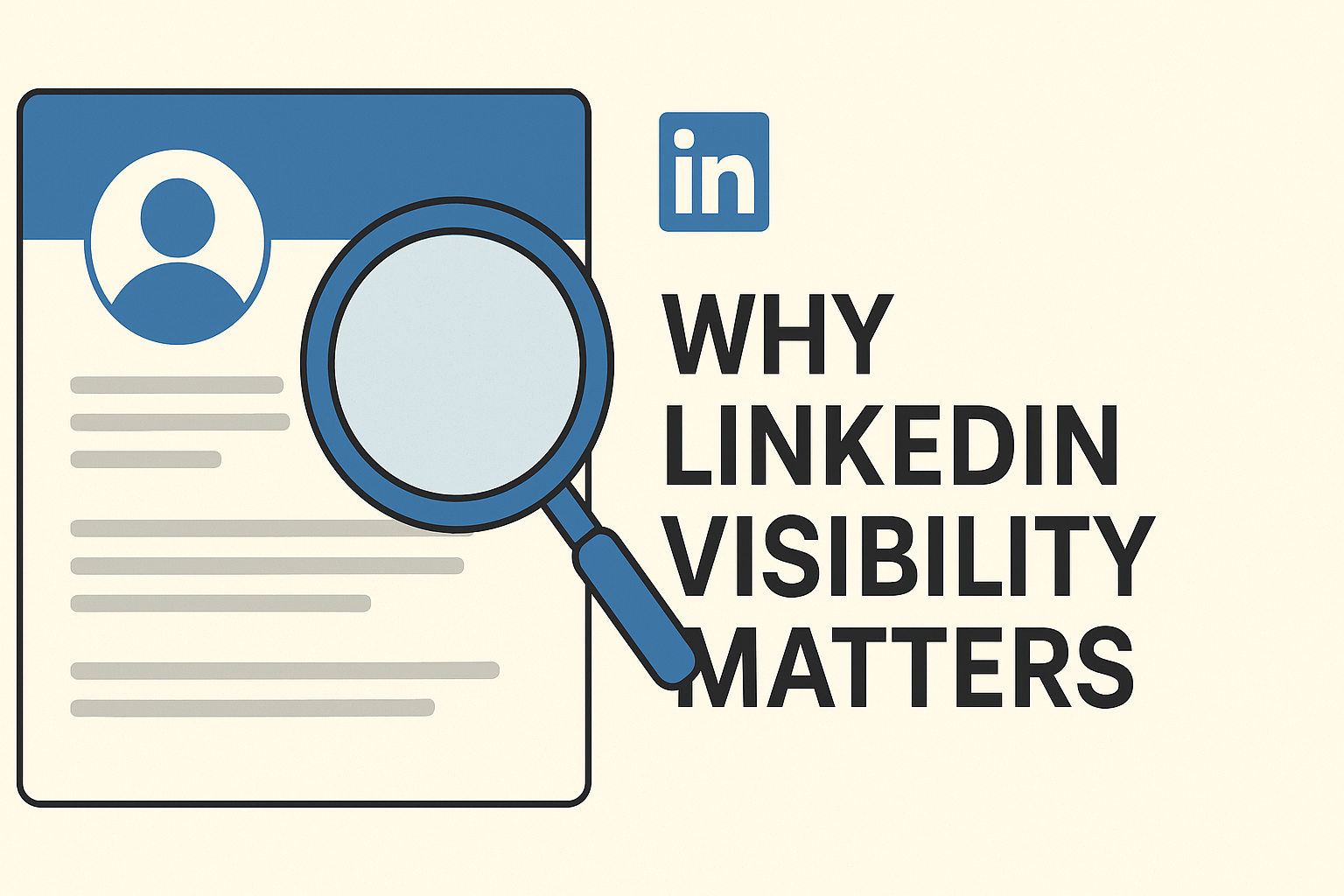
LinkedIn is more than an online resume it’s a search engine for professionals. The platform uses algorithms to rank profiles in searches, just like Google does.
When your profile is optimized:
– Recruiters can find you faster.
– You appear in more search results and suggested connections.
– You gain higher chances of getting job offers, clients, or collaborations.
Think of visibility as the gateway: the more people see your profile, the more opportunities flows in your way.
How to Use Keywords in Your Profile
Just like SEO for websites, LinkedIn SEO tips focus on using the right keywords in the right places. Here’s how you can use both primary and secondary keywords naturally in your profile:
– Headline: Add your role + specialization + benefit. Example: “Digital Marketing Strategist | Helping Startups Scale Through LinkedIn & Paid Ads.”
– About Section: Integrate keywords like LinkedIn profile optimization, improve LinkedIn visibility, or LinkedIn content strategy within storytelling.
– Experience Section: Showcase achievements with keyword-rich descriptions.
– Skills Section: Use specific skills recruiters search for (e.g., SEO, Sales Strategy, Data Analytics).
👉 Pro Tip: Use 3–5 primary keywords throughout your profile without keyword stuffing.
Crafting an Irresistible Headline
Your headline is one of the first things people notice—it decides if they click or scroll past. A good LinkedIn headline should:
– Highlight what you do.
– Show who you help.
– Mention how you create value.
❌ Bad Example: “Marketing Professional.”
✅ Better Example: “Marketing Strategist | Helping SaaS Companies Boost Visibility with SEO & LinkedIn Content.”
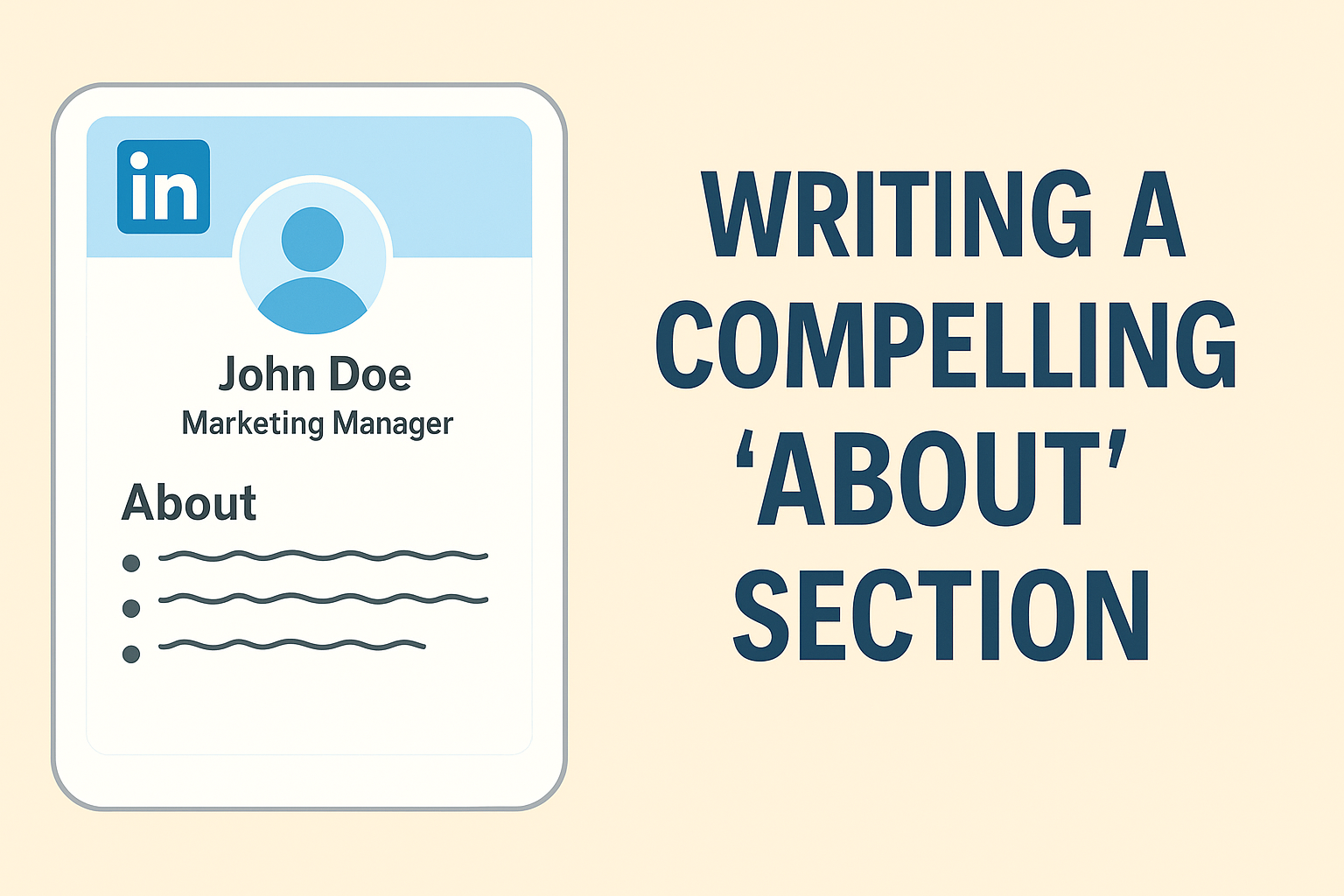
Writing a Compelling “About” Section
The “About” section is your storytelling space. Instead of generic lines, focus on:
– Your unique value proposition.
– Your achievements (with numbers if possible).
– Your personality and vision.
For example:
“I help mid-sized businesses increase their LinkedIn engagement by 40% through customized content strategies and optimized profiles. With over 8 years of digital marketing experience, I’ve worked with startups and Fortune 500s alike.”
This blends credibility, results, and personality while naturally using target keywords like LinkedIn content strategy and improve LinkedIn visibility.
Optimizing Experience & Skills Sections
Your Experience should show more than job titles—it must highlight measurable impact. Use bullet points with action + result.
Example:
– “Increased inbound leads by 45% through a LinkedIn campaign.”
– “Optimized LinkedIn headline and profile content for 20+ clients, improving recruiter visibility.”
In Skills, choose the most relevant and endorse-worthy ones. Pro Tip: Add at least 30 skills—LinkedIn allows up to 50.
Visual & Design Elements: Photo, Banner, Media
Your visuals create the first impression. Here’s how to get it right:
– Profile Photo: Use a professional, high-quality picture with good lighting.
– Cover Banner: Add a banner that reflects your work (e.g., tagline, brand message).
– Featured Media: Showcase your best work presentations, blogs, or case studies.
Remember, people are 14x more likely to view profiles with visuals.
Content Strategy: Posting, Engaging, Sharing
Posting regularly builds credibility and improves search visibility. Try this LinkedIn content strategy:
– Share 2–3 posts per week (insights, tips, stories).
– Use industry hashtags (#LinkedInHacks, #MarketingTips).
– Engage with others’ content – comment, react, and message.
Quality content = stronger connections + algorithm boost.
Building Quality Connections Strategically
On LinkedIn, quality matters more than quantity. A network of the right people brings visibility, opportunities, and credibility far faster than thousands of random connections.
– Personalize requests: Skip the default invite. Add a short note like, “Enjoyed your article on LinkedIn SEO would love to connect.”
– Join industry groups: Participate in niche groups to exchange ideas, showcase expertise, and connect with relevant professionals.
– Follow up with value: After connecting, send a quick thank-you or share a helpful resource. It sets the tone for a stronger relationship.
– Engage consistently: Comment on posts, react to updates, and congratulate milestones. These small actions keep you visible.
– Diversify your network: Build a balance of peers, mentors, and industry decision-makers to expand reach and learning opportunities.
– Nurture long-term ties: Networking doesn’t end with one click. Stay in touch periodically share insights or drop a supportive message.
👉 Pro Tip: Dedicate 10–15 minutes daily to networking. Over time, these consistent micro-actions compound into stronger visibility and real opportunities.
Using LinkedIn Analytics & Feedback
Don’t guess track your progress. LinkedIn provides analytics like:
– Profile views
– Search appearances
– Post engagement
Use these insights to tweak your strategy. For example, if your search appearances are low, revisit your headline and keywords.
Common Mistakes to Avoid
Many people unknowingly kill their LinkedIn visibility. Avoid these:
– Keyword stuffing (looks spammy).
– Using low-quality or outdated photos.
– Neglecting to post or engage.
– Sending generic connection requests.
Instead, focus on authenticity, consistency, and clarity.
FAQs
1. What is LinkedIn SEO and how does it work?
LinkedIn SEO means optimizing your profile with the right keywords so that recruiters and professionals can find you in search results.
2. How many connections do I need to improve visibility?
There’s no magic number what matters is having quality connections in your industry.
3. How often should I update my LinkedIn profile?
Update your profile every few months, especially Experience and Skills. Keep posting content weekly.
4. Do endorsements and recommendations really help?
Yes, skills endorsements improve search rankings, while recommendations act as social proof that builds trust.
5. What are examples of good LinkedIn headlines?
Example 1: “HR Consultant | Helping Startups Build Winning Teams & Culture.”
Example 2: “Data Analyst | Turning Numbers Into Insights That Drive Business Growth.”
At Balistro, we specialize in helping businesses grow through effective digital marketing strategies. From Google Ads to Meta Ads, we deliver data-driven campaigns that maximize your ROI and drive real results. If you’re looking to boost your online presence, generate leads, or scale your e-commerce business, our expert team is here to help. Contact us today to learn more about how we can support your advertising needs!
Ready to Grow Your Business?
Book a free 30-minute strategy call with Balistro. We’ll audit your marketing and show you exactly where your biggest growth opportunities are.
Why Social Media Marketing Is Essential for Brand Visibility
Social media platforms collectively reach over 500 million users in India, making them the largest audience pool for brand discovery and engagement. For D2C brands, social media is often the first touchpoint in the customer journey — where potential customers discover products through content, ads, influencer recommendations, and peer reviews.
The shift toward short-form video content on platforms like Instagram Reels, YouTube Shorts, and LinkedIn has created new opportunities for brands to reach audiences organically. Video content generates 1200% more shares than text and image content combined (Source: WordStream), making it the most powerful format for building brand awareness and engagement.
Beyond brand building, social media platforms have evolved into sophisticated advertising ecosystems. Meta’s advanced targeting capabilities, LinkedIn’s professional audience data, and YouTube’s intent-based targeting allow brands to reach precisely the right audience at every stage of the buyer journey. Brands that master both organic and paid social media create a powerful growth flywheel.
Building an Effective Social Media Strategy
- Platform Selection: Choose platforms where your target audience is most active. D2C brands: Instagram, Facebook, YouTube. B2B brands: LinkedIn, YouTube, Twitter/X. Don’t spread too thin — it’s better to excel on 2-3 platforms than be mediocre on 5-6.
- Content Pillars & Calendar: Define 4-5 content pillars that align with your brand expertise and audience interests. Create a content calendar mixing educational content (40%), entertaining/engaging content (30%), promotional content (20%), and user-generated content (10%). Plan content batches weekly for efficient production.
- Community Building: Social media is a two-way channel. Respond to comments promptly, engage with your audience’s content, participate in relevant conversations, and build genuine relationships. Brands with active community management see 3-5x higher engagement rates.
- Paid Social Strategy: Complement organic efforts with targeted paid campaigns. Use lookalike audiences based on your best customers, retarget website visitors and engagers, and test new audience segments regularly. Start with ₹500-1000/day per platform and scale based on results.
- Analytics & Optimization: Track engagement rate, reach, link clicks, and conversion metrics. Identify top-performing content types and posting times. A/B test content formats, copy styles, and CTAs. Optimize based on data, not assumptions about what your audience wants.
Social Media Mistakes That Hurt Your Brand
- Inconsistent posting: Irregular posting signals an inactive brand and hurts algorithmic visibility. Establish a consistent posting schedule — 3-5 times per week for Instagram, 2-3 times for LinkedIn, daily for Twitter — and stick to it using scheduling tools.
- Only posting promotional content: Followers unfollow brands that only sell. Follow the 80/20 rule: 80% of content should educate, entertain, or inspire, and only 20% should be directly promotional. Build value first, and your audience will be receptive to offers.
- Ignoring engagement and comments: Social media is social — brands that don’t respond to comments and DMs miss relationship-building opportunities. Engage with your community daily, respond within 2-4 hours, and make followers feel valued.
- Not leveraging video content: Platforms heavily prioritize video content in their algorithms. Brands that avoid video miss the biggest organic reach opportunity available. Start with simple, authentic video content — it doesn’t need to be professionally produced to perform well.
- Buying followers or engagement: Fake followers destroy your engagement rate, damage algorithmic distribution, and erode brand credibility. Focus on building a genuine audience through valuable content and strategic paid promotion. 1,000 real followers are worth more than 100,000 fake ones.
Frequently Asked Questions
How often should I post on social media?
Optimal posting frequency varies by platform: Instagram 3-5 times per week (plus daily Stories), LinkedIn 2-3 times per week, Facebook 3-5 times per week, and Twitter/X 1-3 times per day. Quality and consistency matter more than frequency — it’s better to post 3 excellent posts per week than 7 mediocre ones.
Which social media platform is best for B2B marketing?
LinkedIn is the most effective social media platform for B2B marketing, with 80% of B2B leads from social media coming through LinkedIn. YouTube is valuable for educational content and product demonstrations. Twitter/X works well for thought leadership and industry conversations. For most B2B brands in India, a LinkedIn-first strategy supplemented by YouTube content is the optimal approach.
How do I increase my social media engagement rate?
Improve engagement by: posting consistently at optimal times (use analytics to find when your audience is most active), using a mix of content formats (especially video and carousels), asking questions and encouraging interaction, responding to every comment, using relevant hashtags strategically, and collaborating with other brands and creators in your niche.
Ready to Grow Your Business?
At Balistro Consultancy, we help D2C and B2B brands achieve measurable marketing results through data-driven strategies. Whether you need Google Ads management, Facebook advertising, SEO services, or email marketing, our team of certified specialists is ready to help you grow.
Book a free consultation call to discuss your marketing goals and discover how Balistro can drive real results for your brand.