
In today’s digital-first world, your LinkedIn profile is more than a resume it’s your professional brand. Whether you’re a student, freelancer, job seeker, or business leader, crafting a personal brand on LinkedIn can open doors to countless opportunities. If you’re wondering how to create a personal brand on LinkedIn, you’re in the right place.
Let’s walk through it, step-by-step.
What Is a Personal Brand on LinkedIn?
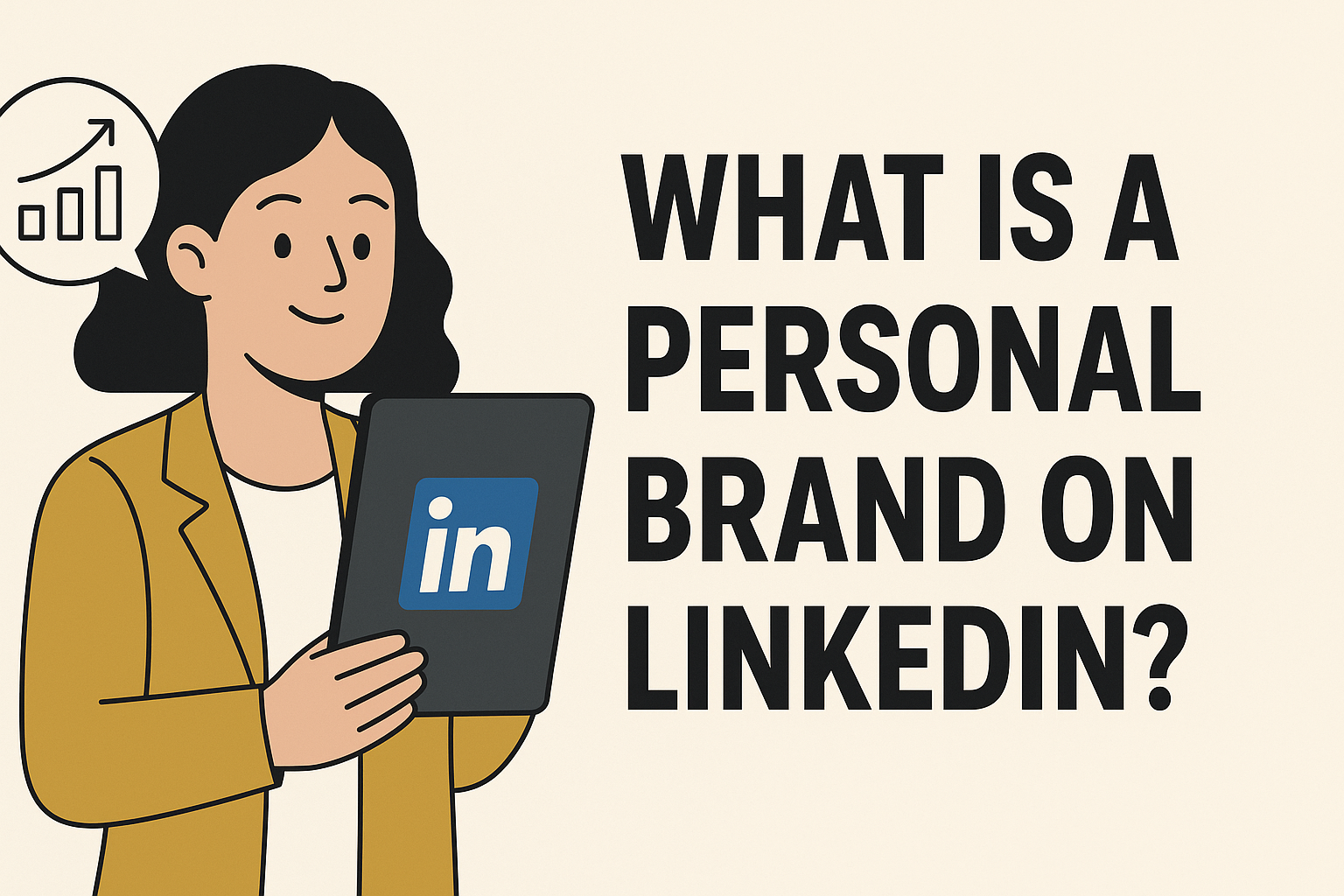
Personal branding on LinkedIn means showcasing who you are, what you do, and what makes you different—all on a professional platform. Think of it as your digital reputation.
For example, if you’re a marketing student passionate about sustainability, your personal brand could reflect your interest in eco-friendly campaigns through your profile, posts, and interactions.
Why You Need a LinkedIn Personal Brand
Still unsure why this matters? Here’s what building a personal brand on LinkedIn can do:
– Boost Visibility: Show up in recruiter and connection searches
– Network Efficiently: Attract like-minded professionals and mentors
– Unlock Opportunities: Get discovered for jobs, freelance gigs, or collaborations
– Position Yourself as a Thought Leader: Share opinions and insights in your niche
Whether you’re a fresher or a seasoned expert, a LinkedIn personal brand sets you apart.
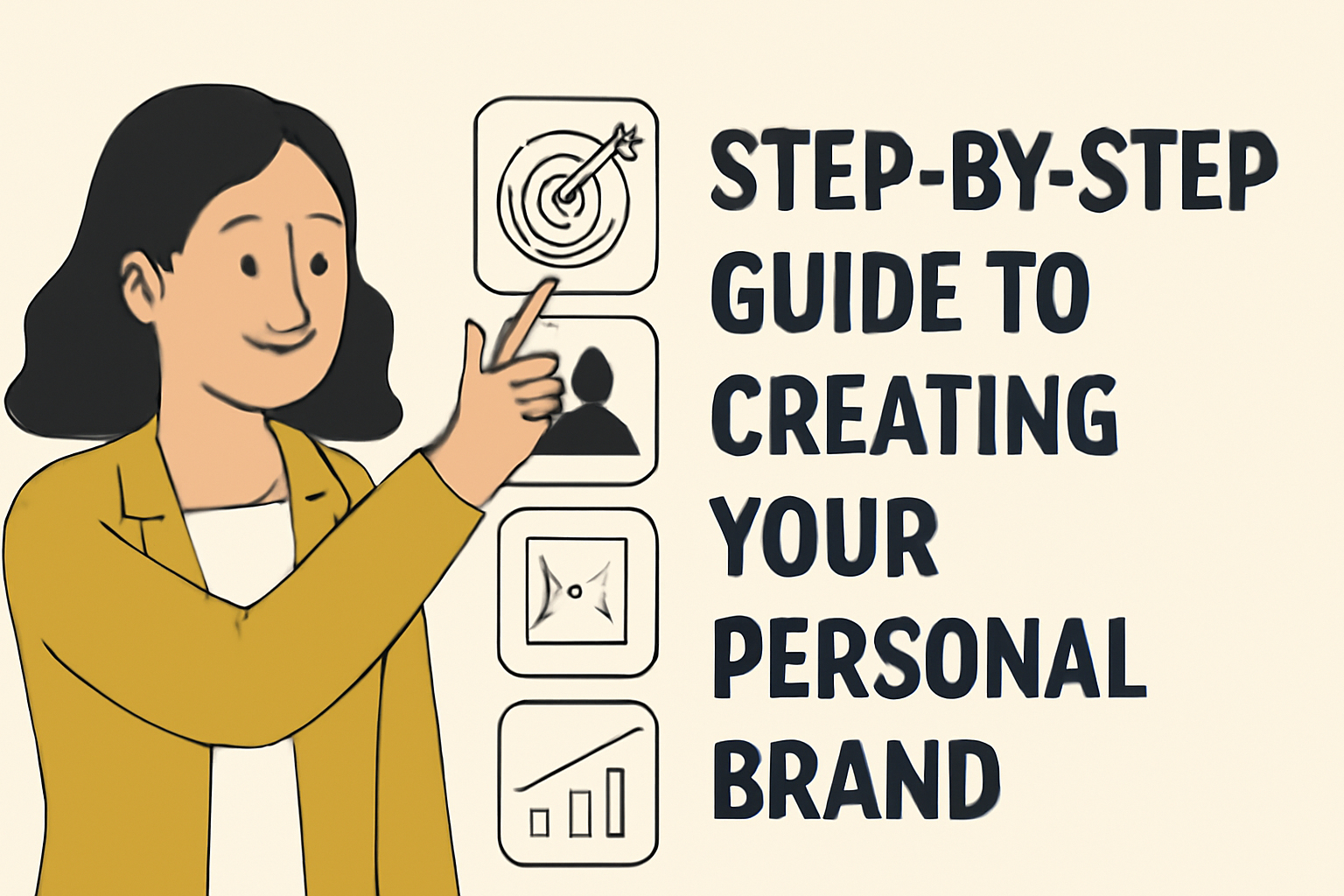
Step-by-Step Guide to Creating Your Personal Brand
Here’s how to create a powerful personal brand on LinkedIn, even if you’re starting from scratch:
1. Use a Professional Profile Photo
Choose a high-quality headshot with a clean background. A smile always helps!
2. Write a Strong Headline
Instead of just “Student at XYZ College,” try “Marketing Student | Passionate about Sustainable Branding & Digital Strategy.”
Use this formula: [Your Role] | [Area of Expertise] | [Unique Skill or Passion]
3. Create a Custom Banner Image
Design a banner on tools like Canva that reflects your interests, career goals, or brand colors.
4. Craft a Compelling ‘About’ Section
Tell your story briefly. Highlight what drives you, your skills, and what you’re looking for. Use keywords like “LinkedIn personal brand” and “professional branding LinkedIn” naturally.
Example:
“As a tech enthusiast with a love for clean UI and impactful design, I’m focused on building digital experiences that delight users…”
5. List Experience, Education & Skills
Keep it real and relevant. Highlight internships, volunteering, and part-time work with impact-oriented bullet points. Don’t forget to include LinkedIn skills for freshers that match your industry.
6. Use a Content Strategy
Share weekly content:
– Insights from your industry
– Learnings from courses
– Celebrating wins and milestones
Post regularly to stay visible and build trust.
Tips to Optimize Your LinkedIn Profile
Use these LinkedIn profile tips to further boost your branding game:
– Add a custom URL (e.g., linkedin.com/in/yourname)
– Ask for skill endorsements and recommendations
– Join and participate in relevant groups
– Pin your best posts or projects using the Featured section
Use tools like Grammarly to make your profile content polished and error-free
Real-World LinkedIn Branding Strategy Examples
Here are a few simple but effective LinkedIn branding strategies from real users:
– Neha Sharma, Data Analyst (Fresher): Shared weekly Tableau dashboards, engaged in analytics groups landed a remote internship in 3 months.
– Ravi Mehta, Freelance Graphic Designer: Regularly posts before-after design projects, using trending hashtags. Grew inbound leads via DMs.
– Ananya Gupta, HR Professional: Writes about workplace culture, DEI topics, and resume tips—now seen as a go-to person in her network.
Take inspiration, but don’t copy. Keep your story original.
Common Mistakes to Avoid While Branding Yourself
Even with good intentions, many profiles fail due to common errors. Here’s what to watch out for:
– Using buzzwords like “hardworking” without showing proof
– Leaving the About section blank or too vague
– Being inconsistent with posts (posting one month, disappearing the next)
– Ignoring visuals like the banner or profile picture
– Not engaging with others remember, it’s social media
Fix these to instantly level up your professional branding on LinkedIn.
Final Thoughts on Building a Personal Brand Online
Creating your personal brand on LinkedIn isn’t a one-time task it’s an ongoing effort. Start with your profile, stay active, share value, and grow connections. Over time, your profile will become a magnet for recruiters, clients, and collaborators.
And remember: You don’t need to be perfect you just need to be visible and authentic.
(FAQs)
1. What does a personal brand on LinkedIn mean?
It refers to how you present your professional identity—your story, skills, and interests—on LinkedIn. It’s the online version of your reputation.
2. How do I build a personal brand on LinkedIn from scratch?
Start by optimizing your profile, connecting with peers, posting content, and engaging with others’ posts. Consistency is key.
3. Is a LinkedIn personal brand only useful for job seekers?
Not at all. It’s equally useful for entrepreneurs, freelancers, and even professionals looking to grow thought leadership.
4. How often should I post on LinkedIn to grow my brand?
Ideally, post 2–3 times a week. This balance keeps you visible without overwhelming your network.
5. What are the best tools to enhance my LinkedIn branding?
– Canva – for banner design
– Grammarly – for profile and content writing
– LinkedIn Analytics – to track post performance
– Hootsuite or Buffer – for scheduling posts
At Balistro, we specialize in helping businesses grow through effective digital marketing strategies. From Google Ads to Meta Ads, we deliver data-driven campaigns that maximize your ROI and drive real results. If you’re looking to boost your online presence, generate leads, or scale your e-commerce business, our expert team is here to help. Contact us today to learn more about how we can support your advertising needs!
Ready to Grow Your Business?
Book a free 30-minute strategy call with Balistro. We’ll audit your marketing and show you exactly where your biggest growth opportunities are.
Why Social Media Marketing Is Essential for Brand Visibility
Social media platforms collectively reach over 500 million users in India, making them the largest audience pool for brand discovery and engagement. For D2C brands, social media is often the first touchpoint in the customer journey — where potential customers discover products through content, ads, influencer recommendations, and peer reviews.
The shift toward short-form video content on platforms like Instagram Reels, YouTube Shorts, and LinkedIn has created new opportunities for brands to reach audiences organically. Video content generates 1200% more shares than text and image content combined (Source: WordStream), making it the most powerful format for building brand awareness and engagement.
Beyond brand building, social media platforms have evolved into sophisticated advertising ecosystems. Meta’s advanced targeting capabilities, LinkedIn’s professional audience data, and YouTube’s intent-based targeting allow brands to reach precisely the right audience at every stage of the buyer journey. Brands that master both organic and paid social media create a powerful growth flywheel.
Building an Effective Social Media Strategy
- Platform Selection: Choose platforms where your target audience is most active. D2C brands: Instagram, Facebook, YouTube. B2B brands: LinkedIn, YouTube, Twitter/X. Don’t spread too thin — it’s better to excel on 2-3 platforms than be mediocre on 5-6.
- Content Pillars & Calendar: Define 4-5 content pillars that align with your brand expertise and audience interests. Create a content calendar mixing educational content (40%), entertaining/engaging content (30%), promotional content (20%), and user-generated content (10%). Plan content batches weekly for efficient production.
- Community Building: Social media is a two-way channel. Respond to comments promptly, engage with your audience’s content, participate in relevant conversations, and build genuine relationships. Brands with active community management see 3-5x higher engagement rates.
- Paid Social Strategy: Complement organic efforts with targeted paid campaigns. Use lookalike audiences based on your best customers, retarget website visitors and engagers, and test new audience segments regularly. Start with ₹500-1000/day per platform and scale based on results.
- Analytics & Optimization: Track engagement rate, reach, link clicks, and conversion metrics. Identify top-performing content types and posting times. A/B test content formats, copy styles, and CTAs. Optimize based on data, not assumptions about what your audience wants.
Social Media Mistakes That Hurt Your Brand
- Inconsistent posting: Irregular posting signals an inactive brand and hurts algorithmic visibility. Establish a consistent posting schedule — 3-5 times per week for Instagram, 2-3 times for LinkedIn, daily for Twitter — and stick to it using scheduling tools.
- Only posting promotional content: Followers unfollow brands that only sell. Follow the 80/20 rule: 80% of content should educate, entertain, or inspire, and only 20% should be directly promotional. Build value first, and your audience will be receptive to offers.
- Ignoring engagement and comments: Social media is social — brands that don’t respond to comments and DMs miss relationship-building opportunities. Engage with your community daily, respond within 2-4 hours, and make followers feel valued.
- Not leveraging video content: Platforms heavily prioritize video content in their algorithms. Brands that avoid video miss the biggest organic reach opportunity available. Start with simple, authentic video content — it doesn’t need to be professionally produced to perform well.
- Buying followers or engagement: Fake followers destroy your engagement rate, damage algorithmic distribution, and erode brand credibility. Focus on building a genuine audience through valuable content and strategic paid promotion. 1,000 real followers are worth more than 100,000 fake ones.
Frequently Asked Questions
How often should I post on social media?
Optimal posting frequency varies by platform: Instagram 3-5 times per week (plus daily Stories), LinkedIn 2-3 times per week, Facebook 3-5 times per week, and Twitter/X 1-3 times per day. Quality and consistency matter more than frequency — it’s better to post 3 excellent posts per week than 7 mediocre ones.
Which social media platform is best for B2B marketing?
LinkedIn is the most effective social media platform for B2B marketing, with 80% of B2B leads from social media coming through LinkedIn. YouTube is valuable for educational content and product demonstrations. Twitter/X works well for thought leadership and industry conversations. For most B2B brands in India, a LinkedIn-first strategy supplemented by YouTube content is the optimal approach.
How do I increase my social media engagement rate?
Improve engagement by: posting consistently at optimal times (use analytics to find when your audience is most active), using a mix of content formats (especially video and carousels), asking questions and encouraging interaction, responding to every comment, using relevant hashtags strategically, and collaborating with other brands and creators in your niche.
Ready to Grow Your Business?
At Balistro Consultancy, we help D2C and B2B brands achieve measurable marketing results through data-driven strategies. Whether you need Google Ads management, Facebook advertising, SEO services, or email marketing, our team of certified specialists is ready to help you grow.
Book a free consultation call to discuss your marketing goals and discover how Balistro can drive real results for your brand.
Social Media Strategy: Building Engaged Communities That Drive Revenue
Social media marketing success in 2026 is measured not by follower counts but by community engagement, brand sentiment, and ultimately revenue attribution. The brands seeing the best results treat social media as a relationship-building channel first and a sales channel second.
Short-form video has become the dominant content format across all major platforms. Instagram Reels, YouTube Shorts, and LinkedIn video content receive significant algorithmic preference, reaching 2-3x more users than static posts. Brands that invest in video production capabilities — even smartphone-quality authentic content — consistently outperform those that rely solely on image and text posts.
Social commerce has matured significantly, with Instagram Shop, Facebook Marketplace, and in-app checkout features enabling frictionless purchasing directly within social platforms. D2C brands that optimize their social commerce presence see 30-40% higher conversion rates from social traffic compared to directing users to external websites.
Influencer marketing has evolved from celebrity endorsements to micro and nano-influencer partnerships that deliver higher engagement rates and more authentic brand advocacy. Micro-influencers (10K-100K followers) typically achieve 3-5x higher engagement rates than macro-influencers, while nano-influencers (1K-10K) offer the highest trust and conversion rates within their niche communities.
Social listening and sentiment analysis have become essential for brand management and competitive intelligence. Monitoring brand mentions, industry conversations, and competitor activity across social platforms provides real-time insights that inform content strategy, product development, and crisis management. Tools like Brandwatch, Sprout Social, and Mention enable systematic social listening at scale.