
Introduction
In today’s competitive B2B landscape, knowing how to generate leads from LinkedIn can transform your sales funnel and accelerate revenue growth. With over 900 million professionals worldwide, LinkedIn offers unparalleled access to decision-makers across industries. Whether you’re a startup looking to make your mark or an established enterprise aiming to scale, mastering LinkedIn lead generation is no longer optional, it’s essential.
In this comprehensive guide, we’ll walk you through seven proven LinkedIn lead gen strategies that combine organic marketing, paid LinkedIn Ads lead generation, and sales tools like Sales Navigator. From optimizing your company page to nurturing conversations in Groups & Events, each tactic is designed to help you generate leads from LinkedIn at scale and with measurable ROI.
Why LinkedIn Outperforms Other Platforms
LinkedIn is uniquely positioned for B2B lead generation. LinkedIn’s user base is composed of business professionals, making it easier to target decision-makers and influencers. Unlike other social networks focused on personal updates or entertainment, LinkedIn fosters a professional environment where users expect to engage with industry insights, whitepapers, and case studies.
Key Advantages:
Targeting Precision: Advanced filters let you reach audiences by industry, job title, company size, and more.
High Intent: Users visit LinkedIn to network and stay informed, which means they’re primed for business conversations.
Credibility & Authority: A well-optimized profile and company page build trust, increasing the likelihood that prospects respond to outreach.
By focusing on LinkedIn lead generation, marketers can tap into a pool of high-quality prospects, leading to more efficient B2B lead generation LinkedIn campaigns with lower cost-per-lead (CPL) than broad-based social media advertising.
Optimize Your Company Page
Your LinkedIn Company Page is often the first touchpoint in your lead generation journey. An optimized page not only attracts followers but also turns visitors into leads.
Best Practices:
1. Compelling Banner & Logo: Use high-resolution images that align with your brand’s identity.
2. Keyword-Rich Description: Naturally sprinkle “generate leads from LinkedIn,” “LinkedIn lead generation,” and secondary keywords like “LinkedIn lead gen strategies” in your company overview.
3. Showcase Pages: Create niche sub-pages to highlight specific products or verticals.
4. Regular Updates: Post industry insights, client success stories, and product announcements at least twice a week to keep your audience engaged.
By optimizing your company page, you create a hub for prospects to learn about your offerings and establish credibility essential steps to generate leads from LinkedIn organically.
Content Marketing for Lead Gen
Content remains king when it comes to LinkedIn lead generation. High-value posts attract attention and drive engagement, laying the groundwork for meaningful conversations.
Types of Content:
–Thought Leadership Articles: Publish long-form posts on LinkedIn Pulse to showcase expertise. Include calls-to-action prompting readers to download gated assets.
–Short Updates & Carousels: Share bite-sized tips and slide decks that tease in-depth content hosted on your website or landing page.
–Native Video: Host interviews with industry leaders or product demos. Video posts often see twice the engagement of text-only updates.
Content Promotion Tips:
-Promote your best performing posts with a small LinkedIn Ads lead generation budget to boost visibility.
-Tag relevant employees or external experts to amplify reach through their networks.
Leveraging content effectively builds authority and keeps your brand top-of-mind—crucial elements when prospects decide which vendors to consider.
Running LinkedIn Ads (Sponsored Content)
Paid campaigns can accelerate your LinkedIn lead gen strategies by putting your message in front of precisely targeted audiences.
Ad Formats:
1. Sponsored Content: Native in-feed ads that blend seamlessly with organic posts.
2. Sponsored InMail: Personalized messages delivered directly to inboxes.
3. Text Ads & Dynamic Ads: Cost-effective options for brand awareness and traffic.
Budgeting & Bidding:
–Industry Benchmarks: B2B Cpl on LinkedIn averages between $50–$150, with ROI improving at scale.
–Daily Budget Recommendations: Start with $50–$100/day to test ad creatives and audiences. Monitor CPL and adjust bids accordingly.
Creative Best Practices:
-Use eye-catching visuals and concise headlines.
-Incorporate clear calls-to-action like “Download the Guide” or “Book a Demo”.
-A/B test ad copy variations to optimize performance.
With a strategic mix of ad formats and precise targeting, LinkedIn Ads lead generation can yield qualified leads at scale.
Using Sales Navigator Filters
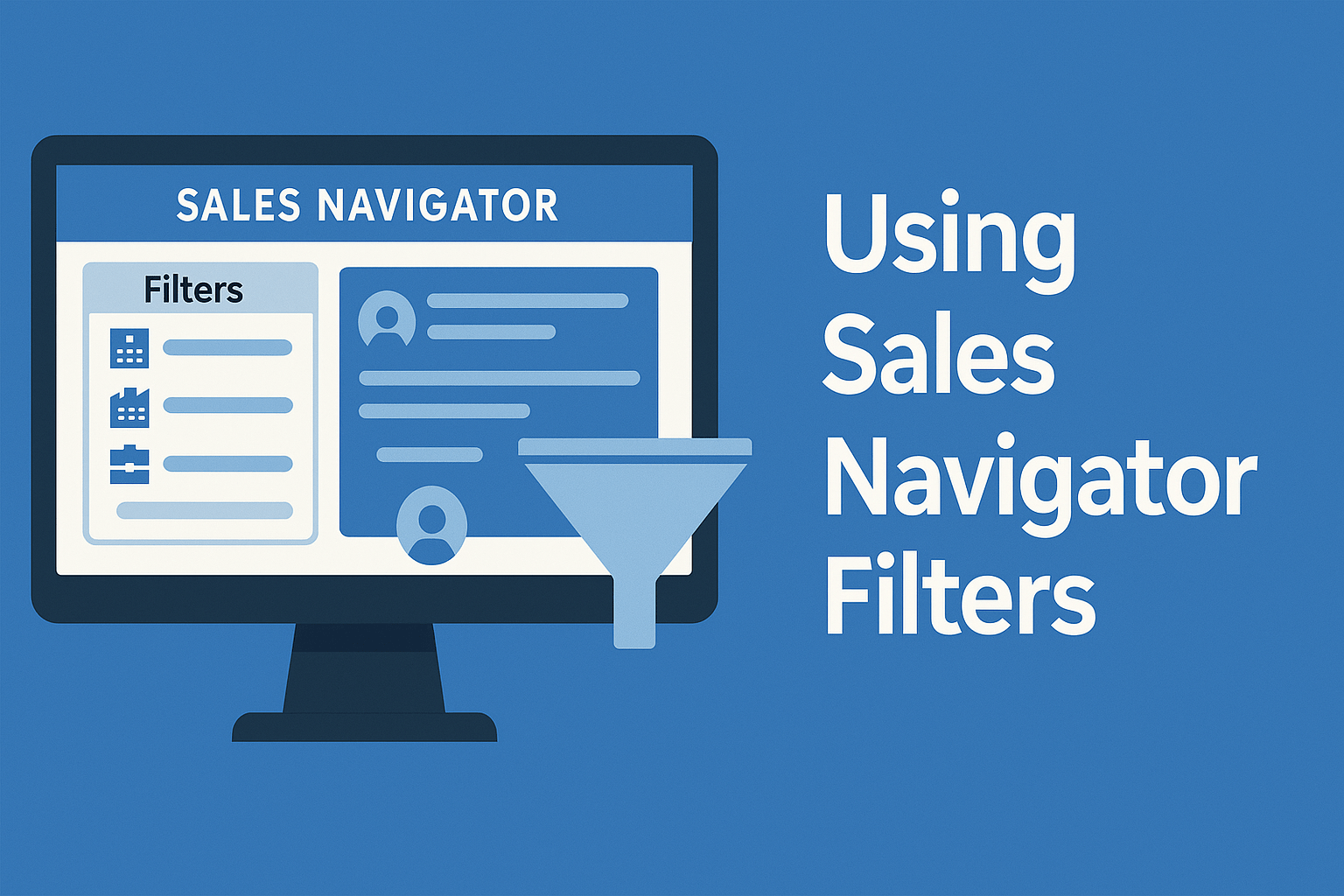
LinkedIn Sales Navigator is a powerhouse for finding high-value prospects. Advanced filters help you zero in on ideal customers based on firmographics, seniority, and buying signals.
Key Filters to Use:
–Seniority Level: Target C-level, VP, or Director titles for decision-makers.
–Company Headcount & Growth: Identify fast-growing companies likely to invest in new solutions.
–Posted Content Keywords: Find prospects who’ve engaged with specific topics, indicating immediate interest.
Best Practices:
1. Save Lead Lists: Organize prospects by campaign or vertical.
2. Use Boolean Logic: Combine keywords and titles with AND/OR for ever-finer targeting.
3. Spot Buying Signals: Monitor job changes or funding announcements to time your outreach.
Sales Navigator seamlessly integrates with CRM platforms like HubSpot or Salesforce, enabling you to track and measure how you generate leads from LinkedIn with full cycle visibility.
Engaging via Groups & Events
Participating in LinkedIn Groups and hosting virtual Events positions you as a community leader and source of valuable insights.
Groups Engagement:
-Join relevant industry groups where your target audience is active.
-Answer questions, share resources, and subtly promote gated assets when appropriate.
-Avoid overt selling; focus on building relationships first.
Hosting Events:
-Create and promote LinkedIn Live sessions, webinars, or roundtables.
-Partner with industry experts to co-host, expanding exposure.
-Collect registrations directly through LinkedIn’s event features to capture leads.
Moderating discussions and providing actionable advice within Groups and Events builds trust, paving the way for one-on-one conversations that drive conversions.
Nurturing Leads Through Messaging
Once you’ve connected with prospects, timely and personalized outreach is crucial for conversion.
Best Practices for Messaging:
1. Personalize: Reference mutual connections, shared interests, or recent content engagement.
2. Value-Driven: Offer case studies, free audits, or exclusive insights tailored to their business goals.
3. Follow-Up Cadence: Implement a sequence of 4–6 touchpoints over 2–3 weeks, using a mix of InMail, connection requests, and email (if available).
Automate follow-ups with tools like LinkedIn Helper or integrate Sales Navigator with your CRM to trigger nurture sequences. Always monitor response rates and refine messaging to improve engagement.
Measuring Success & Optimizing Campaigns
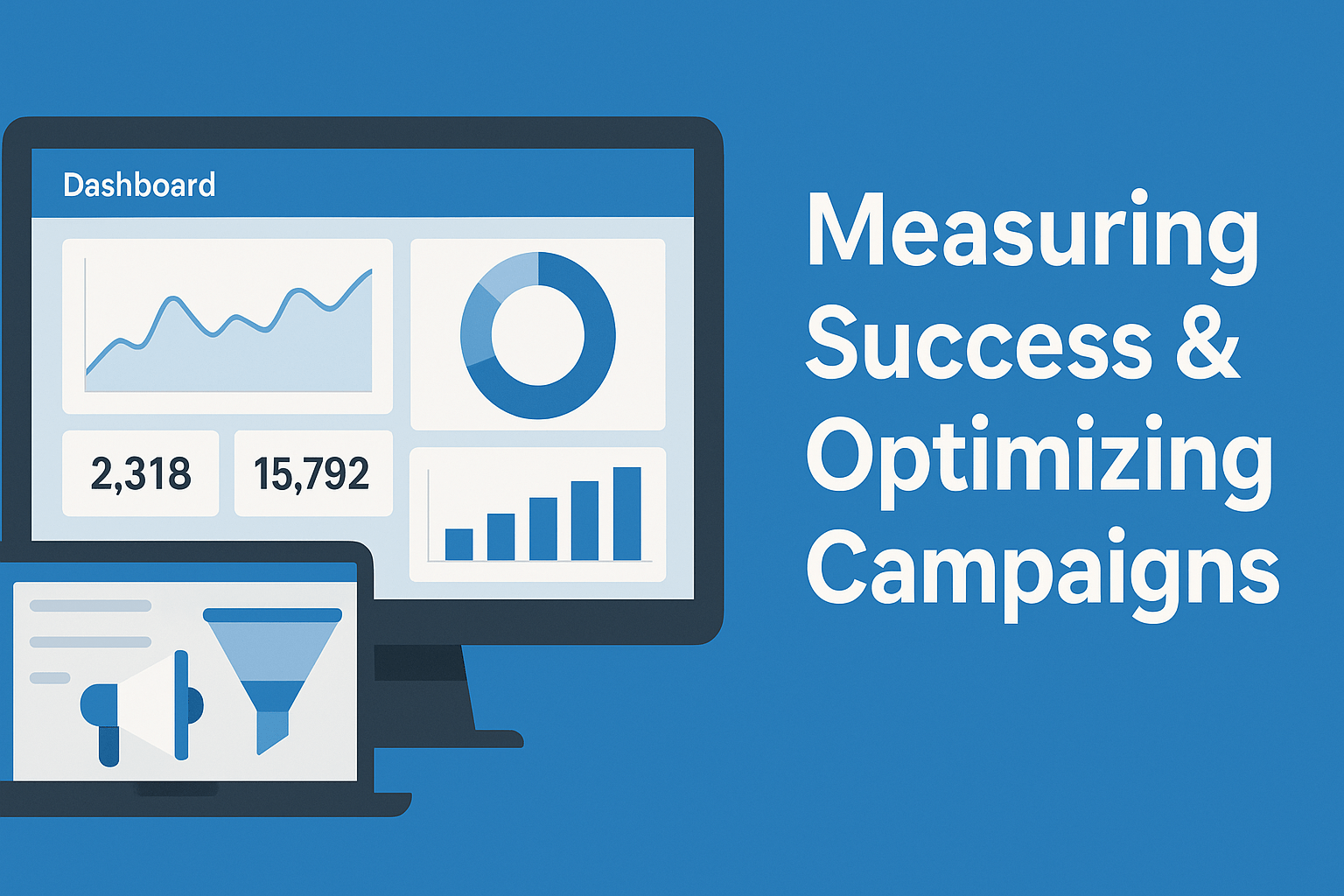
Data-driven optimization ensures your LinkedIn lead generation efforts deliver maximum impact.
Key Metrics to Track:
–Connection Acceptance Rate: Measures the effectiveness of your outreach messaging.
–Click-Through Rate (CTR) on ads and content posts.
–Lead Conversion Rate: Percentage of LinkedIn leads that become marketing qualified leads (MQLs).
–Cost per Lead (CPL) and overall ROI.
Use LinkedIn Campaign Manager and CRM analytics to pull reports and identify top-performing campaigns. Regularly A/B test ad creatives, messaging templates, and targeting criteria to improve results over time.
FAQs
1. What’s the ROI on LinkedIn lead gen?
On average, B2B marketers see a CPL between $50–$150, with ROI improving as you refine targeting and creative. Enterprises often report a 2–5x return on ad spend through a combination of organic and paid efforts.
2. How much should I budget for LinkedIn Ads?
Start with a minimum of $50–$100/day for Sponsored Content. Adjust based on early performance: increase budgets on high-performing campaigns and reduce spend on underperformers.
3. Organic vs. paid LinkedIn: which is better?
Organic strategies build long-term authority and cost less but scale slowly. Paid campaigns generate leads quickly but require ongoing investment. For best results, blend both approaches.
4. How do I track LinkedIn leads in my CRM?
Use connectors like Zapier, HubSpot, or Salesforce LinkedIn integrations. These tools automatically push new leads, messages, and campaign data into your CRM, ensuring no prospect falls through the cracks.
Conclusion
Learning how to generate leads from LinkedIn empowers your sales and marketing teams to engage high-value prospects with precision and efficiency. By optimizing your company page, delivering compelling content, leveraging LinkedIn Ads, and utilizing tools like Sales Navigator, Groups & Events, and strategic messaging, you’ll build a sustainable pipeline of qualified leads. Measure your results, iterate on successful tactics, and watch your ROI soar as your LinkedIn lead generation engine grows stronger with each campaign.
At Balistro, we specialize in helping businesses grow through effective digital marketing strategies. From Google Ads to Meta Ads, we deliver data-driven campaigns that maximize your ROI and drive real results. If you’re looking to boost your online presence, generate leads, or scale your e-commerce business, our expert team is here to help. Contact us today to learn more about how we can support your advertising needs!
Ready to Grow Your Business?
Book a free 30-minute strategy call with Balistro. We’ll audit your marketing and show you exactly where your biggest growth opportunities are.
Why Social Media Marketing Is Essential for Brand Visibility
Social media platforms collectively reach over 500 million users in India, making them the largest audience pool for brand discovery and engagement. For D2C brands, social media is often the first touchpoint in the customer journey — where potential customers discover products through content, ads, influencer recommendations, and peer reviews.
The shift toward short-form video content on platforms like Instagram Reels, YouTube Shorts, and LinkedIn has created new opportunities for brands to reach audiences organically. Video content generates 1200% more shares than text and image content combined (Source: WordStream), making it the most powerful format for building brand awareness and engagement.
Beyond brand building, social media platforms have evolved into sophisticated advertising ecosystems. Meta’s advanced targeting capabilities, LinkedIn’s professional audience data, and YouTube’s intent-based targeting allow brands to reach precisely the right audience at every stage of the buyer journey. Brands that master both organic and paid social media create a powerful growth flywheel.
Building an Effective Social Media Strategy
- Platform Selection: Choose platforms where your target audience is most active. D2C brands: Instagram, Facebook, YouTube. B2B brands: LinkedIn, YouTube, Twitter/X. Don’t spread too thin — it’s better to excel on 2-3 platforms than be mediocre on 5-6.
- Content Pillars & Calendar: Define 4-5 content pillars that align with your brand expertise and audience interests. Create a content calendar mixing educational content (40%), entertaining/engaging content (30%), promotional content (20%), and user-generated content (10%). Plan content batches weekly for efficient production.
- Community Building: Social media is a two-way channel. Respond to comments promptly, engage with your audience’s content, participate in relevant conversations, and build genuine relationships. Brands with active community management see 3-5x higher engagement rates.
- Paid Social Strategy: Complement organic efforts with targeted paid campaigns. Use lookalike audiences based on your best customers, retarget website visitors and engagers, and test new audience segments regularly. Start with ₹500-1000/day per platform and scale based on results.
- Analytics & Optimization: Track engagement rate, reach, link clicks, and conversion metrics. Identify top-performing content types and posting times. A/B test content formats, copy styles, and CTAs. Optimize based on data, not assumptions about what your audience wants.
Social Media Mistakes That Hurt Your Brand
- Inconsistent posting: Irregular posting signals an inactive brand and hurts algorithmic visibility. Establish a consistent posting schedule — 3-5 times per week for Instagram, 2-3 times for LinkedIn, daily for Twitter — and stick to it using scheduling tools.
- Only posting promotional content: Followers unfollow brands that only sell. Follow the 80/20 rule: 80% of content should educate, entertain, or inspire, and only 20% should be directly promotional. Build value first, and your audience will be receptive to offers.
- Ignoring engagement and comments: Social media is social — brands that don’t respond to comments and DMs miss relationship-building opportunities. Engage with your community daily, respond within 2-4 hours, and make followers feel valued.
- Not leveraging video content: Platforms heavily prioritize video content in their algorithms. Brands that avoid video miss the biggest organic reach opportunity available. Start with simple, authentic video content — it doesn’t need to be professionally produced to perform well.
- Buying followers or engagement: Fake followers destroy your engagement rate, damage algorithmic distribution, and erode brand credibility. Focus on building a genuine audience through valuable content and strategic paid promotion. 1,000 real followers are worth more than 100,000 fake ones.
Frequently Asked Questions
How often should I post on social media?
Optimal posting frequency varies by platform: Instagram 3-5 times per week (plus daily Stories), LinkedIn 2-3 times per week, Facebook 3-5 times per week, and Twitter/X 1-3 times per day. Quality and consistency matter more than frequency — it’s better to post 3 excellent posts per week than 7 mediocre ones.
Which social media platform is best for B2B marketing?
LinkedIn is the most effective social media platform for B2B marketing, with 80% of B2B leads from social media coming through LinkedIn. YouTube is valuable for educational content and product demonstrations. Twitter/X works well for thought leadership and industry conversations. For most B2B brands in India, a LinkedIn-first strategy supplemented by YouTube content is the optimal approach.
How do I increase my social media engagement rate?
Improve engagement by: posting consistently at optimal times (use analytics to find when your audience is most active), using a mix of content formats (especially video and carousels), asking questions and encouraging interaction, responding to every comment, using relevant hashtags strategically, and collaborating with other brands and creators in your niche.
Ready to Grow Your Business?
At Balistro Consultancy, we help D2C and B2B brands achieve measurable marketing results through data-driven strategies. Whether you need Google Ads management, Facebook advertising, SEO services, or email marketing, our team of certified specialists is ready to help you grow.
Book a free consultation call to discuss your marketing goals and discover how Balistro can drive real results for your brand.