
Why Retention Matters in D2C

Building strong D2C customer retention is essential because acquiring new customers costs up to five times more than retaining existing ones. When you focus on keeping customers engaged, you boost lifetime value (LTV)—repeat buyers typically spend 50–60% more than new shoppers over time. Satisfied, returning customers also become brand advocates, driving referrals that are 37% more likely to convert than other marketing channels.
Moreover, each percentage point improvement in customer retention can translate to a 5–10% increase in profitability, as loyal customers lower your overall marketing spend while spending more per order. In a subscription-first D2C model, keeping churn under 5% annually is considered world-class, whereas one-time purchase brands should aim for repeat purchase rates of at least 30%.
Onboarding: First 30 Days
An effective onboarding phase sets the tone for long-term loyalty. In the critical first 30 days, your goal is to demonstrate value and build trust. Brands that proactively engage customers within this window see 20–25% lower churn rates compared to those that don’t.
–Welcome Sequence: Deploy a 3–5 email drip series that thanks the customer, highlights product benefits, and offers tips or tutorials. Personalized emails in this phase can achieve open rates 29% higher than generic ones.
–Exclusive Offers: Provide a limited-time discount or bonus gift to incentivize a second purchase, nudging customers toward habitual buying behavior.
–Clear Expectations: Outline shipping timelines, return policies, and customer support contact points to reduce friction and build confidence.
Personalize Your Post‑Purchase Emails

Personalization drives engagement and repeat visits. Post-purchase emails tailored to individual behavior see 41% higher click-through rates and six times higher transaction rates than non-personalized messages. Specific strategies include:
–Order Confirmation: Embed recommended complementary products based on past browsing or purchase history.
–Feedback Request: Send a review prompt with a small incentive (e.g., 10% off next order) 5–7 days post-delivery, when customers are most likely to share feedback.
–Cross‑Sell/Upsell: Highlight related or premium versions of purchased items with dynamic calls-to-action proven to deliver 202% better conversions.
Launch a Tiered Loyalty Program

Tiered loyalty programs reward deeper engagement, turning occasional buyers into ambassadors. A well-designed program can lift repeat purchase rates by 15–25%.
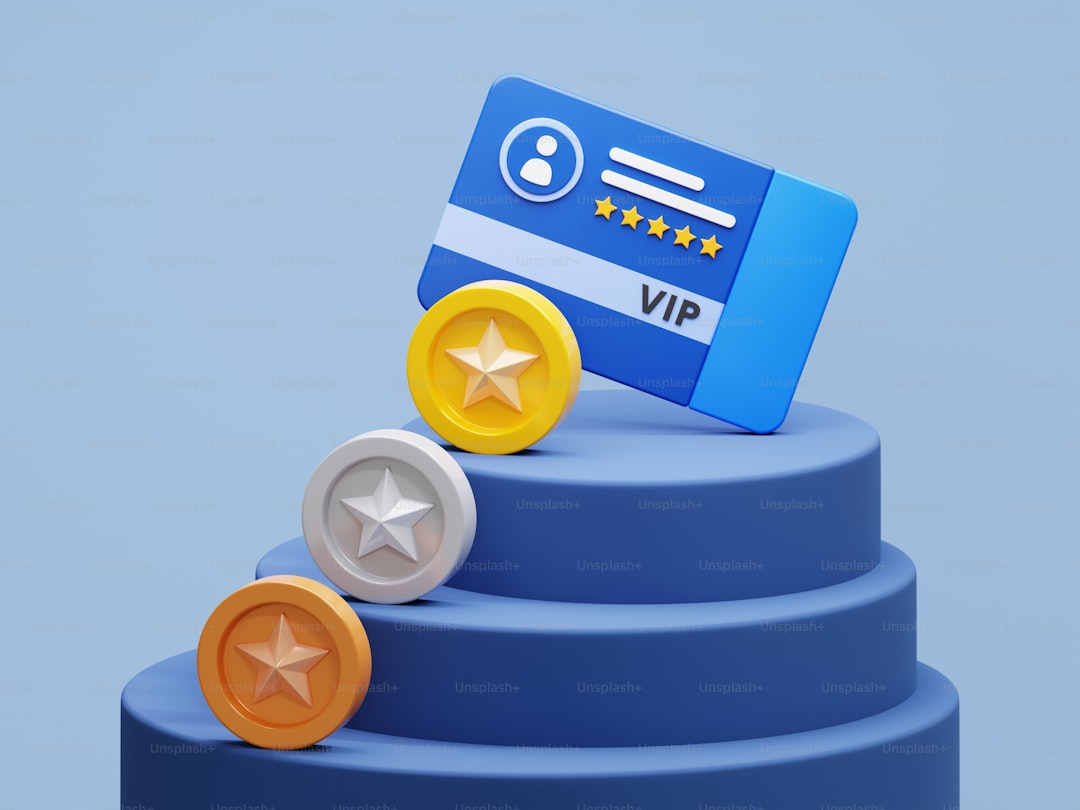
–Bronze, Silver, Gold Tiers: Define clear spending or point thresholds for each tier, offering escalating benefits such as free shipping, early access to sales, or exclusive products.
–Experiential Rewards: Incorporate non-monetary perks—behind-the-scenes content, member-only events, or charitable donations—that resonate emotionally and foster community.
–Transparency & Gamification: Use progress bars and milestone notifications to motivate customers to climb tiers and unlock rewards.
Use SMS & Push for Re‑engagement

SMS and mobile push notifications deliver timely messages with open rates up to 98%, compared to just 20% for email. When used judiciously, they can significantly reduce D2C churn and drive spontaneous purchases.
–Cart Abandonment: A single SMS reminder can recover up to 15% of abandoned carts, especially when paired with a small discount code.
–Back-in-Stock Alerts: Notify customers when previously viewed or purchased items are restocked to capitalize on purchase intent.
–Flash Sales & Events: Leverage push notifications for limited-time offers or new launches—65% of consumers make impulse buys after receiving mobile alerts.
Leverage Customer Feedback Loops
Continuous feedback helps you identify pain points and adapt quickly. Brands that act on customer feedback see retention lift by up to 20%.
–NPS Surveys: Track Net Promoter Score after each purchase to segment promoters and detractors. Follow up detractors with personalized outreach to resolve issues.
–User Testing & Interviews: Conduct quarterly product and UX interviews with both loyal and churned customers to uncover hidden barriers.
–Community Forums: Host online forums or social media groups where customers can share tips, troubleshoot, and feel heard. Engagement in these communities correlates with a 10–15% reduction in churn.
Measure & Optimize Your Churn Rate
You can’t improve what you don’t measure. Establish a clear process:
–Calculate Churn: (Customers Lost ÷ Starting Customers) × 100. Aim to keep annual churn below 20% for one-time purchase D2C brands and below 5% for subscription models.
–Segment Analysis: Break churn down by cohort, product line, and acquisition channel to pinpoint trouble areas.
–Test & Iterate: A/B test email cadences, SMS frequencies, and loyalty incentives. Small uplift tests (e.g., adding social proof to emails) can yield 1–2% retention improvements per test cycle.
FAQs
1. What is a good customer retention rate for D2C?
A solid benchmark for one-time purchase D2C brands is a retention rate of 30–40% annually, while subscription-focused models should target an annual retention above 95% (i.e., churn below 5%).
2. How often should I email D2C customers?
Start with 3–4 emails in the first 30 days post-purchase, then transition to 1–2 emails per month. Always A/B test cadence to avoid fatigue; monitor open and unsubscribe rates for signals to adjust frequency.
3. What loyalty program types work best?
Tiered programs that combine monetary rewards (points, discounts) with experiential perks (early access, community events) drive the highest engagement, offering a 15–25% lift in repeat purchases.
4. How do I measure churn in D2C?
Use the basic formula: Churn Rate = (Number of Customers Lost in Period / Customers at Start of Period) × 100
Segment churn by cohort and acquisition channel, then track improvements over time to validate your retention tactics.
At Balistro, we specialize in helping businesses grow through effective digital marketing strategies. From Google Ads to Meta Ads, we deliver data-driven campaigns that maximize your ROI and drive real results. If you’re looking to boost your online presence, generate leads, or scale your e-commerce business, our expert team is here to help. Contact us today to learn more about how we can support your advertising needs!
Ready to Grow Your Business?
Book a free 30-minute strategy call with Balistro. We’ll audit your marketing and show you exactly where your biggest growth opportunities are.
Why Digital Marketing Is Critical for D2C and E-Commerce Growth
India’s e-commerce market is projected to reach $200 billion by 2027, driven by increasing digital adoption, smartphone penetration, and shifting consumer behavior toward online shopping. For D2C brands, digital marketing isn’t just a growth channel — it’s the primary business model enabler.
The D2C landscape in India has become intensely competitive, with thousands of brands vying for consumer attention across categories like fashion, beauty, health, food, and lifestyle. Brands that build strong digital marketing engines — combining performance marketing, SEO, email retention, and brand building — are the ones capturing market share and building sustainable businesses.
Customer acquisition cost (CAC) continues to rise across digital channels, making retention marketing and lifetime value optimization more important than ever. D2C brands that master the full marketing funnel — from awareness through repeat purchase — achieve 3-5x higher customer lifetime values and significantly better unit economics.
Building a D2C Marketing Engine That Scales
- Acquisition Channel Mix: For D2C brands in India, the optimal starting channels are Meta Ads (Facebook + Instagram) for demand generation and Google Ads (Search + Shopping) for capturing intent. Add influencer marketing for brand awareness and credibility. Test YouTube and programmatic as you scale past ₹5L monthly ad spend.
- Retention Marketing System: Build automated email and WhatsApp flows: welcome series (convert first-time visitors), abandoned cart recovery (recover 15-25% of abandoned carts), post-purchase follow-up (encourage reviews and repeat purchases), and loyalty programs (reward your best customers).
- SEO & Content Strategy: Invest in SEO-optimized category pages, product descriptions, and blog content targeting buyer keywords. Build topical authority in your product category through comprehensive guides, comparison content, and expert advice. Organic traffic has the lowest CAC long-term.
- Conversion Rate Optimization: Optimize your website for conversions: fast page speed (under 3 seconds), clear product photography, compelling product descriptions, prominent reviews and social proof, easy checkout process, and mobile-first design. A 1% improvement in conversion rate can significantly impact revenue.
- Data-Driven Scaling: Use analytics to understand your most profitable customer segments, highest-converting traffic sources, and best-performing products. Double down on what works, cut what doesn’t, and make decisions based on data rather than intuition.
E-Commerce Marketing Mistakes That Hurt Profitability
- Overreliance on discounting: Constant sales and discounts train customers to wait for deals, erode brand value, and compress margins. Build a brand that customers pay full price for by communicating quality, uniqueness, and value beyond price.
- Ignoring customer lifetime value: Focusing solely on first-purchase CAC leads to unsustainable acquisition strategies. Calculate true CLV across 12-24 months and optimize marketing for long-term customer value, not just initial conversion cost.
- No email marketing strategy: Many D2C brands drive all traffic through paid ads and neglect email marketing. Email is the highest-ROI channel for e-commerce retention. Brands with strong email programs generate 30-40% of revenue from email alone.
- Poor product page experience: Driving paid traffic to weak product pages wastes ad spend. Invest in high-quality product photography, detailed descriptions, size guides, customer reviews, and FAQ sections on every product page.
- Not leveraging user-generated content: UGC (customer photos, reviews, unboxing videos) is the most trusted form of marketing content. Actively collect and showcase UGC across your website, social media, and advertising for higher engagement and conversion rates.
Frequently Asked Questions
What is a good CAC for D2C brands in India?
A healthy customer acquisition cost depends on your average order value and customer lifetime value. As a general benchmark, CAC should be less than 30% of first-purchase AOV, or less than 15% of 12-month CLV. For fashion D2C brands in India, CAC typically ranges from ₹200-800, while health and beauty brands see ₹150-500. The key metric is the CLV:CAC ratio — aim for at least 3:1.
Which marketing channel should D2C brands prioritize?
For most D2C brands starting out, Meta Ads (Facebook + Instagram) combined with Google Ads provides the best initial channel mix. Meta Ads excel at demand generation and brand awareness through visual storytelling, while Google Ads capture high-intent shoppers actively searching for your products. Add email marketing from day one for retention, and invest in SEO for long-term organic growth.
How do I reduce customer acquisition costs?
Reduce CAC by: improving ad creative quality (better creatives = higher CTR = lower CPC), optimizing landing pages for conversion (higher conversion rate = lower CAC), building organic traffic through SEO and content marketing, investing in retention marketing to increase CLV (higher CLV allows for higher CAC), and leveraging referral programs to acquire customers through word-of-mouth.
Ready to Grow Your Business?
At Balistro Consultancy, we help D2C and B2B brands achieve measurable marketing results through data-driven strategies. Whether you need Google Ads management, Facebook advertising, SEO services, or email marketing, our team of certified specialists is ready to help you grow.
Book a free consultation call to discuss your marketing goals and discover how Balistro can drive real results for your brand.
E-Commerce Marketing: Building Profitable Customer Acquisition and Retention
Profitable e-commerce marketing requires balancing customer acquisition with retention, managing rising advertising costs, and building brand equity that creates long-term competitive advantages. The brands that succeed are those that think holistically about the customer lifecycle rather than optimizing individual channels in isolation.
Customer lifetime value (CLV) modeling has become essential for e-commerce brands seeking to optimize their marketing investment. Understanding how much a customer is worth over 12-24 months allows brands to make informed decisions about acquisition costs, channel allocation, and retention investment. Brands with CLV models consistently outperform those optimizing for first-purchase metrics alone.
Omnichannel marketing integration — connecting online advertising, email, social media, website personalization, and even offline touchpoints — creates seamless customer experiences that drive higher conversion rates and loyalty. Research shows that customers who engage with brands across 3+ channels have 287% higher purchase rates than single-channel customers.
Conversion rate optimization (CRO) is often the highest-leverage growth activity for e-commerce brands. Improving conversion rate from 2% to 3% represents a 50% increase in revenue from existing traffic — without spending an additional rupee on advertising. Systematic A/B testing of product pages, checkout flows, pricing presentation, and trust signals compounds into significant revenue improvements over time.
Marketplace diversification beyond direct-to-consumer websites has become a strategic consideration for many D2C brands. Selling on Amazon, Flipkart, and other marketplaces alongside your own website provides additional reach and revenue streams, while marketplace data offers competitive intelligence about pricing, demand, and customer preferences in your category.