
Optimizing email campaigns is essential to maximize ROI, improve engagement, and protect sender reputation. In this post, you’ll learn how to audit your current performance, craft compelling subject lines, segment your list, boost deliverability, leverage personalization, and systematically test and iterate. By following these steps grounded in email marketing best practices of how to optimize email campaigns you’ll see higher open rates, click-through rates, and conversions.
Introduction to Email Campaign Optimization
Optimization means continuously refining every element of your email program from subject lines to sending cadence to achieve the best possible ROI. With inboxes more crowded than ever, optimization helps your messages break through the noise and drive meaningful action. Studies show that even a 1% lift in open rate can translate into thousands of dollars in additional revenue for mid-sized e-commerce brands.
Audit Your Current Email Performance
Key Metrics to Track
–Open Rate: Percentage of recipients who open your emails. The industry average is around 21%.
–Click-Through Rate (CTR): Percentage of opens that generate a click. Average CTR hovers around 2.5%.
–Deliverability: Percentage of emails reaching the inbox vs. bouncing or landing in spam. Top senders achieve >95% deliverability.
–Conversion Rate: Percentage of clicks leading to a desired action (purchase, sign-up).
–Unsubscribe & Complaint Rates: Indicators of relevance and sender reputation.
How to Conduct the Audit
1. Export last 6–12 months of campaign data from your ESP.
2. Benchmark against industry averages.
3. Identify underperforming segments (e.g., low open rates among inactive subscribers).
4. Map performance to send frequency, subject-line styles, and content types.
Crafting Compelling Subject Lines
Principles of High-Performing Subject Lines
–Urgency & Scarcity: “Last chance to save 20%” boosts opens by up to 16%.
–Personalization: Including first names can improve open rates by 2–3%.
–Teaser Copy: Piques curiosity without giving everything away.
–A/B Testing: Always test variations (length, emoji use, questions vs. statements).
A/B Testing Framework
-Test one variable at a time (e.g., emoji vs. no emoji).
-Use statistically significant sample sizes (at least 1,000 recipients per variant).
-Run tests for at least 24 hours or until significance threshold is met.
Segment Your Email List for Relevance
Why Segmentation Matters
Segmented campaigns produce 760% more revenue than “blast” emails.
Segmentation Strategies
–Demographic: Age, gender, location.
–Behavioral: Past purchases, browsing behavior, email engagement.
–Lifecycle Stage: Prospects vs. first-time buyers vs. loyal customers.
–Engagement Level: Active, inactive, at-risk.
Tools & Implementation
Most ESPs (e.g., Mailchimp, Klaviyo) offer built-in segmentation. Use dynamic segments that update in real-time based on subscriber actions.
Enhance Deliverability with Best Practices
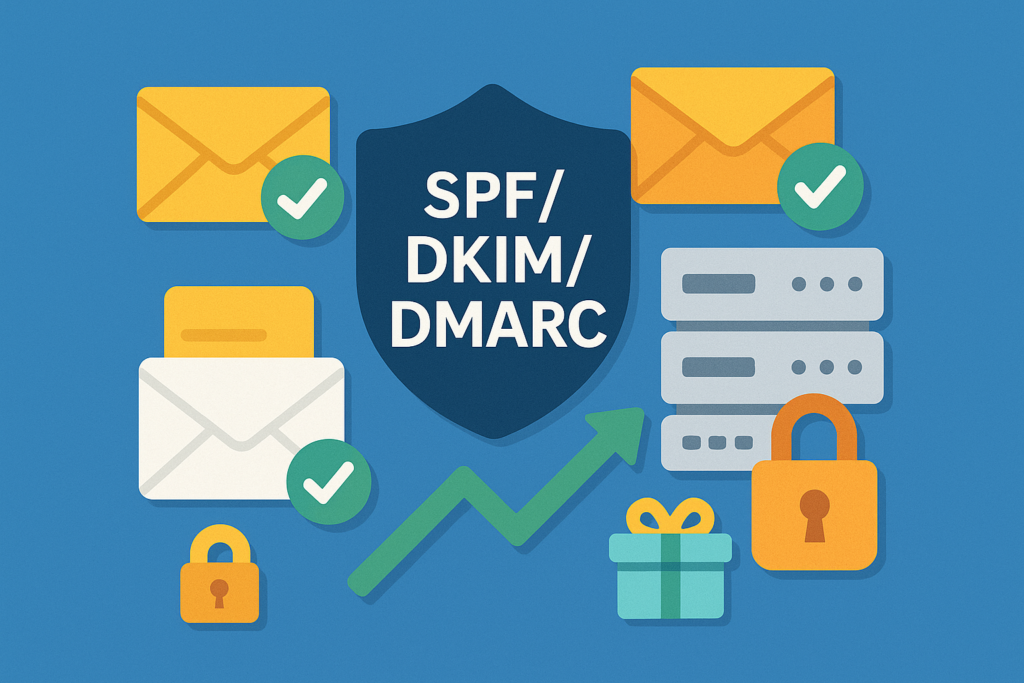
Authentication Protocols
–SPF: Authorizes sending IPs.
–DKIM: Adds a cryptographic signature.
–DMARC: Aligns SPF & DKIM to prevent spoofing.
Sending Frequency & Cadence
-Finding the “sweet spot” typically means 2–4 emails per month.
-Monitor unsubscribe spikes when increasing frequency.
List Hygiene
-Remove hard bounces immediately.
-Re-engagement campaigns for inactive subscribers; prune if unresponsive.
-Use double opt-in to ensure valid addresses.
Use Personalization and Dynamic Content
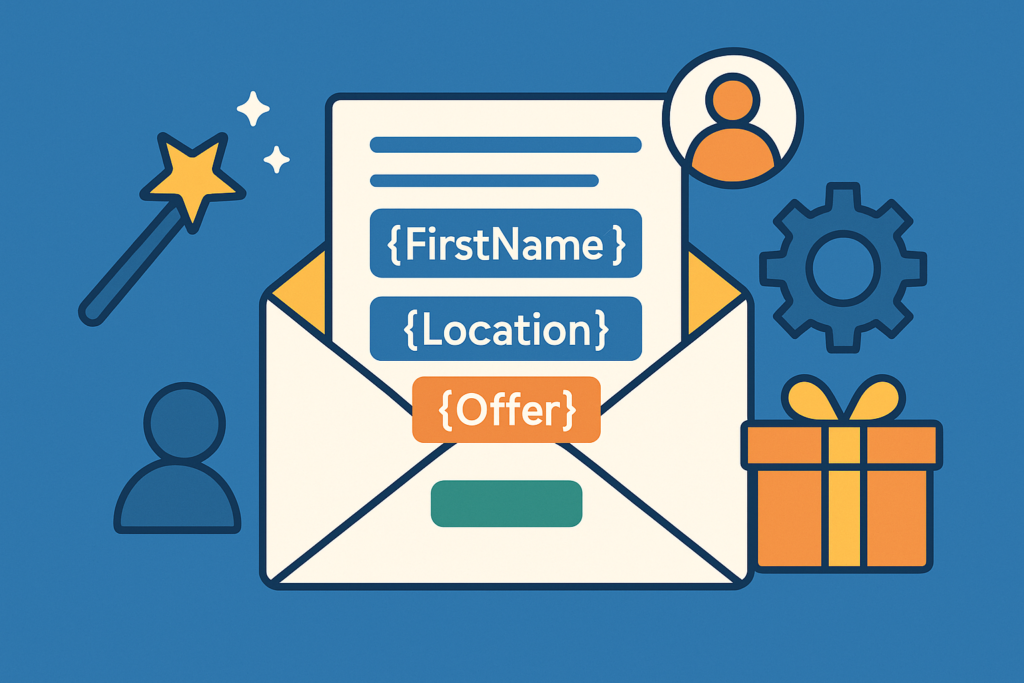
Merge Tags & Dynamic Blocks
-Insert first names, past purchase details, or location-based offers.
-Use dynamic product recommendations powered by browsing history.
Behavioral Triggers
-Abandoned cart reminders.
-Post-purchase follow-ups.
-Browsing abandonment (“You looked at…”).
Impact on Revenue
Marketers see a 760% increase in email revenue from segmented, personalized campaigns.
Test, Analyze, and Iterate Your Campaigns
A/B & Multivariate Testing
-Subject lines, send times, content layouts, CTAs.
-Use holdout groups to measure incremental lift.
Analytics Review
-Tie email metrics to downstream revenue in Google Analytics or your BI tool.
-Calculate Customer Lifetime Value (CLV) uplift from email cohorts.
Continuous Improvement Loop
1. Hypothesize (“Shorter subject lines will boost opens”).
2. Test.
3. Analyze results.
4. Implement winning variant.
5. Repeat.
Conclusion and Next Steps
By auditing your existing performance, refining subject lines, segmenting your list, ensuring top deliverability, and layering in personalization, you’ll meaningfully optimize your email campaigns.
FAQ’s
| Question | Answer Summary |
| What metrics should I track to optimize email campaigns? | Open rate, CTR, deliverability, conversion rate, unsubscribe/complaint rates. |
| How often should I segment my email list? | At least quarterly, or whenever you see performance shifts or 10–15% list growth. |
| Which authentication protocols improve deliverability? | SPF, DKIM, and DMARC protect reputation and prevent spoofing. |
| What are quick wins for subject line optimization? | Use personalization, urgency, emojis sparingly, and tease content—A/B test each. |
At Balistro, we specialize in helping businesses grow through effective digital marketing strategies. From Google Ads to Meta Ads, we deliver data-driven campaigns that maximize your ROI and drive real results. If you’re looking to boost your online presence, generate leads, or scale your e-commerce business, our expert team is here to help. Contact us today to learn more about how we can support your advertising needs!
Ready to Grow Your Business?
Book a free 30-minute strategy call with Balistro. We’ll audit your marketing and show you exactly where your biggest growth opportunities are.
Why Email Marketing Delivers the Highest ROI in Digital Marketing
Email marketing consistently delivers $36-$42 for every $1 spent, making it the highest-ROI digital marketing channel available (Source: Litmus, 2025). Unlike social media where organic reach continues to decline, email gives you direct access to your audience’s inbox — a channel you own and control.
For D2C brands, email marketing is the backbone of customer retention. Acquiring a new customer costs 5-7x more than retaining an existing one, and email automation workflows — welcome series, abandoned cart recovery, post-purchase follow-ups, and win-back campaigns — drive repeat purchases at minimal incremental cost.
The integration of AI into email marketing platforms has made personalization at scale possible. Dynamic content, send-time optimization, predictive segmentation, and AI-generated subject lines are helping brands deliver highly relevant messages that cut through inbox clutter. Brands leveraging these capabilities are seeing 25-40% higher open rates and 2-3x improvement in click-through rates.
Building a Revenue-Generating Email Marketing System
Effective email marketing goes far beyond sending promotional blasts. Here’s how to build an email system that generates consistent revenue:
- Platform Selection & Setup: Choose a platform that matches your needs — Klaviyo for D2C/e-commerce, HubSpot for B2B, or Mailchimp for SMBs. Set up proper authentication (SPF, DKIM, DMARC) to ensure deliverability. Implement tracking across your website for behavioral triggers.
- List Building & Segmentation: Build your email list through website pop-ups, lead magnets, checkout opt-ins, and social media. Segment subscribers by behavior (purchase history, browse activity, engagement level), demographics, and lifecycle stage. Never buy email lists — they destroy deliverability and violate regulations.
- Automation Workflows: Set up these essential automated flows: Welcome Series (3-5 emails introducing your brand), Abandoned Cart (3 emails over 24-72 hours), Post-Purchase (thank you, review request, cross-sell), Browse Abandonment (for interested non-buyers), and Win-Back (re-engage dormant subscribers after 60-90 days).
- Campaign Strategy: Beyond automation, send 2-4 campaign emails per week including product launches, educational content, promotions, and social proof. Use A/B testing on subject lines, send times, content layout, and CTAs to continuously improve performance.
- Deliverability Management: Monitor bounce rates (keep under 2%), complaint rates (under 0.1%), and engagement metrics. Clean your list quarterly by removing consistently unengaged subscribers. Maintain a healthy sender reputation to ensure your emails reach the inbox, not the spam folder.
Email Marketing Mistakes That Kill Engagement and Revenue
- Sending the same email to everyone: Unsegmented email blasts generate 760% less revenue than segmented campaigns (Source: Campaign Monitor). Segment your audience by purchase behavior, engagement level, and preferences to deliver relevant content that drives action.
- Ignoring mobile optimization: With 61.9% of emails opened on mobile devices, non-responsive email design guarantees lost revenue. Use single-column layouts, large tap targets (44x44px minimum), and concise copy optimized for small screens.
- No welcome automation: Welcome emails see 4x higher open rates and 5x higher click rates than regular campaigns. Brands without a welcome series miss the highest-engagement window to convert subscribers into customers.
- Over-sending or under-sending: Too many emails cause unsubscribes; too few make subscribers forget you. Find the right cadence through testing — typically 2-4 emails per week for D2C and 1-2 per week for B2B — and let engagement data guide adjustments.
- Weak subject lines: Your subject line determines whether your email gets opened. A/B test every campaign with different subject line approaches — questions, urgency, personalization, curiosity gaps, and benefit-driven hooks. Aim for 6-10 words and under 50 characters for mobile optimization.
Frequently Asked Questions
What is a good email open rate?
The average email open rate across industries is 21.33% (Source: Mailchimp). A good open rate depends on your industry — e-commerce averages 15-20%, while B2B professional services see 20-25%. Balistro’s email campaigns consistently achieve 28-35% open rates through strategic segmentation, compelling subject lines, and optimal send-time testing.
How do I reduce email unsubscribe rates?
Keep unsubscribe rates below 0.5% by: segmenting your list to send relevant content, respecting subscriber preferences for frequency and content type, providing a preference center instead of only an unsubscribe option, and ensuring every email delivers genuine value — whether educational content, exclusive offers, or entertaining storytelling.
What is the best time to send marketing emails?
There’s no universal best time — it depends on your audience. However, studies show Tuesday through Thursday between 9-11 AM and 1-3 PM tend to perform well for B2B audiences. D2C brands often see strong results on weekday evenings and weekends. Use your email platform’s send-time optimization feature to automatically deliver emails when each subscriber is most likely to engage.
Ready to Grow Your Business?
At Balistro Consultancy, we help D2C and B2B brands achieve measurable marketing results through data-driven strategies. Whether you need Google Ads management, Facebook advertising, SEO services, or email marketing, our team of certified specialists is ready to help you grow.
Book a free consultation call to discuss your marketing goals and discover how Balistro can drive real results for your brand.
Building a Sustainable Digital Marketing Growth Engine
Sustainable digital marketing growth requires building systems and processes that compound over time, rather than relying on short-term campaign tactics. The most successful brands treat digital marketing as an integrated ecosystem where each channel amplifies the effectiveness of every other channel.
The concept of compounding returns in digital marketing is most clearly demonstrated through SEO and content marketing. Every piece of quality content published, every backlink earned, and every technical improvement made contributes to an ever-growing foundation of organic visibility. Unlike paid advertising — which stops delivering the moment you stop paying — organic growth compounds over months and years.
Marketing technology integration is often the difference between good and great marketing performance. When your CRM, email platform, ad platforms, analytics tools, and website work together seamlessly, you gain a unified view of the customer journey that enables truly personalized marketing at scale. The investment in proper martech integration pays dividends through improved targeting accuracy, better attribution, and more efficient workflows.
Brand building and performance marketing are not opposing strategies — they are complementary forces that, when balanced correctly, create a powerful growth flywheel. Strong brands enjoy higher click-through rates on ads, better organic rankings, more referral traffic, and higher conversion rates. Allocating 20-30% of digital marketing budget to brand-building activities creates long-term competitive advantages that protect against market fluctuations.
Customer retention and lifetime value optimization represent the most underleveraged growth opportunity for most digital businesses. Acquiring a new customer costs 5-7x more than retaining an existing one, yet most brands spend the vast majority of their marketing budget on acquisition. Building robust retention marketing programs — including email automation, loyalty programs, and customer success initiatives — dramatically improves overall marketing ROI.