

In today’s fast-paced digital landscape, businesses must adopt a 360 degree digital marketing approach to stay ahead of the competition. Moreover, this comprehensive strategy integrates all digital channels like social media, content, SEO, PPC, email marketing and more, to create a seamless and engaging customer experience. Furthermore, in this blog post we will explore every aspect of the approach, offering actionable insights and proven tactics that empower you to transform your digital marketing strategy.
What Is a 360 Degree Digital Marketing Approach?
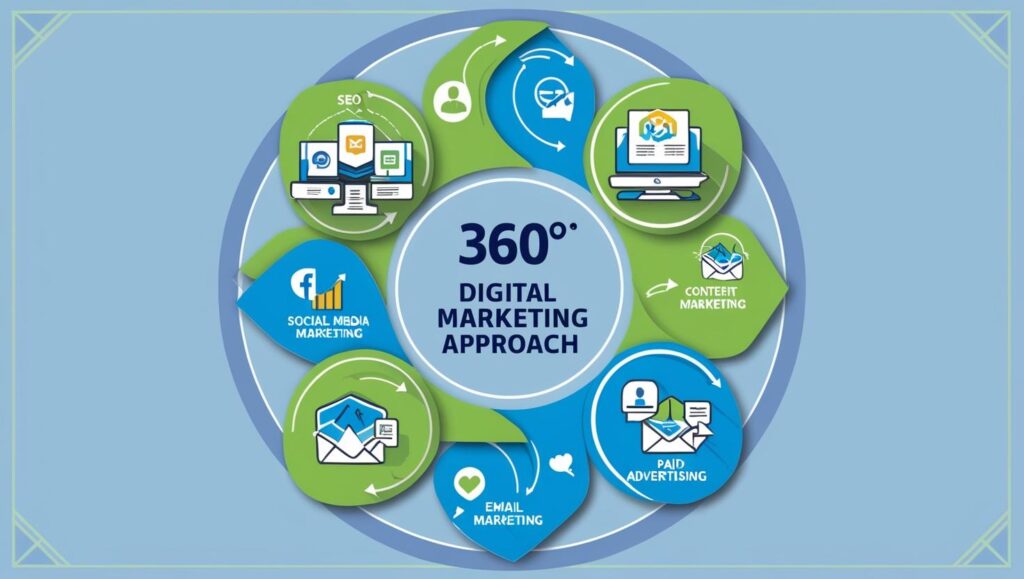
A 360 degree digital marketing approach represents a holistic strategy that encompasses every possible touchpoint with your audience. Rather than relying on a single channel or tactic, it combines multiple digital marketing methods into one integrated plan. In particular, key elements include:
–Omnichannel Marketing: Engage your audience across various platforms such as social media, email, mobile and your website.
–Integrated Digital Marketing: Unify your messaging and branding across all digital channels to ensure consistency.
–Full-Funnel Marketing: Address every stage of the customer journey from awareness to conversion using tailored strategies.
As a result, this approach ensures that no potential customer interaction is missed, ultimately leading to higher engagement and improved conversion rates.
Why Your Business Needs a 360 Degree Digital Marketing Approach
Given the abundance of digital touchpoints today, relying on a single strategy can leave your business vulnerable. Consequently, consider these compelling reasons to adopt a 360 degree digital marketing approach:
Enhanced Customer Experience
By integrating multiple channels, you provide a cohesive brand experience. Whether customers interact via social media, your website, or email, they receive a consistent message that builds trust and loyalty.
Improved ROI
Additionally, a comprehensive strategy that incorporates actionable digital marketing techniques ensures every dollar is optimized for maximum return. Moreover, by monitoring key performance indicators (KPIs) across channels, you can swiftly identify what works and what needs adjustment.
Increased Brand Visibility
Furthermore, a unified strategy amplifies your online presence. In effect, coordinated efforts across SEO, PPC, content and social media boost the likelihood that your brand appears at every stage of the buyer’s journey.
Data-Driven Decisions
Finally, this approach emphasizes analytics. By gathering data from every touchpoint, you can continuously refine your strategy to meet evolving customer needs and market trends.
Key Components of a Successful 360 Degree Digital Marketing Strategy
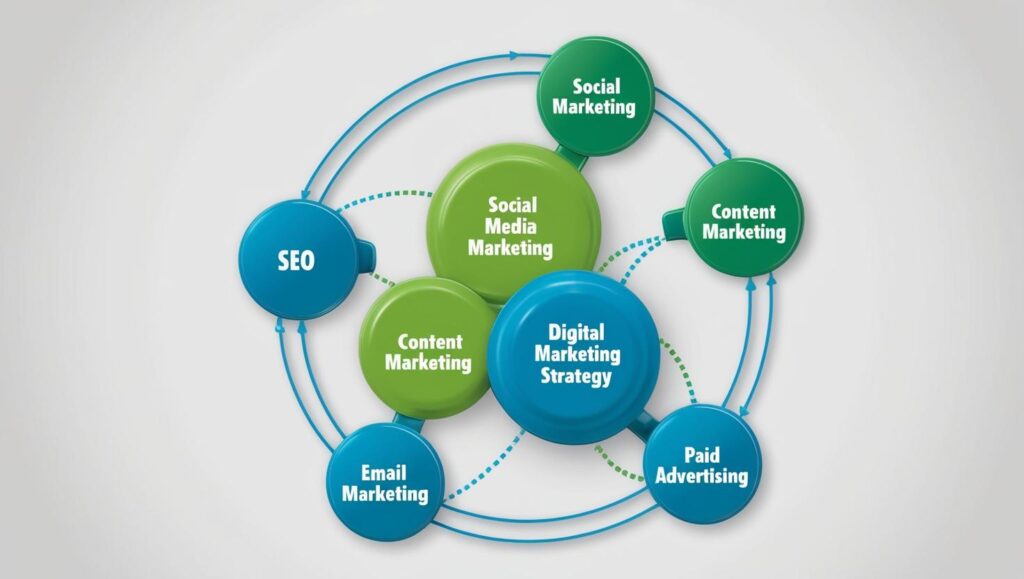
A well-rounded digital marketing strategy relies on several critical components. To begin with:
Website Optimization and SEO
Your website is the cornerstone of your digital presence; therefore, optimizing it for search engines is crucial for driving organic traffic. For example, focus on:
–Keyword Integration: Incorporate your primary keyword into strategic elements like title tags, meta descriptions, headers and body text.
–Quality Content: Develop content that answers user queries and provides valuable information.
–Mobile Optimization: Ensure your site is responsive and user-friendly on all devices.
Content Marketing
Content remains king when engaging your audience. Hence, develop a content plan that includes:
-Blog posts and articles
-Videos and infographics
-Whitepapers and eBooks
In doing so, tailor your content to answer common questions (e.g., “How to implement a 360 degree digital marketing strategy”) and position your brand as an industry leader.
Social Media Marketing
Moreover, actively engage your audience on the platforms where they are most active. An effective social media strategy should:
-Maintain consistent brand messaging
-Encourage user interaction and sharing
-Drive traffic back to your website
Pay-Per-Click (PPC) and Paid Media
Paid campaigns can significantly boost your visibility. For instance, use PPC ads to:
-Test new strategies rapidly
-Reach a larger audience
-Generate immediate results while your organic strategy gains momentum
Email Marketing
In addition, nurture leads and maintain engagement through personalized email campaigns. Specifically, segmented email lists enable you to deliver:
-Customized content based on user behavior
-Special offers and promotions
-Regular updates and newsletters
Analytics and Data Insights
Lastly, measure the success of your efforts using robust analytics tools. It is essential to monitor metrics such as:
-Website traffic and conversion rates
-Social media engagement
-Email open and click-through rates
This data is vital for continuous improvement and optimizing your overall digital marketing strategy.
Developing Your 360 Degree Digital Marketing Plan
Implementing a 360 degree digital marketing approach starts with a well-structured plan. Here is a step-by-step guide:
Step 1: Research and Analysis
-First, conduct a market analysis to understand industry trends and competitor strategies.
-Next, identify your target demographics and create detailed buyer personas.
-Then, perform keyword research to ensure your content aligns with what your audience is searching for.
Step 2: Strategy Formulation
-Begin by setting clear objectives and KPIs.
-Subsequently, decide which digital channels to integrate.
-Finally, create a comprehensive content calendar covering blog posts, social media, email campaigns and more.
Step 3: Execution
-Initially, launch campaigns across all selected channels.
-Thereafter, maintain consistency in branding and messaging.
-Moreover, ensure that your website, social media profiles and other digital assets are fully optimized and synchronized.
Step 4: Monitoring and Optimization
-Regularly track performance metrics.
-In addition, utilize A/B testing to refine content and ad placements.
-Ultimately, adjust your strategy based on data insights to maximize ROI.
Measuring and Optimizing Your Campaign
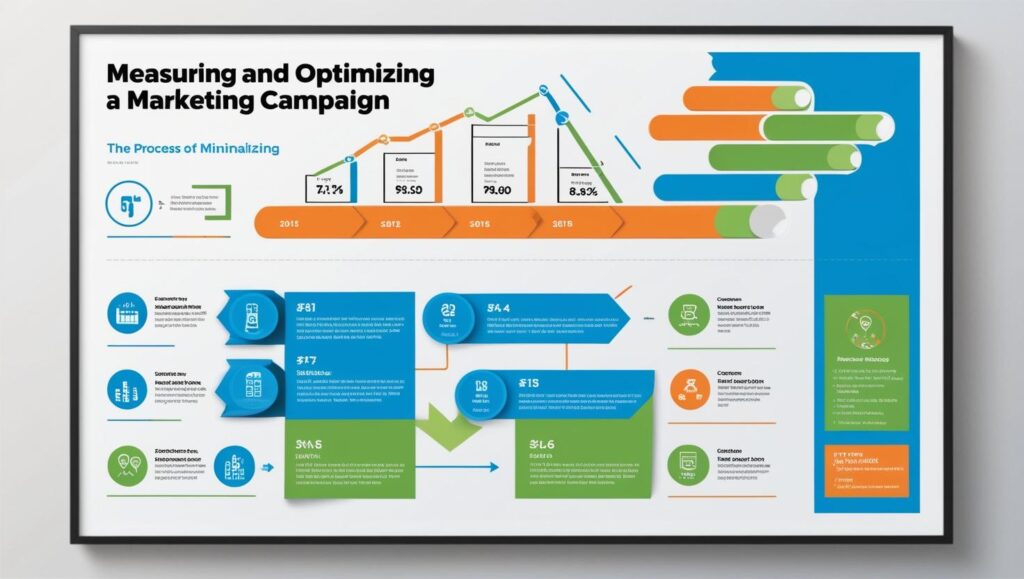
One significant advantage of a 360 degree digital marketing approach is its focus on measurable results. Accordingly, here’s how to track and optimize your campaigns:
–Website Analytics: Monitor traffic sources, bounce rates and conversion metrics.
–Social Media Metrics: Track engagement rates, shares and comments.
–Email Performance: Analyze open rates, click-through rates and conversion statistics.
–PPC Metrics: Evaluate cost per click (CPC), click-through rates (CTR) and conversion rates.
Furthermore, consider these optimization tips:
–Regular Reporting: Use tools like Google Analytics and social media insights to generate periodic reports.
–Iterative Testing: Conduct A/B tests on headlines, CTAs and content formats.
–Feedback Loops: Incorporate customer feedback to continually enhance your messaging and offerings.
Case Studies and Success Stories
Numerous companies have successfully implemented a 360 degree digital marketing approach. For example:
–Tech Startups: Many startups have scaled rapidly by integrating SEO, social media and content marketing, which resulted in exponential growth.
–Retail Brands: By adopting omnichannel marketing strategies, these brands have enhanced customer experiences, leading to increased sales and repeat business.
–Local Businesses: Even small businesses have seen significant improvements by tailoring their digital marketing strategies, thereby boosting both online and in-store traffic.
These real-world examples underscore the versatility and effectiveness of a comprehensive digital marketing strategy.
Conclusion
Undoubtedly, in today’s interconnected digital world, a 360 degree digital marketing approach isn’t merely a luxury, it’s a necessity. By integrating multiple channels and focusing on a seamless customer experience, you can:
-Enhance brand visibility
-Increase customer engagement
-Drive sustainable business growth
To get started, implement the steps outlined above and continuously refine your strategy based on data insights. Whether you’re a startup or an established enterprise, adopting this comprehensive approach will ensure you remain one step ahead of the competition. Ultimately, if you are ready to transform your digital marketing strategy, contact us at Balistro to learn more about our tailored solutions.
In summary, by following this guide and incorporating proven digital marketing techniques and tips, you will be well on your way to mastering an integrated digital strategy that drives tangible results.
Happy Marketing!
At Balistro, we specialize in helping businesses grow through effective digital marketing strategies. From Google Ads to Meta Ads, we deliver data-driven campaigns that maximize your ROI and drive real results. If you’re looking to boost your online presence, generate leads, or scale your e-commerce business, our expert team is here to help. Contact us today to learn more about how we can support your advertising needs!
Ready to Grow Your Business?
Book a free 30-minute strategy call with Balistro. We’ll audit your marketing and show you exactly where your biggest growth opportunities are.
Why Strategic Digital Marketing Is Essential for Business Growth in India
India’s digital advertising market is projected to reach ₹62,000 crore by 2026, growing at 25% CAGR (Source: Dentsu Digital Report). This explosive growth means more businesses are competing for digital attention than ever before. Without a strategic digital marketing approach, brands risk being invisible to their target audience.
The most successful brands in India’s digital landscape don’t rely on a single channel — they build integrated marketing ecosystems. Brands using 3+ digital channels see 287% higher purchase rates than single-channel campaigns (Source: Omnisend). This multi-channel approach, when executed strategically, creates multiple touchpoints throughout the customer journey.
For D2C and B2B brands specifically, digital marketing has become the primary growth driver. With 78% of Indian businesses increasing their digital marketing budgets in 2025, the competitive landscape demands not just presence but excellence across search, social, email, and content channels.
Building an Integrated Digital Marketing Strategy
- Customer Research & Persona Development: Start with deep customer research — analyze your existing customer data, conduct surveys, review search queries, and study competitor audiences. Build detailed buyer personas including demographics, pain points, digital behavior, and preferred content formats.
- Channel Strategy & Prioritization: Not every channel is right for every business. D2C brands should prioritize Meta Ads, Google Shopping, email marketing, and SEO. B2B brands focus on Google Search, LinkedIn, content marketing, and email nurturing. Start with 2-3 core channels and expand based on data.
- Content Strategy & Calendar: Develop a content strategy that supports every stage of the funnel — awareness (blog posts, social content), consideration (case studies, comparison guides), and decision (product pages, testimonials). Create a monthly content calendar with themes aligned to business goals and seasonal opportunities.
- Paid Media Strategy: Structure paid campaigns by funnel stage with appropriate budgets. Allocate 40% to prospecting (awareness), 30% to remarketing (consideration), and 30% to conversion campaigns. Use cross-channel remarketing to nurture prospects across platforms.
- Measurement & Optimization: Implement comprehensive tracking across all channels. Build a unified dashboard that shows the complete customer journey. Use data to continuously optimize — shift budget to top-performing channels, refine targeting, and improve creative based on performance insights.
Digital Marketing Mistakes That Stunt Business Growth
- No clear strategy or goals: Running ads and posting content without a coherent strategy wastes budget and effort. Define specific, measurable goals for each channel — traffic, leads, revenue — and build campaigns that directly support those objectives.
- Channel silos: Running each marketing channel independently creates disconnected customer experiences and misses cross-channel optimization opportunities. Integrate your channels so email supports paid media, content supports SEO, and social supports brand building in a cohesive ecosystem.
- Chasing trends over fundamentals: New platforms and tactics are exciting, but sustainable growth comes from mastering fundamentals — compelling messaging, strong offers, excellent landing pages, and data-driven optimization. Build a strong foundation before experimenting with emerging channels.
- Underinvesting in retention: Most brands overspend on acquisition and underinvest in retention. Retaining existing customers costs 5-7x less than acquiring new ones. Build email automation, loyalty programs, and post-purchase experiences that maximize customer lifetime value.
- Not investing in brand: Performance marketing drives immediate results, but brand building creates long-term competitive advantage. Strong brands enjoy higher conversion rates, lower acquisition costs, and greater pricing power. Allocate at least 20-30% of marketing budget to brand-building activities.
Frequently Asked Questions
How much should a small business spend on digital marketing in India?
Small businesses in India should allocate 7-15% of revenue to digital marketing, with a minimum of ₹25,000-50,000 per month for meaningful impact. Start with the channels most likely to drive immediate revenue — Google Ads for intent-based traffic and social media ads for awareness — then expand as you see returns.
What is the most effective digital marketing channel for B2B?
For B2B companies in India, Google Search Ads and LinkedIn are typically the most effective channels for lead generation. Content marketing and SEO build long-term authority and organic lead flow. Email marketing nurtures leads through longer B2B sales cycles. The optimal mix depends on your industry, target audience, and sales process.
How do I measure digital marketing success?
Measure success against your business objectives: revenue growth, customer acquisition cost (CAC), return on ad spend (ROAS), organic traffic growth, conversion rates, and customer lifetime value (CLV). Avoid vanity metrics like impressions or followers unless they directly correlate with business outcomes. Set up proper attribution to understand which channels drive real results.
Ready to Grow Your Business?
At Balistro Consultancy, we help D2C and B2B brands achieve measurable marketing results through data-driven strategies. Whether you need Google Ads management, Facebook advertising, SEO services, or email marketing, our team of certified specialists is ready to help you grow.
Book a free consultation call to discuss your marketing goals and discover how Balistro can drive real results for your brand.