
The Creative Testing Problem Every Growing Brand Faces
Creative is the single biggest variable in paid advertising performance. Research consistently shows that 50-70% of ad performance variation comes from creative, not targeting or bidding. Yet most brands produce only 4-6 new creative variations per month, test them slowly, and scale the winners — a process that takes weeks per iteration cycle.
AI creative automation is changing this entirely. In 2026, brands and agencies using AI-powered creative workflows are testing 10-20x more creative variations in the same time period, finding winning combinations faster, and scaling them before competitors can react.
At Balistro Consultancy, our creative design team has built AI-assisted creative automation frameworks for D2C and B2B clients. Here is exactly how it works.
What Is AI Creative Automation?
AI creative automation refers to using artificial intelligence tools to accelerate every stage of the creative production and testing process:
- AI image generation: Tools like Midjourney, Adobe Firefly, and DALL-E 3 can produce dozens of visual variations from a single prompt
- Dynamic creative optimisation (DCO): Ad platforms like Meta Advantage+ automatically combine multiple headlines, images, and descriptions into hundreds of ad variants and serve the best-performing combinations to each audience segment
- AI copywriting tools: Tools like Claude and ChatGPT can generate dozens of headline and body copy variations from a creative brief in minutes
- Automated A/B testing frameworks: Structured testing protocols that systematically isolate and test one variable at a time — hook, offer, visual style, CTA
Dynamic Creative Optimisation: Let the Algorithm Find Winners
Meta’s Dynamic Creative feature and Advantage+ Creative are among the most powerful tools available for automated creative testing. Here is how to use them effectively:
- Upload 5-10 images or videos in each creative style you want to test (lifestyle, product-only, UGC, graphic, text-based)
- Write 5 headline variations covering different hooks (benefit-led, pain-point-led, curiosity-led, social proof-led, offer-led)
- Write 5 body copy variations with different tones and structures
- Write 3-5 CTA variations
- Let Meta serve combinations to your target audience and report which combinations perform best by audience segment
The result: instead of testing 6 static ads, you are effectively testing hundreds of combinations simultaneously. The algorithm finds the best match between creative combination and audience segment automatically.
AI Image Generation for Ad Variants
Producing high-quality product imagery at scale is one of the biggest creative bottlenecks for growing brands. AI image generation tools have broken this bottleneck:
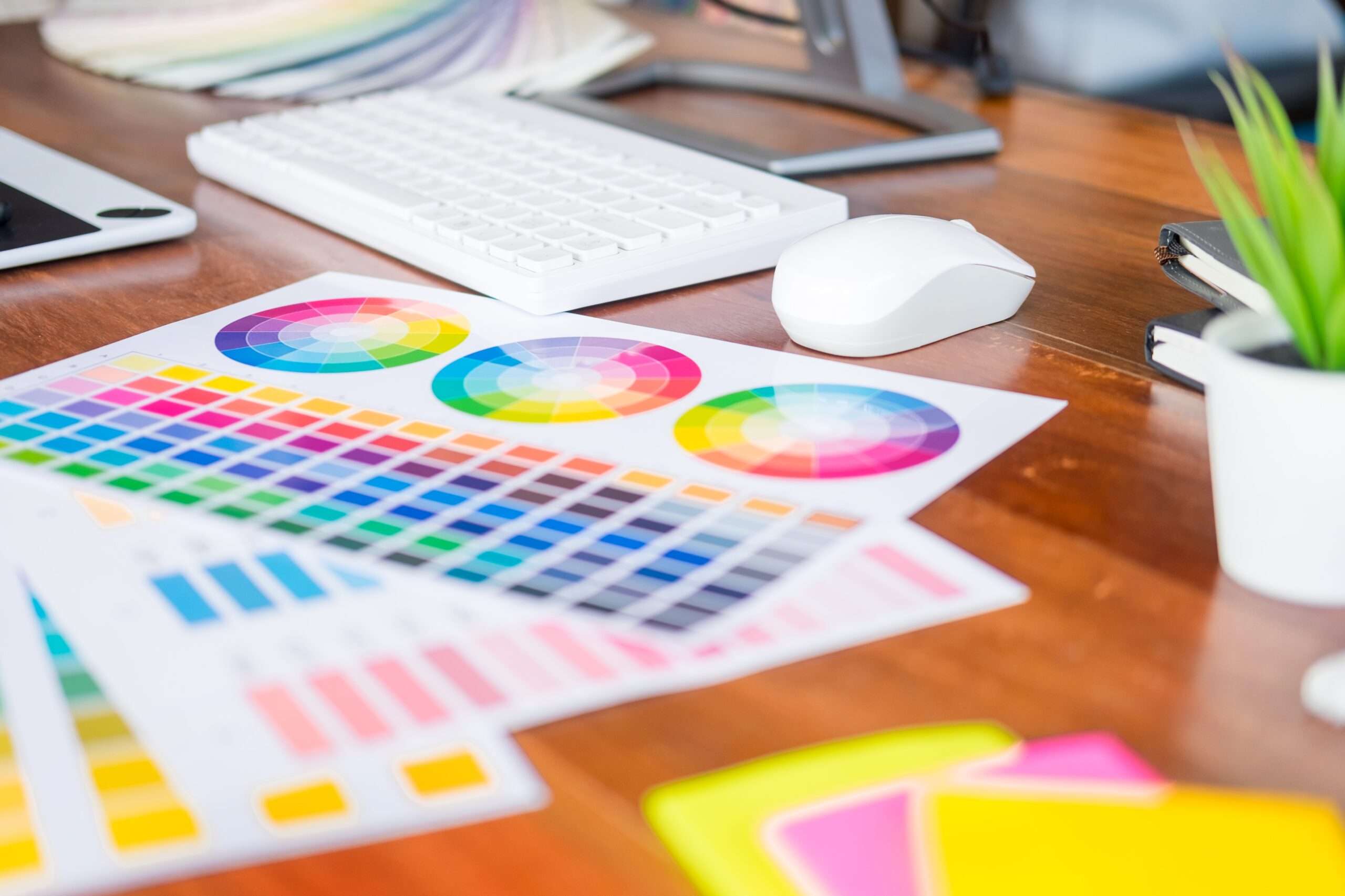
- Product photography at scale: AI tools can generate lifestyle backgrounds, placing your product in dozens of different environments without a photoshoot
- Creative concept exploration: Generate 20 visual concepts for a new campaign in an hour rather than briefing a designer and waiting a week
- Ad copy overlay variations: Tools like Canva and Adobe Express can programmatically apply different headline text overlays to the same base image
- Seasonal creative updates: Rapidly update existing creatives with seasonal visual elements without full redesign
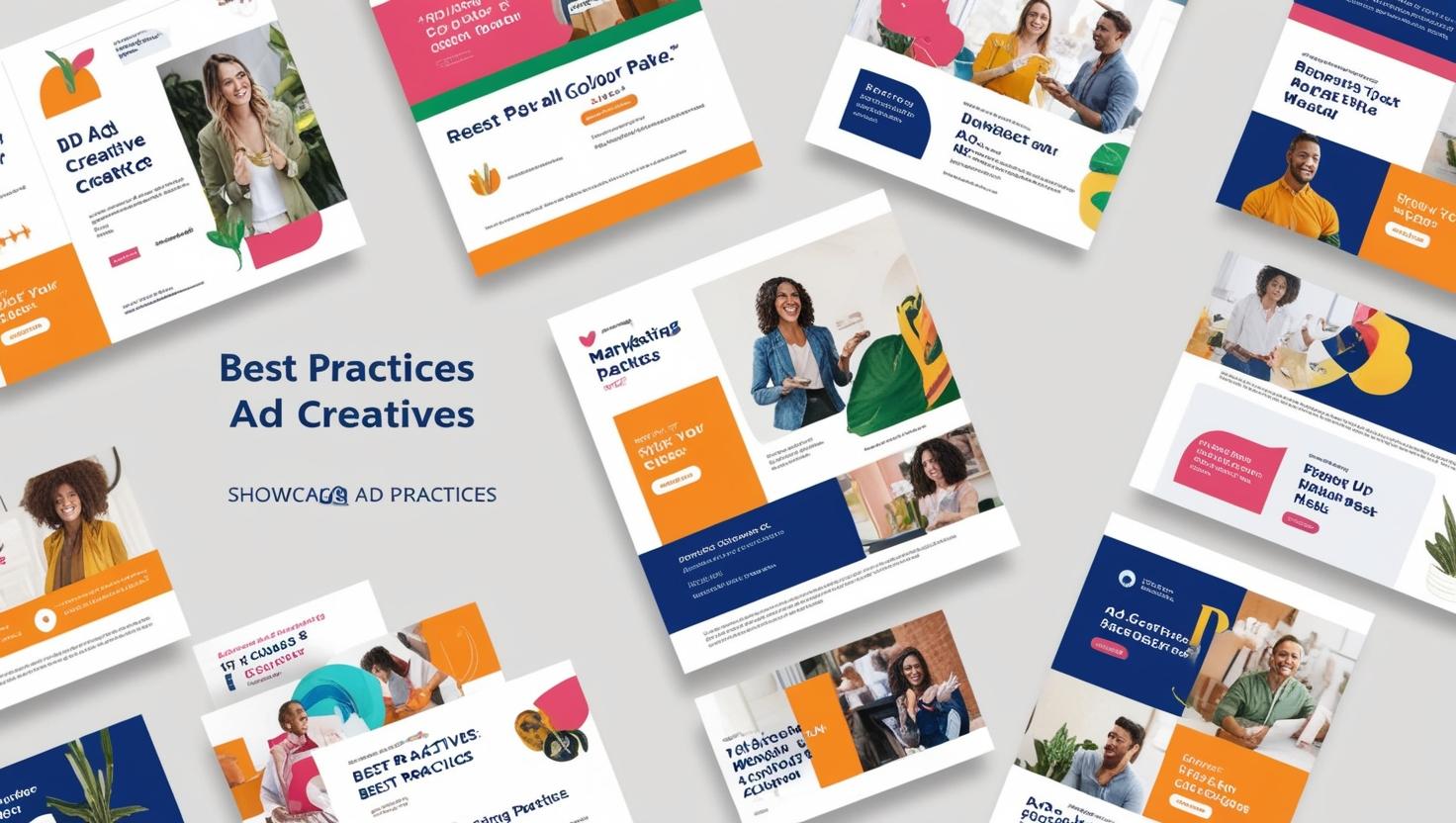
Balistro’s creative team uses AI image generation as a starting point for ideation, combining AI-generated concepts with human design expertise to produce creatives that are both fast and brand-consistent. Learn more about our creative design services.
Building an Automated A/B Testing Framework
Random creative testing produces random results. A structured testing framework produces learnings that compound over time:
The Testing Hierarchy
- Hook test (Week 1-2): Test 4-6 different opening hooks in video or first-line copy. What grabs attention? Pain point, curiosity gap, bold claim, or social proof?
- Visual format test (Week 2-3): Once you know the winning hook angle, test different visual formats — Reel vs. static image vs. carousel vs. text-based
- Offer test (Week 3-4): Test different offer structures — percentage discount vs. free shipping vs. bundle deal vs. free trial
- CTA test (Week 4-5): Test different calls to action once the creative elements are optimised
This waterfall approach isolates one variable at a time, so every test produces a learnable insight rather than ambiguous results.
Creative Performance Dashboards
Running 50-100 creative variants per month requires a system to make sense of the data. A creative performance dashboard should show:
- Creative ID and thumbnail for visual reference
- Hook type, visual format, and offer type tags for each creative
- CTR (click-through rate) — the primary indicator of creative resonance
- CPM (cost per thousand impressions) — high CPM means the algorithm is not favouring this creative
- CPA or ROAS — the ultimate conversion metric
- Frequency — high frequency means creative fatigue is setting in and the creative needs refreshing
- Date range comparisons — how performance changes over the creative’s lifespan
Balistro builds custom creative performance dashboards for clients that pull data directly from Meta and Google Ads APIs, giving creative teams and media buyers a single view of what is working.
The Creative Testing Cadence That Drives Consistent Growth
To maintain ad performance and avoid creative fatigue, high-performing brands follow a disciplined creative production calendar:
- Weekly: Review creative performance data, identify creatives approaching fatigue (rising CPM, falling CTR)
- Biweekly: Launch new creative batch (5-10 new variations based on winning patterns from previous tests)
- Monthly: Full creative audit — identify top performers, analyse patterns, brief next month’s creative themes
- Quarterly: Creative strategy review — assess whether current creative angles are still resonating or need a fresh approach
How Balistro’s Creative Team Delivers Scale with Quality
Balistro’s creative design team is built specifically to support high-velocity creative testing. We combine human design expertise with AI tools to produce more creative variations faster, while maintaining the brand consistency and quality that builds long-term brand equity.
We also build custom creative automation tools for agencies that want to offer structured creative testing as a service to multiple clients simultaneously.
Ready to Accelerate Your Creative Testing?
If your brand is still running the same 4 ad creatives and wondering why performance is plateauing, AI creative automation can transform your results.
Book a strategy call with the Balistro team and we will show you exactly how to build a creative testing system that finds winning ads faster.
Why AI and Marketing Automation Are Reshaping the Industry
Artificial intelligence and marketing automation have moved from experimental technology to essential business infrastructure. In 2026, brands using AI-powered marketing tools report 30-50% improvements in campaign efficiency, while marketing automation drives 14.5% increase in sales productivity and 12.2% reduction in marketing overhead (Source: Nucleus Research).
For Indian businesses competing in an increasingly digital marketplace, AI adoption is no longer optional — it’s a competitive necessity. From AI-powered bidding algorithms in Google and Meta Ads to automated email workflows and predictive analytics, the brands that leverage these technologies effectively are outpacing those that rely solely on manual processes.
The evolution of large language models like Claude and GPT has opened entirely new possibilities for content creation, customer service automation, and data analysis. Marketing teams that integrate these tools into their workflows are producing more content, responding faster to market changes, and making better data-driven decisions — all with leaner teams.
Implementing AI and Automation in Your Marketing Stack
- Audit Your Current Workflow: Identify repetitive, time-consuming tasks that could benefit from automation — report generation, bid management, email scheduling, social media posting, and basic customer inquiries. Prioritize tasks with the highest time-savings and lowest implementation risk.
- Start with Platform-Native AI: Before investing in third-party tools, leverage AI features built into your existing platforms — Google’s Smart Bidding, Meta’s Advantage+ campaigns, Klaviyo’s predictive analytics, and HubSpot’s AI content assistant. These require no additional investment and provide immediate value.
- Build Automated Workflows: Set up marketing automation workflows for common scenarios: lead nurturing sequences, abandoned cart recovery, post-purchase follow-ups, review requests, and re-engagement campaigns. Map out the full customer journey and automate touchpoints that don’t require human judgment.
- Integrate AI Content Tools: Use AI assistants for content creation acceleration — generating first drafts, brainstorming headlines, creating ad copy variations, and repurposing content across formats. Always review and refine AI-generated content for accuracy, brand voice, and uniqueness.
- Set Up Custom Automations: For more advanced needs, build custom automation tools that connect your marketing platforms. Use APIs to sync data between your CRM, ad platforms, and analytics tools. Automate reporting dashboards that update in real-time without manual data pulling.
AI Marketing Mistakes to Avoid
- Automating without strategy: Automation amplifies both good and bad strategies. Before automating any marketing process, ensure the underlying strategy is sound. Automating a poorly designed email sequence just sends bad emails faster.
- Over-relying on AI for content: AI-generated content without human oversight risks brand voice inconsistency, factual errors, and generic messaging. Use AI to accelerate content creation, but always have human editors review for accuracy, quality, and brand alignment.
- Ignoring the human element: Not every customer interaction should be automated. Complex inquiries, complaint resolution, and high-value relationship building require human touch. Use automation for routine tasks and free up your team for high-impact human interactions.
- Not measuring automation ROI: Track the business impact of every automation you implement — time saved, revenue generated, costs reduced. Regularly audit automated workflows to ensure they’re still performing well and haven’t become stale or irrelevant.
- Failing to maintain and update: Marketing automation requires ongoing maintenance. Algorithms change, platforms update, and market conditions shift. Review and optimize automated workflows quarterly to ensure they remain effective and aligned with current best practices.
Frequently Asked Questions
Will AI replace marketing agencies?
AI won’t replace marketing agencies, but agencies that use AI will replace those that don’t. AI handles repetitive tasks like bid optimization, basic content generation, and data analysis faster and at scale. However, strategic thinking, creative direction, brand building, and complex problem-solving still require human expertise. The most effective approach combines AI efficiency with human creativity and judgment.
What AI tools are most useful for digital marketing?
Essential AI marketing tools in 2026 include: Claude and GPT for content creation and analysis, Google’s AI-powered Smart Bidding for ad optimization, Jasper or Copy.ai for ad copywriting, Midjourney for creative assets, and platform-native AI features in Klaviyo, HubSpot, and Salesforce for automation. The best tool depends on your specific needs and existing tech stack.

How do I get started with marketing automation?
Start small with high-impact automations: set up a welcome email series for new subscribers, configure abandoned cart recovery emails, and enable Google Ads Smart Bidding. These three automations alone can significantly improve marketing performance with minimal technical complexity. Expand gradually as you see results and build confidence in the technology.
Ready to Grow Your Business?
At Balistro Consultancy, we help D2C and B2B brands achieve measurable marketing results through data-driven strategies. Whether you need Google Ads management, Facebook advertising, SEO services, or email marketing, our team of certified specialists is ready to help you grow.
Book a free consultation call to discuss your marketing goals and discover how Balistro can drive real results for your brand.
The AI Marketing Technology Stack: Building for the Future
The AI marketing technology landscape is evolving rapidly, with new tools and capabilities emerging monthly. Building an effective AI marketing stack requires strategic thinking about which tools provide genuine value versus which are hype-driven. The most impactful AI marketing tools in 2026 fall into three categories: optimization, creation, and analysis.
AI-powered optimization tools — including Google’s Smart Bidding, Meta’s Advantage+, and third-party bid management platforms — have proven their value through years of iteration. These tools leverage machine learning on massive datasets to make bidding and targeting decisions that would be impossible for human marketers to replicate at scale.
Generative AI for content creation has matured significantly, with models like Claude and GPT enabling marketing teams to produce content at unprecedented speed. The key to effective AI content creation is using these tools as accelerators rather than replacements — generating first drafts and variations that human experts then refine for accuracy, brand voice, and strategic alignment.
Custom automation tools built specifically for marketing workflows are becoming increasingly common as agencies and in-house teams seek efficiency gains. From automated reporting pipelines that pull data from multiple platforms into unified dashboards, to creative testing frameworks that systematically rotate and evaluate ad variations, custom tools provide competitive advantages that off-the-shelf solutions cannot match.
The ethical considerations of AI in marketing — including transparency about AI-generated content, data privacy in AI training, and the impact of automation on marketing employment — are important factors that responsible brands must address. Building AI marketing practices that are effective, transparent, and ethical creates long-term brand trust and regulatory resilience.