

In a rapidly evolving fashion landscape, Comet has emerged as a standout player in the Indian sneaker market. Founded in 2023, this homegrown lifestyle brand has already achieved a valuation of ₹160 crore, a testament to its unique approach and commitment to excellence. At its core, Comet is more than just a sneaker brand; it is a movement centered around stellar craftsmanship, innovation, and emotional connection with its consumers.
The Genesis of Comet: From Concept to Reality
Comet was brought to life by Utkarsh Gupta and Dishant Daryani, two visionary entrepreneurs who previously held consultant roles at Hotstar and Urban Company. Their experience in the corporate world, combined with a deep passion for sneakers, led them to create a brand that would challenge the status quo in the Indian sneaker market.
The Indian sneaker market, with a current valuation of approximately ₹21,000 crore, has been ripe for disruption. Comet seized this opportunity by crafting a brand that emphasizes quality over quantity, focusing on a limited range of products that are meticulously designed and expertly crafted. The brand’s portfolio includes four distinct silhouettes: Low, Highs, Aeon, and Slides, each catering to different preferences and styles but unified by the same dedication to craftsmanship.
To understand Comet’s approach, it’s essential to look back at the history of the sneaker industry. In 1984, Nike was in a challenging position, overshadowed by industry giants like Converse and Adidas. However, Nike’s fortunes changed dramatically when they signed a young Michael Jordan and launched the Air Jordan line. This marked the beginning of a global sneaker culture that emphasized not just functionality but also style and identity.
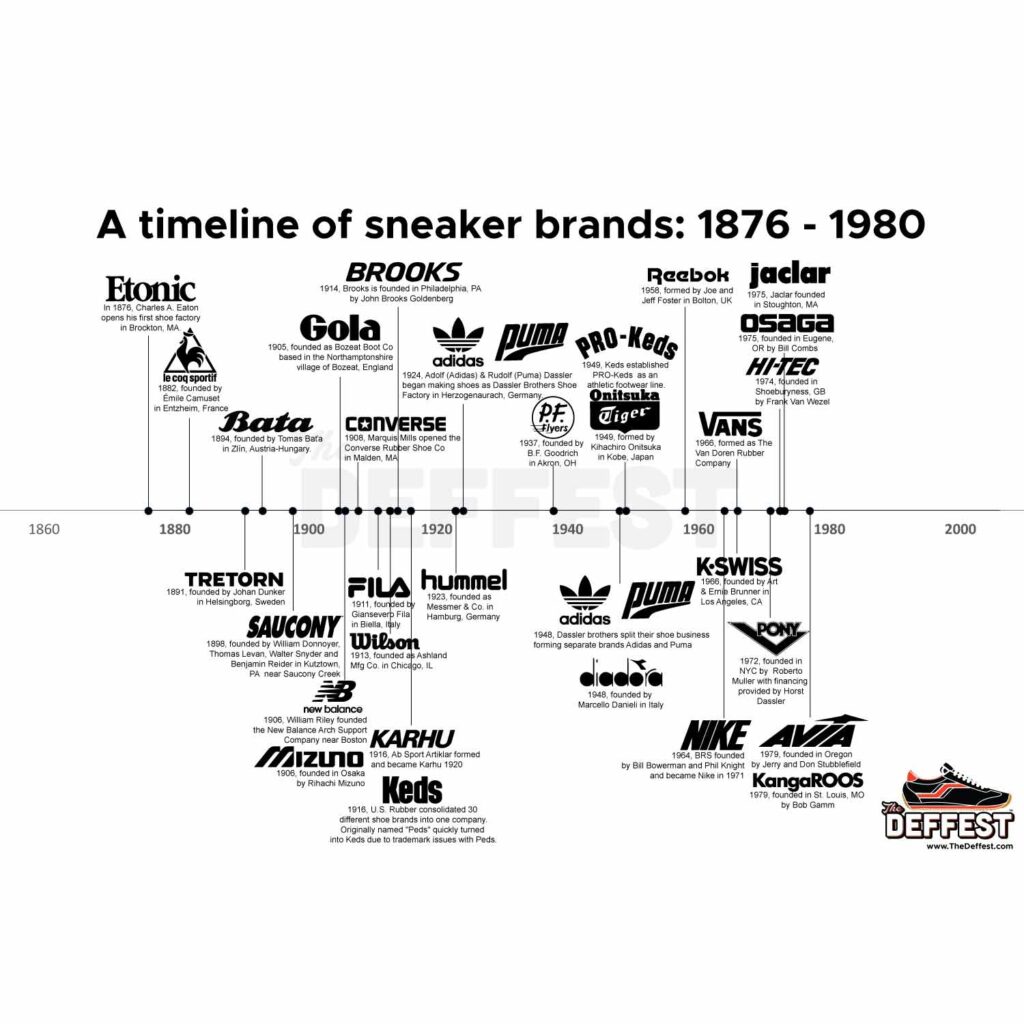
Fast forward to the early 2000s, and the concept of “Drop Culture” began to take shape. This strategy involves creating a buzz around a product by limiting its availability, thereby generating high demand due to its scarcity. Comet has smartly adopted this approach, aligning itself with the desires of today’s consumers who seek exclusivity and uniqueness in their fashion choices.
Strategic Simplicity: The Comet Approach
Comet’s business model is built on three foundational strategies that have driven its early success:
No Offline Stores: Comet’s decision to forgo brick-and-mortar stores and operate exclusively online is a strategic move that reflects the changing dynamics of retail. By focusing on their digital presence, Comet can reach a broader audience, streamline operations, and reduce overhead costs. This online-only model also allows the brand to be agile, quickly adapting to trends and consumer preferences without the constraints of physical retail.
One SKU at a Time: Unlike brands that release multiple products simultaneously, Comet adopts a focused approach by launching one SKU (Stock Keeping Unit) at a time. This allows the brand to concentrate all its resources on perfecting a single product, ensuring it meets the highest standards of quality and resonates deeply with its target audience. This approach not only enhances product quality but also simplifies inventory management and training processes, allowing the brand to operate more efficiently.
Pure D2C (Direct-to-Consumer): In an era where direct-to-consumer (D2C) models are gaining traction, Comet has embraced this strategy wholeheartedly. By bypassing traditional retail channels and selling directly to customers, Comet maintains full control over the customer experience. This direct engagement with consumers allows the brand to build stronger relationships, gather valuable feedback, and create personalized experiences that resonate with their audience.

Building a Cult Following: The Power of Brand Identity
At the heart of Comet’s strategy is its commitment to building a cult-like following. This goes beyond simply selling sneakers; it’s about creating a brand that people feel connected to on a deeper level. Comet achieves this by ensuring that every product is a reflection of the brand’s core values—quality, comfort, and style.
One of Comet’s key strategies is its focus on continuous improvement. The brand doesn’t flood the market with numerous products each year. Instead, they carefully select existing designs and introduce them in new, exciting colors. This approach keeps the brand’s offerings fresh while maintaining the integrity and identity of the original designs. By focusing on comfort, fit, and pricing, Comet ensures that its products meet the needs of its consumers while also providing a premium experience.

Selling a Story: The Emotional Connection

For Comet, the process of creating brand love goes beyond just marketing. It’s about crafting an experience that makes consumers feel like they are part of something special. By integrating storytelling into every aspect of the brand—from product design to marketing campaigns—Comet creates a unique identity that stands out in a crowded market.
For Comet, the process of creating brand love goes beyond just marketing. It’s about crafting an experience that makes consumers feel like they are part of something special. By integrating storytelling into every aspect of the brand—from product design to marketing campaigns—Comet creates a unique identity that stands out in a crowded market.
The Future of Comet: Crafting a Legacy
As Comet continues to grow, the brand remains committed to its founding principles of quality, innovation, and emotional connection. The success of Comet is not just measured by its valuation or market share, but by the community it has built—a community of sneaker enthusiasts who share a common love for craftsmanship, style, and storytelling.
In the years to come, Comet aims to expand its product offerings while staying true to its core philosophy. By continuing to innovate, engage with consumers, and maintain its focus on quality, Comet is poised to become a leading name in the Indian sneaker market. As the brand crafts its legacy, it will undoubtedly leave an indelible mark on the industry, setting new standards for what a homegrown brand can achieve.
Comet is not just about sneakers; it’s about creating a movement—a movement that celebrates individuality, craftsmanship, and the power of a well-told story.
Ready to Grow Your Business?
Book a free 30-minute strategy call with Balistro. We’ll audit your marketing and show you exactly where your biggest growth opportunities are.
Book a Free Strategy Call →Comet’s Digital Marketing Strategy: What’s Driving the Buzz
What truly sets Comet apart is not just the product — it’s the brand’s precision in digital marketing. In a market flooded with international giants like Nike, Adidas, and New Balance, Comet has carved out mindshare through a combination of community-first storytelling, influencer marketing, and smart use of scarcity.
1. Instagram-First Brand Building
Comet’s Instagram feed reads more like a lifestyle publication than a shoe catalogue. High-production reels, celebrity collabs, and a carefully maintained aesthetic have built a following that buys into the brand identity before they even buy the shoe. This is textbook D2C brand building — the product is almost secondary to the story.
2. Influencer Marketing with Earned Credibility
Rather than paying mass influencers for generic shoutouts, Comet seeded product with genuine sneakerheads, style creators, and athletes who actually wear the brand. The result: organic posts that feel authentic because they are. This earned-media approach dramatically lowers CAC (customer acquisition cost) while generating higher trust signals with new audiences.
3. Drop Culture as a Performance Marketing Lever
Every Comet drop is a marketing event in itself. Limited stock, announced launch windows, and waitlist mechanics drive urgency and social conversation simultaneously. From a performance marketing perspective, this creates natural conversion spikes — email lists, WhatsApp groups, and social DMs are all used to amplify launch day traffic without heavy paid media spend.
The D2C Playbook Comet is Running — And What Brands Can Learn
As a digital marketing consultancy working with D2C brands, we at Balistro have observed how brands like Comet execute a repeatable growth formula. Here are the core principles:
- Niche before scale: Comet didn’t try to sell to everyone. They targeted India’s premium sneaker enthusiast segment first, built loyalty there, and then expanded. This creates a defensible moat that paid ads alone can’t replicate.
- Story sells, product delivers: The brand narrative (Indian craftsmanship meeting global sneaker culture) is communicated in every touchpoint — from packaging to post-purchase emails. Consistency builds trust faster than any ad.
- Own your customer data: By selling D2C through their own website rather than marketplaces, Comet retains full customer data — purchase history, browsing behaviour, return patterns. This powers smarter retargeting and lifecycle marketing.
- Scarcity is a media strategy: When demand consistently exceeds supply, customers become brand ambassadors just by talking about whether they “got the drop.” Every sellout is free press.
What the Numbers Tell Us About Comet’s Market Opportunity
The Indian sneaker market, currently valued at ₹21,000 crore, is projected to grow at 8–10% CAGR over the next five years. Premium and performance segments are growing fastest as India’s middle class increasingly prioritises branded lifestyle products. Comet is positioned directly at the intersection of these trends:
- ₹160 crore valuation achieved within 2 years of launch
- 4 distinct product silhouettes with consistent sell-through rates
- Presence in major Indian metros with growing Tier 2 city demand
- Repeat purchase rate significantly higher than industry average — a direct result of quality and brand loyalty
Challenges Ahead: What Could Slow Comet’s Trajectory
No brand story is without friction. As Comet scales, it will face the classic D2C dilemma: how to grow without diluting the exclusivity that made it desirable. Going too broad too fast risks alienating the core audience. Taking on retail distribution means sharing margins and potentially losing the direct customer relationship that powers their data flywheel.
Additionally, the premium Indian sneaker space is attracting global and local competition at speed. Brands like Stepathlon, Soleplay, and newly-funded D2C entrants are all competing for the same aspirational consumer. Comet’s ability to keep innovating on product while maintaining marketing quality will determine whether the brand remains a category leader or becomes one of many.
Final Thoughts: Comet as a Case Study in Modern Brand Building
Comet is not just a sneaker brand success story. It is a masterclass in how modern D2C brands should be built — starting with a clear point of view, telling a compelling story, using digital channels to build community before conversion, and letting product quality do the heavy lifting for retention.
For brands looking to replicate this playbook — whether in fashion, beauty, food, or any consumer category — the framework is transferable: niche deeply, tell your story consistently, own your customer relationship, and create demand through scarcity rather than chasing it with discounts.
At Balistro Consultancy, we help D2C and B2B brands build growth engines using paid media, SEO, and data-driven marketing strategies. If you want to apply the same principles that made brands like Comet successful to your own business, book a free strategy call with our team.